
Bahía Jiquilisco Complex
Location
Usulután, El Salvador
Category
Regional
Basis for Designation
3,47% of the estimated global population of Wilson’s Plover (Anarhynchus wilsonia).
Significant Specie
Wilson’s Plover (Anarhynchus wilsonia)
Size
156.906 acres
Date Designated
June 2026
Site Owner
El Salvador’s Ministry of Environment and Natural Resources (MARN).
Site Partners
Fundación Ecológica SalvaNATURA
Ministry of Environment and Natural Resources (MARN)
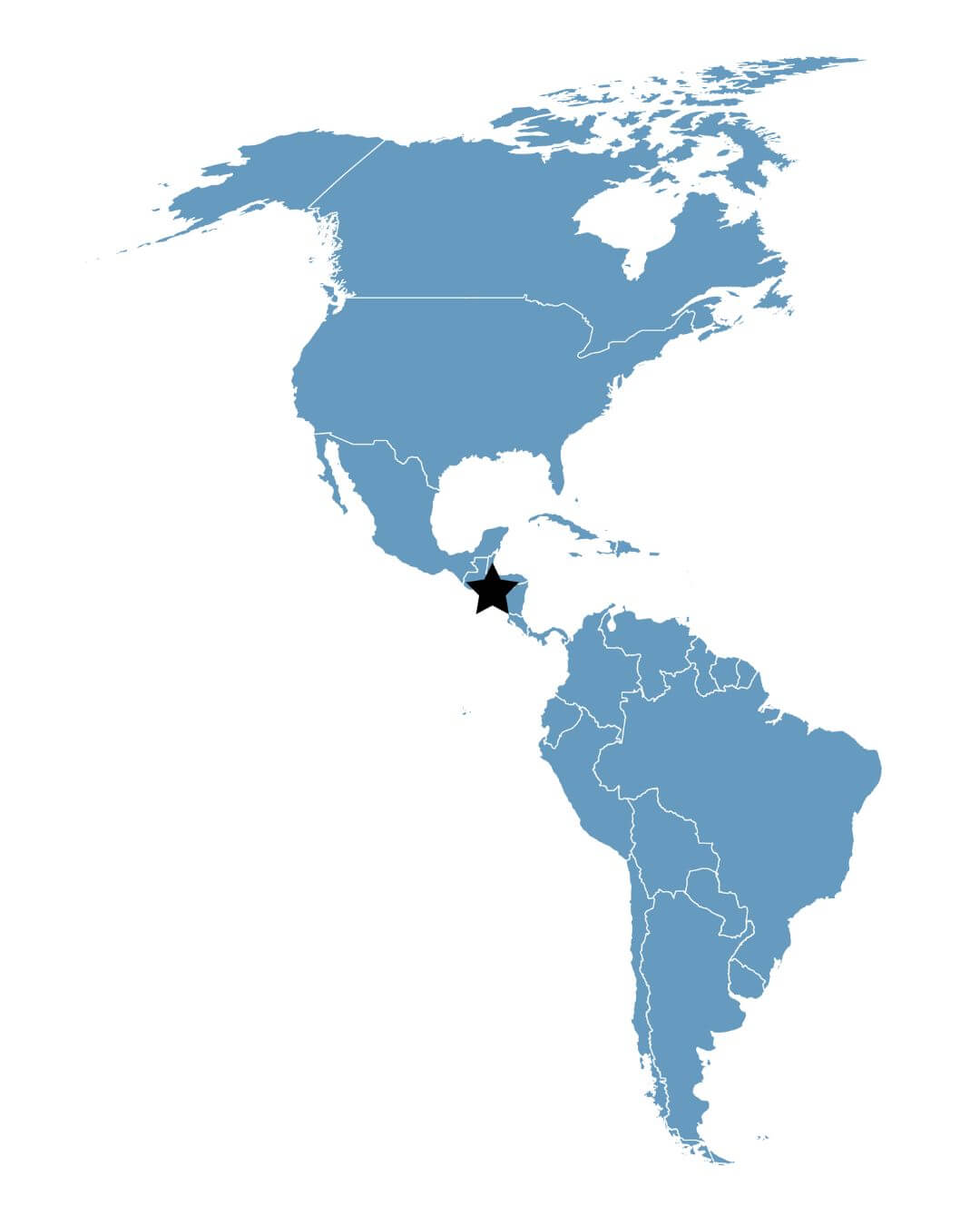
Context Map
Overview
The Bahía Jiquilisco Complex is in the department of Usulután on the Pacific coast of El Salvador and encompasses approximately 156,906 acres of coastal wetlands. The site includes an extensive network of mangrove forests, estuaries, tidal channels, saltmarshes, sandy beaches, and intertidal flats, forming one of the most important coastal and marine ecosystems in Central America.
The site is part of the Bahía de Jiquilisco Ramsar Site, designated in 2005, and is included within a network of protected areas managed by El Salvador’s Ministry of Environment and Natural Resources (MARN). The bay contains the country’s largest mangrove ecosystem and is recognized as a priority area for biodiversity conservation and the maintenance of ecosystem services that support local communities.
Importance for shorebirds
The Bahía Jiquilisco Complex is a key site for migratory and resident shorebirds along the Pacific coast of Central America. Surveys conducted through the Central American Waterbird Program, the Migratory Shorebird Project, and several conservation organizations have consistently documented significant concentrations of shorebirds throughout the wetland.
The site qualifies for designation as a Regional WHSRN Site based on its importance for the Wilson’s Plover (Anarhynchus wilsonia). In October 2022, surveys recorded 1,015 individuals, representing 3,47% of the estimated global population of the species. More recent surveys documented approximately 800 individuals on Isla Pajarito alone, confirming the site’s continued importance for Wilson’s Plover.
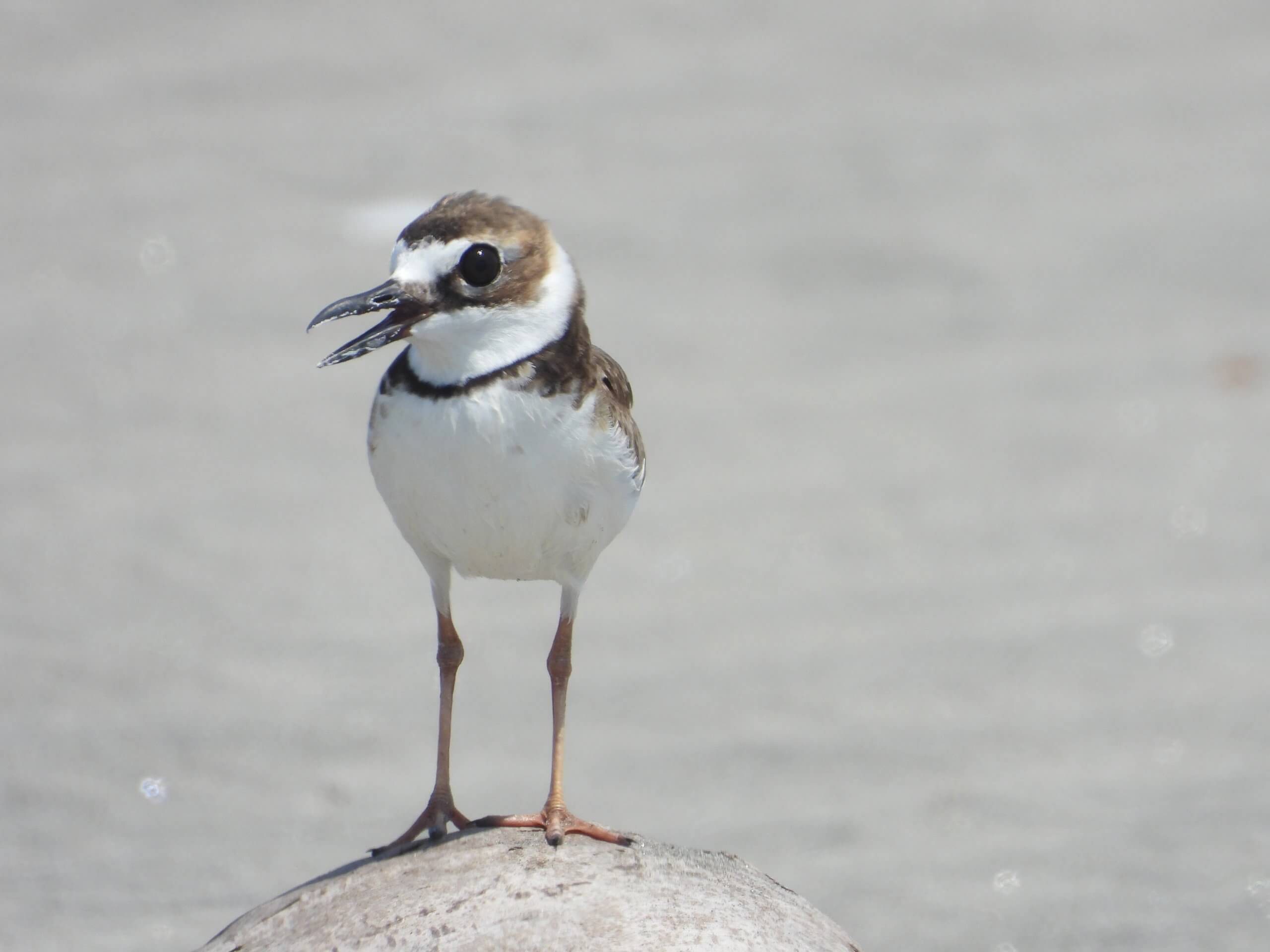
Bahía Jiquilisco supports exceptional biological diversity. Photo: Salvadora Morales
Importance for other wildlife
Bahía Jiquilisco supports exceptional biological diversity. Its approximately 47,550 acres of mangrove forests provide habitat for numerous plant and animal species of regional and global conservation importance. Notably, the site supports the only known breeding population of Geoffroy’s Spider Monkey (Ateles geoffroyi) in El Salvador.
The site also hosts the most important nesting colony for the Hawksbill Sea Turtle (Eretmochelys imbricata) in the eastern Pacific. This Critically Endangered species nests alongside Green Sea Turtle (Chelonia agassizii), Olive Ridley Sea Turtle (Lepidochelys olivacea), and Leatherback Sea Turtle (Dermochelys coriacea). Bird species of conservation interest include the Crane Hawk (Geranospiza caerulescens) and the Yellow-naped Amazon (Amazona auropalliata).
Local community
Communities surrounding Bahía Jiquilisco maintain a close relationship with the estuarine ecosystem, relying primarily on artisanal fisheries and the sustainable use of estuarine resources. Community organizations, government agencies, and non-governmental organizations are actively engaged in environmental education, habitat restoration, and wetland conservation initiatives.
The site’s designation as a WHSRN site strengthens opportunities for community engagement while increasing international recognition of local conservation efforts.
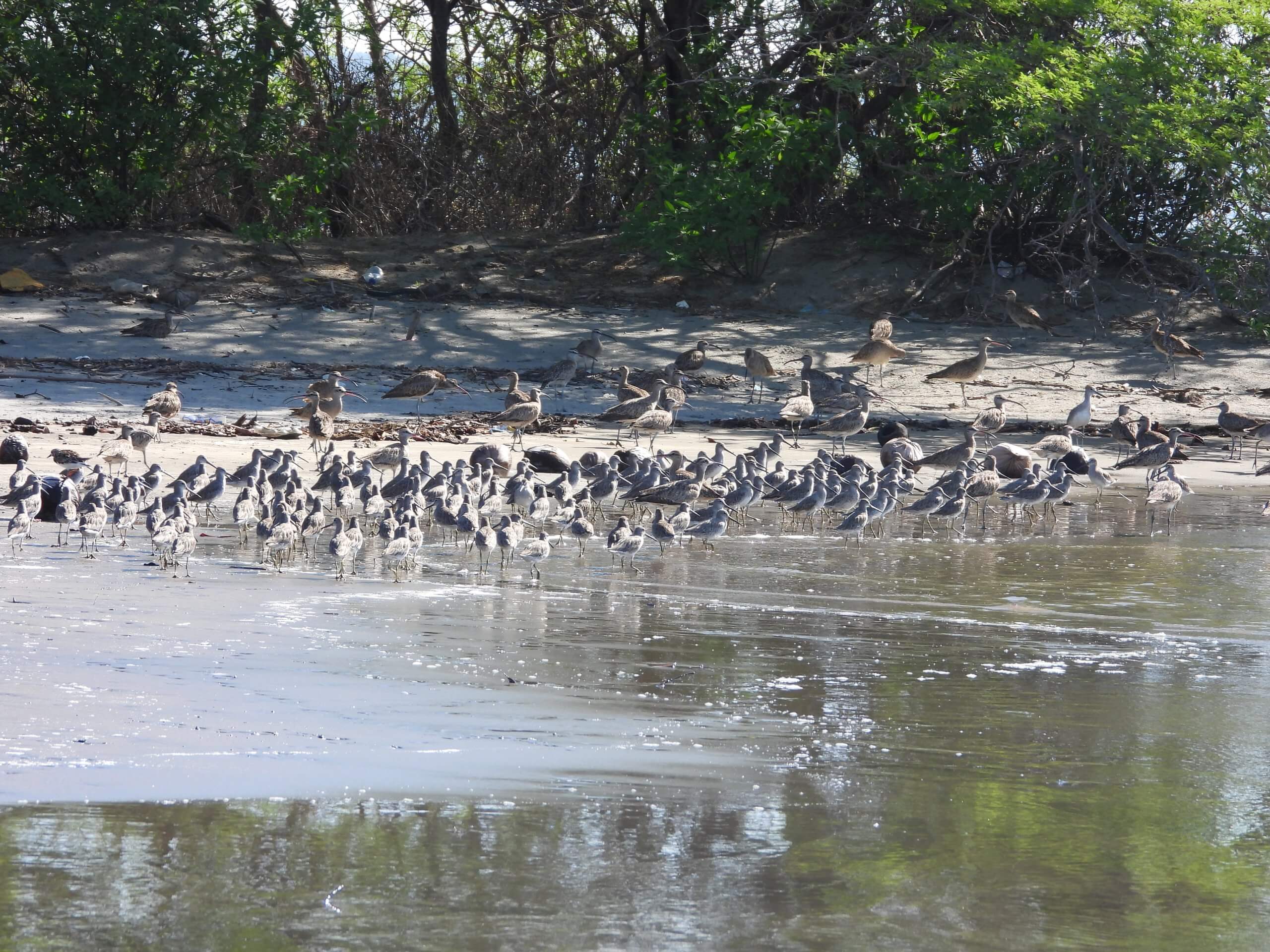
The complex is managed under conservation plans for its principal protected areas Photo: Salvadora Morales
Threats and site management
The primary threats to the site include the expansion of productive activities in coastal areas, hydrological alterations, infrastructure development, and the impacts of climate change, including sea-level rise and increasingly frequent extreme weather events. Despite these pressures, the site continues to support significant concentrations of shorebirds and other species of conservation concern.
The complex is managed under conservation plans for its principal protected areas, including Bahía de Jiquilisco Natural Area and Isla San Sebastián Natural Area. These management plans are currently being updated, providing an opportunity to further strengthen shorebird conservation and the protection of the site’s rich biodiversity.