

Originally published on manomet.org on July 10.
What do a real estate development in Mexico, a golf community in Chile, and a salt production company in Ecuador have in common? All three—activities that would typically be considered threats to shorebirds—have become active partners in their conservation.
At Serena Golf, in Chile’s Coquimbo Bay, residents monitor the nests of the American Oystercatcher (Haematopus palliatus pitanay) and contribute resources to maintain protective fencing around nesting areas. At Ecuasal, in Ecuador, salt production coexists with more than 20,000 shorebirds each year, including nearly 5% of the global population of the Wilson’s Phalarope (Phalaropus tricolor). Farther north, in Todos Santos Bay, Mexico, a privately managed beach concession now protects the breeding success of more than 200 Snowy Plovers (Charadrius nivosus) each nesting season.
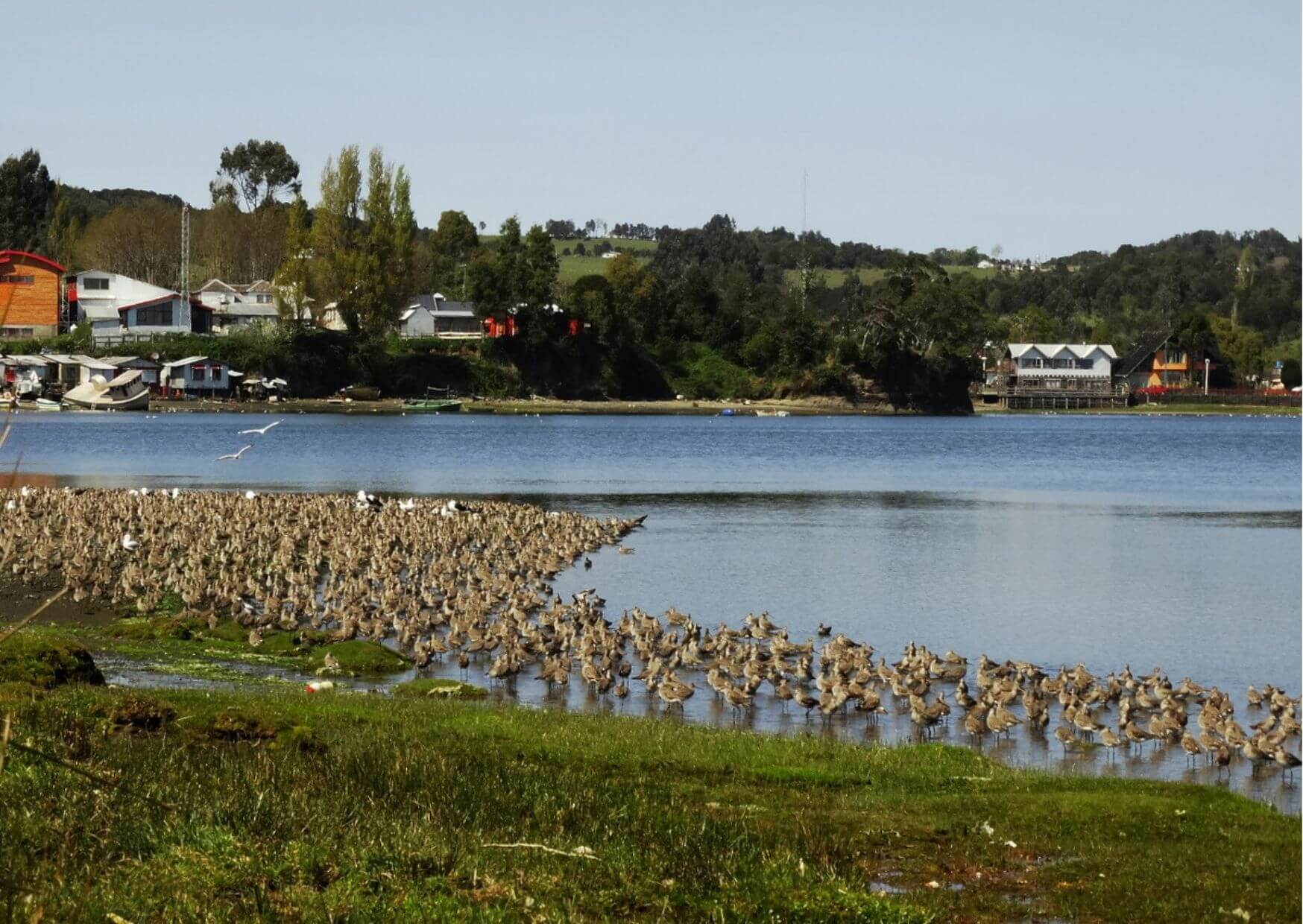
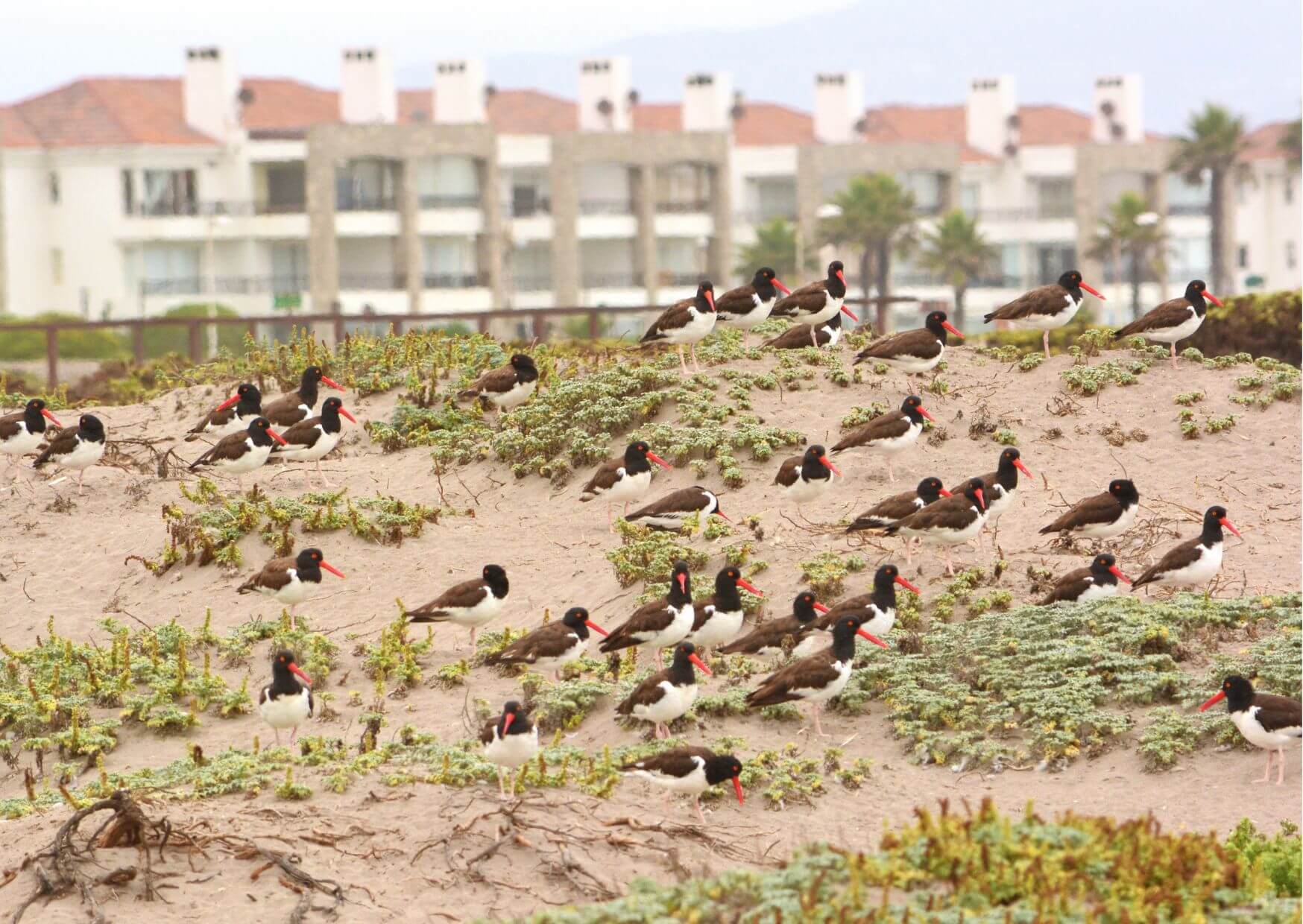
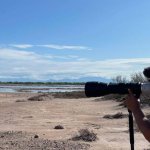
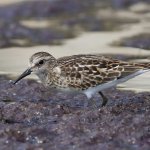
Left: Curaco de Vélez Bay Nature Sanctuary. Photo: Fundación Conservación Marina. Right: American Oystercatcher (Pitanay subspecies) on the dunes of Serena Golf. Photo: Geraldine Holtmann.
These are just a few of the examples featured in a new publication by Manomet Conservation Sciences and the Executive Office of the Western Hemisphere Shorebird Reserve Network (WHSRN): Integrating Local, National, and Flyway Scales for Shorebird Conservation in the Pacific Americas Flyway: Case Studies.
Prepared by Diego Luna Quevedo, Policy and Governance Specialist, and Jeisson Andrés Zamudio, Pacific Coordinator for South America, the publication examines three case studies from WHSRN sites in Mexico, Chile, and Ecuador. Together, they demonstrate how local communities, the private sector, civil society organizations, and governments can work together across multiple scales to achieve shared conservation goals.
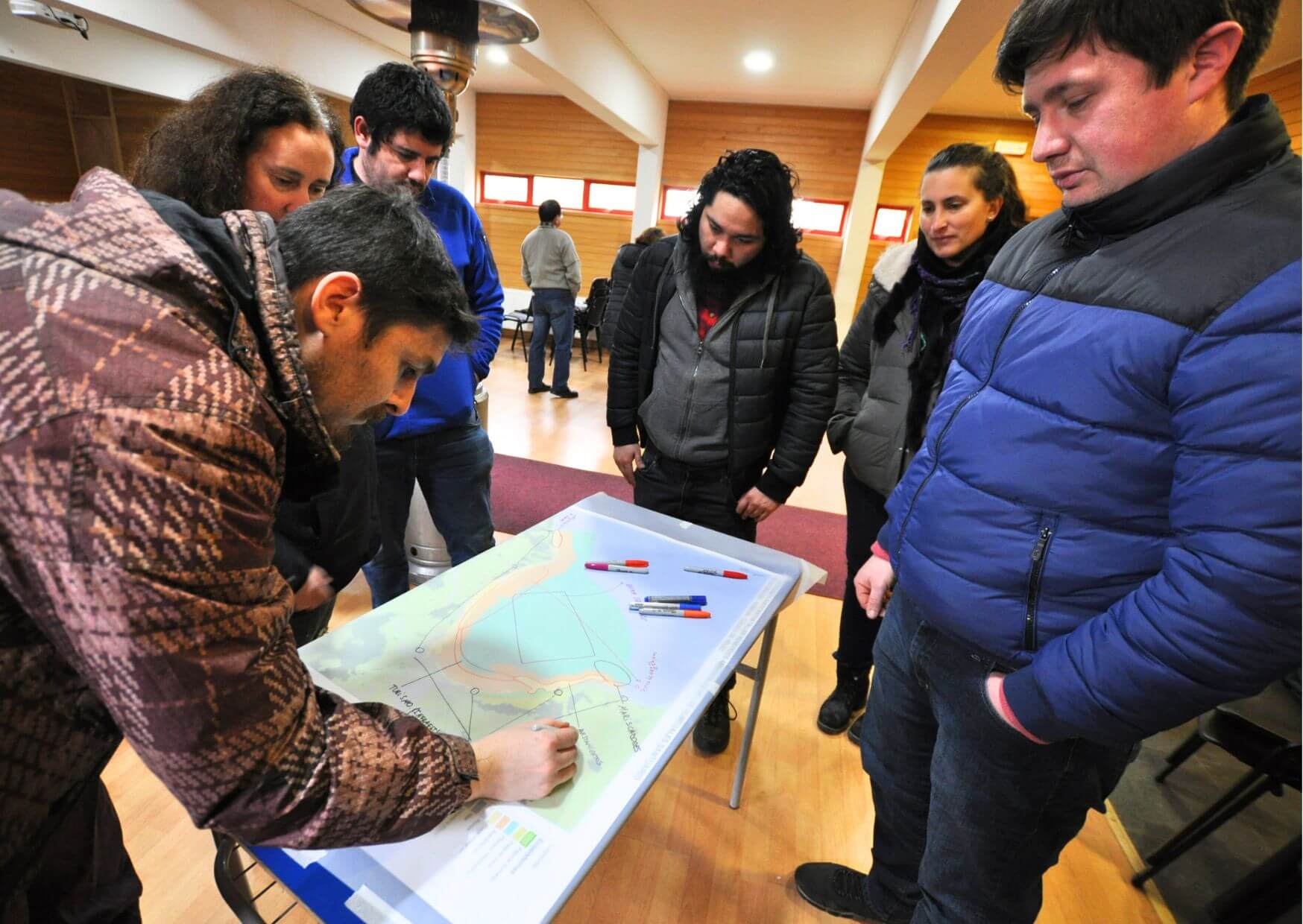
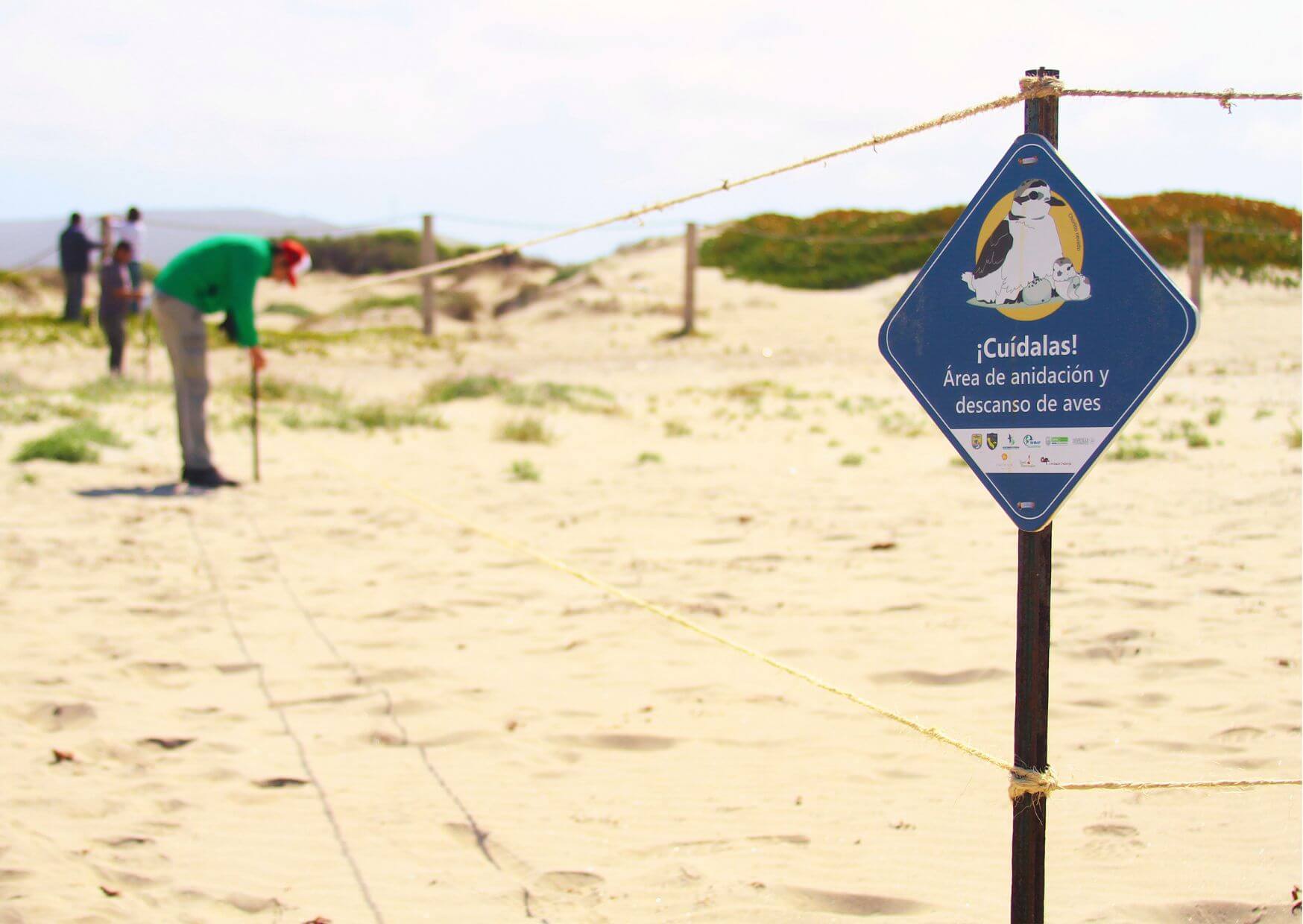
Left: Sanctuary Management Plan Process. Photo: Fundación Conservación Marina. Right: Todos Santos Bay, Mexico. Photo: Terra Peninsular.
The publication includes three case studies:
- Securing Hudsonian Whimbrel Wintering Habitat in Curaco de Vélez Bay, Eastern Chiloé Wetlands WHSRN Site, Chile.
- Real Estate Development that Integrates Shorebird Conservation: Pilot initiatives in Mexico and Chile.
- Salt Production and Shorebird Conservation at the Ecuasal Artificial Ponds WHSRN Site, Ecuador.
In Curaco de Vélez, on Chiloé Island (an archipelago in southern Chile), conservation efforts over the past decade have led to the official designation of a protected area that provides critical wintering habitat for the Hudsonian Godwit (Limosa haemastica). This achievement was made possible by establishing a local management committee, implementing a management plan, assessing ecosystem services, and long-term monitoring of a population of approximately 5,000 Hudsonian Godwits.
Beyond documenting these initiatives, the publication highlights key success factors, lessons learned, and enabling conditions that can inform future conservation efforts. These include strong local governance, cross-sector collaboration, science-based decision-making, and sustained long-term commitment.
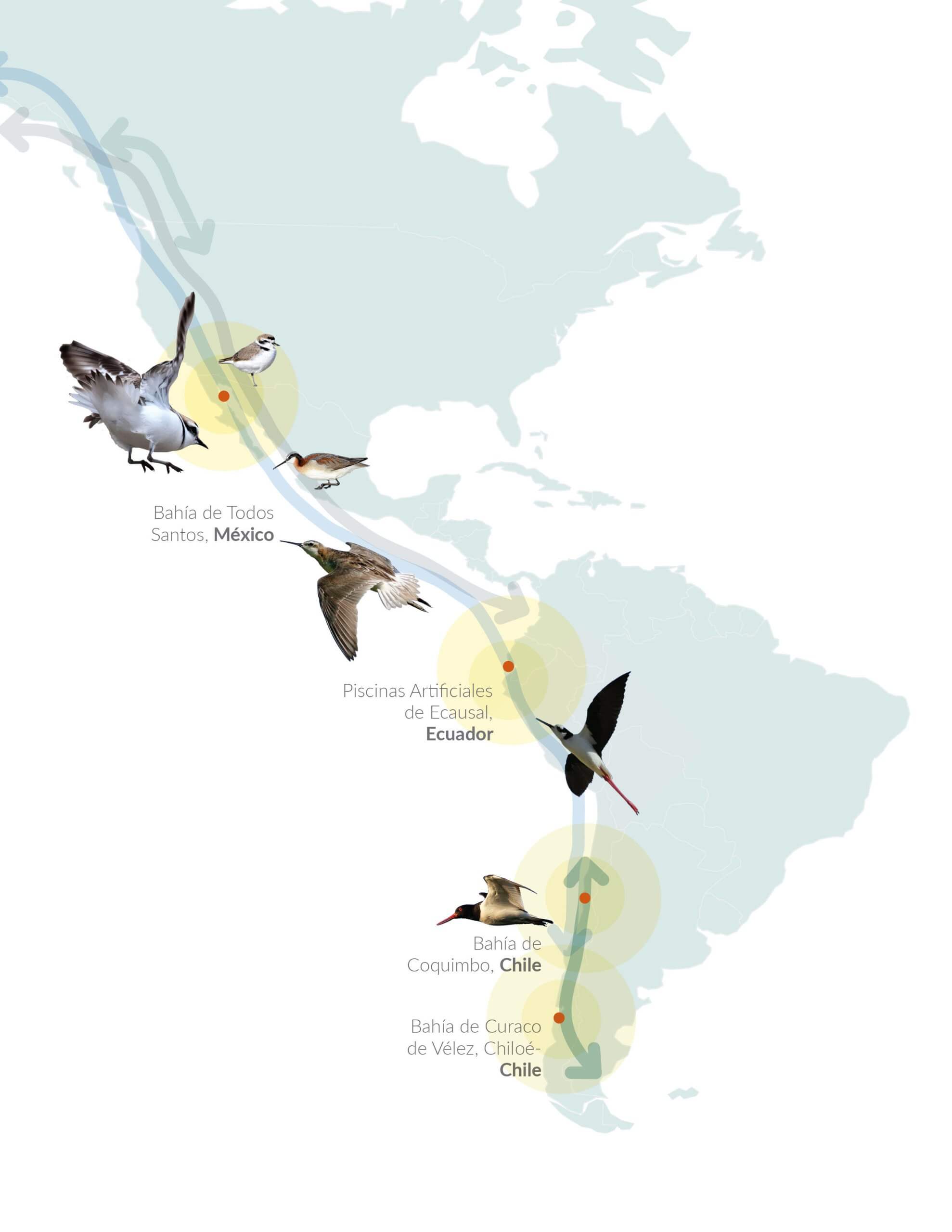
The Spanish version of the publication is available for download: Case Studies | Integrating Local, National, and Flyway Scales for Shorebird Conservation in the Pacific Americas Flyway.