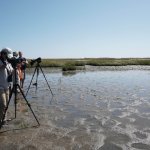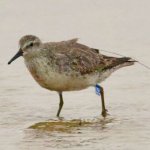


On the northern coast of Chile, where seasonal wetlands intertwine with dunes and intertidal zones, Abraham Homero Olivares Araos leads a project that seeks to do more than conserve: it aims to engage, empower, and educate. Thanks to support from the Manomet Small Grants Program, his initiative, “Design and Implementation of a Monitoring Scheme and Promotion of the Tawny-throated Dotterel Oreopholus ruficollis ruficollis,” has begun setting a precedent at the WHSRN site Las Salinas de Huentelauquén, in the Coquimbo Region.
Thirty submissions from across Latin America and the Caribbean were received during the first call; many of them aligned with the selection criteria. Choosing only a few projects to receive Manomet Small Grants was not easy, and Abraham’s proposal was one of the four selected in 2023. Abraham, a Natural Resources Conservation Engineer with a diploma in Applied Geomatics, has been an active member of the Chilean Network of Bird and Wildlife Observers (ROC) and now works in the field promoting the conservation of the Tawny-throated Dotterel as a flagship species.
“This program allowed us to highlight the value of a key ecosystem for migratory and resident birds. We were able to engage local stakeholders such as the Huentelauquén Agricultural Community and the Juan Antonio Ríos School, which has shown strong interest in local biodiversity,” he explains.
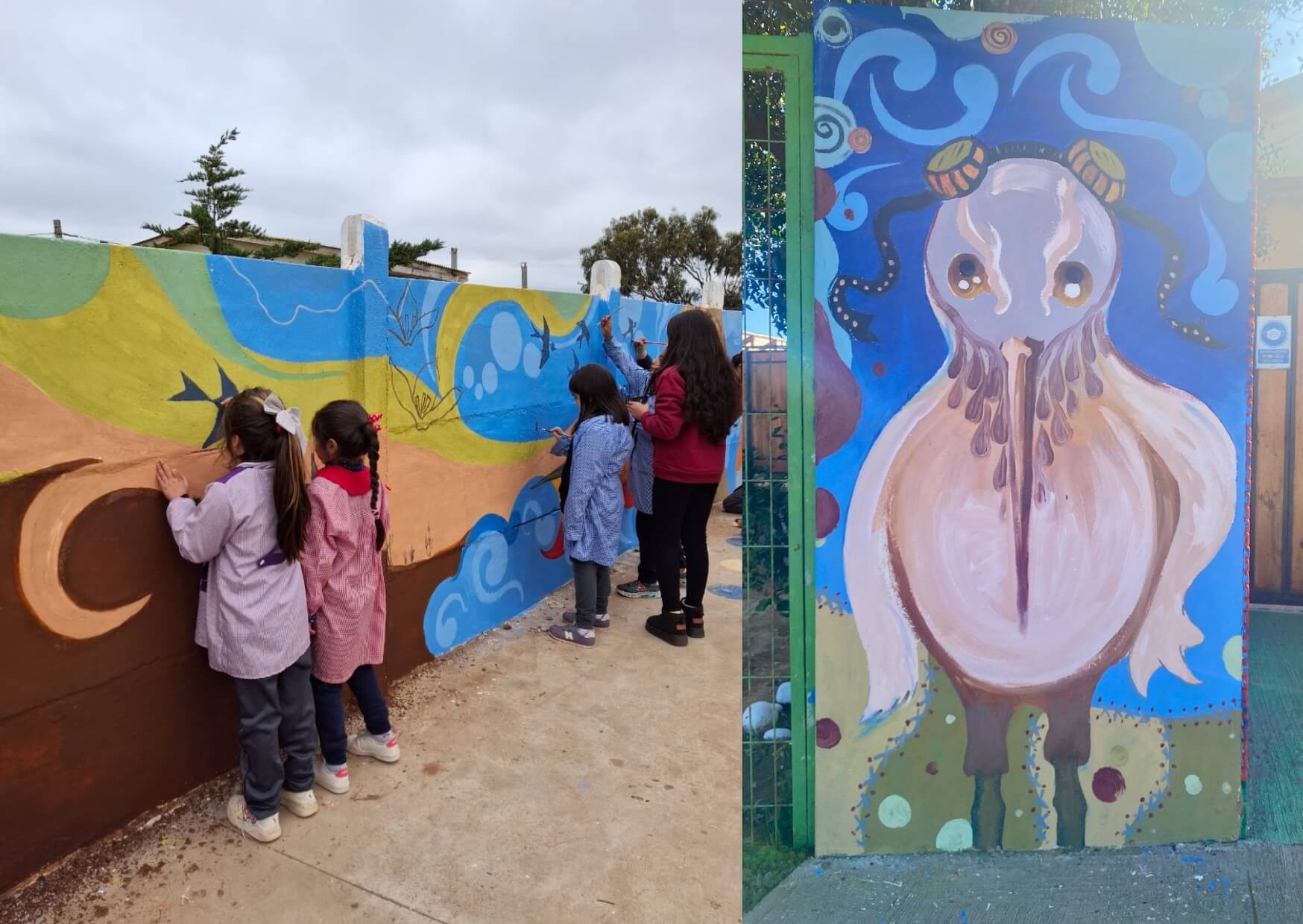
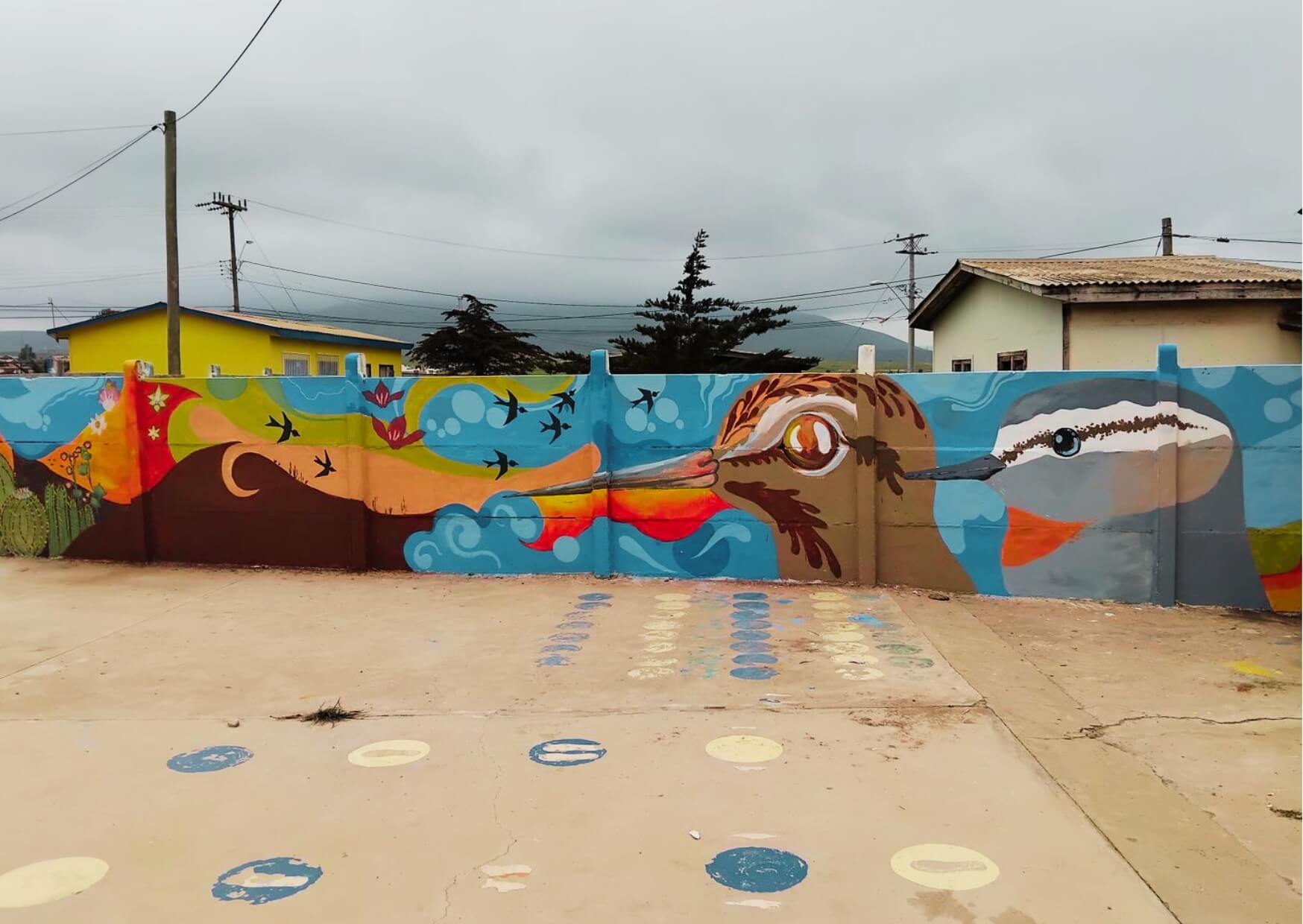
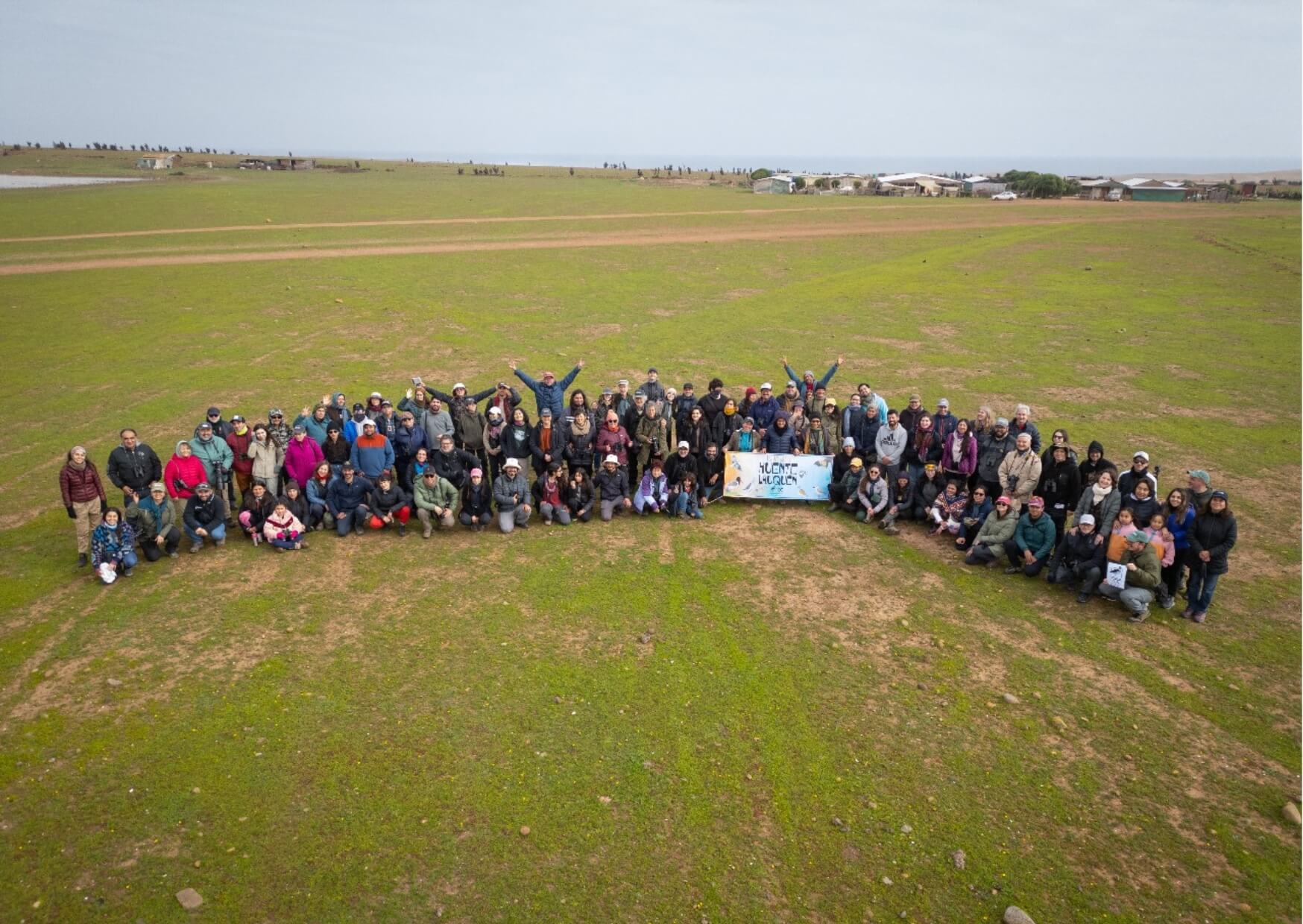
The first Huentelauquén Bird Festival was an unprecedented milestone for the area.
One of the project’s most notable achievements was the organization of the 1st Huentelauquén Bird Festival in June 2024, an unprecedented milestone for the area. Activities took place in key community spaces such as the Juan Antonio Ríos School, the Las Ardillitas preschool, and the Huentelauquén library, strengthening the connection between conservation and education. This was complemented by the implementation of the Shorebird Curriculum during the Wetlands Academy in 2024 and 2025, a joint initiative facilitated by the Center for Advanced Studies in Arid Zones (CEAZA), which provided training not only for students, but also for conservation professionals, volunteers, and teachers.
The project has had a meaningful impact on both Abraham’s personal and professional journey. “Before, I carried out this work entirely as a volunteer, without opportunities for recognition or financial support. Thanks to the Manomet Small Grants Program, I was not only able to professionalize my work but also strengthen partnerships with other organizations and develop tangible tools for local conservation,” Abraham explains.
His message to future applicants is both clear and encouraging: “In Chile, funding opportunities for initiatives like this are limited and highly bureaucratic. The Manomet Small Grants Program allows you to focus on what truly matters: implementing actions, educating, monitoring, and creating impact. It has been a transformative experience that has given us a solid foundation to continue working for the conservation of the Tawny-throated Dotterel and the coastal ecosystems it depends on.”
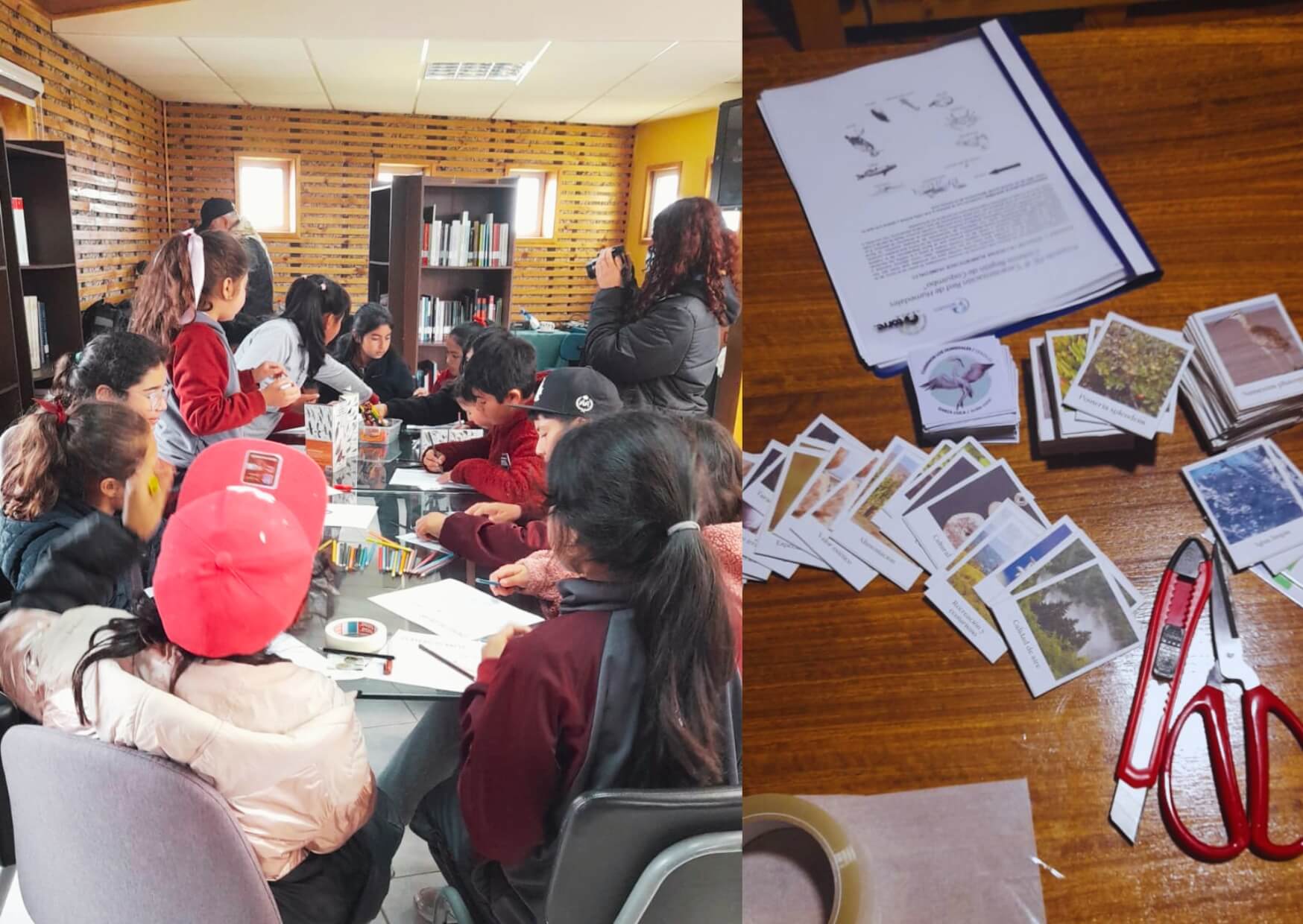
Activities took place in key community spaces, thereby strengthening the connection between conservation and education.
The 2026 call for applications for the Manomet Small Grants for Conservation of Neotropical Shorebirds is now open. The deadline for submitting applications is May 30, 2026, at 23:59 (GMT-5). The program was created as a mechanism to support research and conservation actions led by early-career conservationists and researchers. The Small Grants Program focuses on measurable benefits for shorebird populations and species restricted to the Neotropics (Latin America and the Caribbean), with an emphasis on sites within the Western Hemisphere Shorebird Reserve Network (WHSRN) and/or sites that may qualify for WHSRN status. To learn more about the Small Grants Program and other selected projects, visit our website.
Photos: © Abraham Olivares