
The Convention on the Conservation of Migratory Species of Wild Animals (CMS) is an intergovernmental treaty under the aegis of the United Nations Environment Programme (UNEP) that provides a global platform for the conservation of migratory species and their habitats. CMS brings together the States through which migratory animals pass and establishes the legal framework for internationally coordinated conservation measures along their migration routes. The decisions adopted during the Fifteenth Meeting of the Conference of the Parties (COP15) to CMS, held from March 23–29 in Campo Grande, Brazil, open new opportunities for shorebird conservation across the Americas.
The inclusion of new species in Appendix I of the Convention (Lesser Yellowlegs Tringa flavipes, Hudsonian Godwit Limosa haemastica, and Hudsonian Whimbrel Numenius hudsonicus), together with the adoption of a Concerted Action between Chile and Argentina to recover the Magellanic Plover Pluvianellus socialis, not only strengthens international commitments but also reshapes the role of the territories on which these species depend for survival.
CMS decisions enable the alignment of policies, monitoring efforts, and conservation measures across countries, fostering an unprecedented convergence between binding international instruments and voluntary cooperation networks. One such network, the Western Hemisphere Shorebird Reserve Network (WHSRN or RHRAP, as it is known in Spanish), serves as a vehicle for implementing action plans derived from Appendix I, as well as measures associated with Concerted Actions.
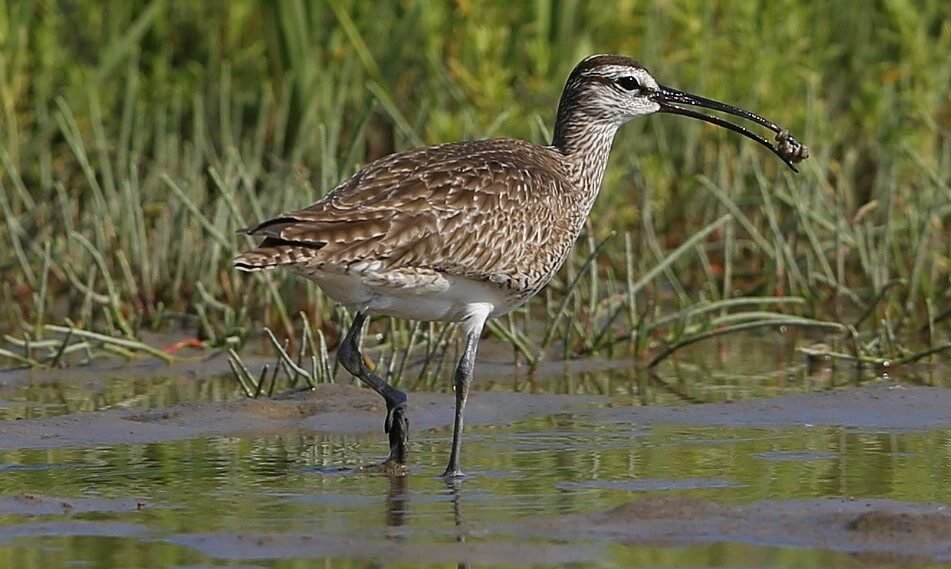
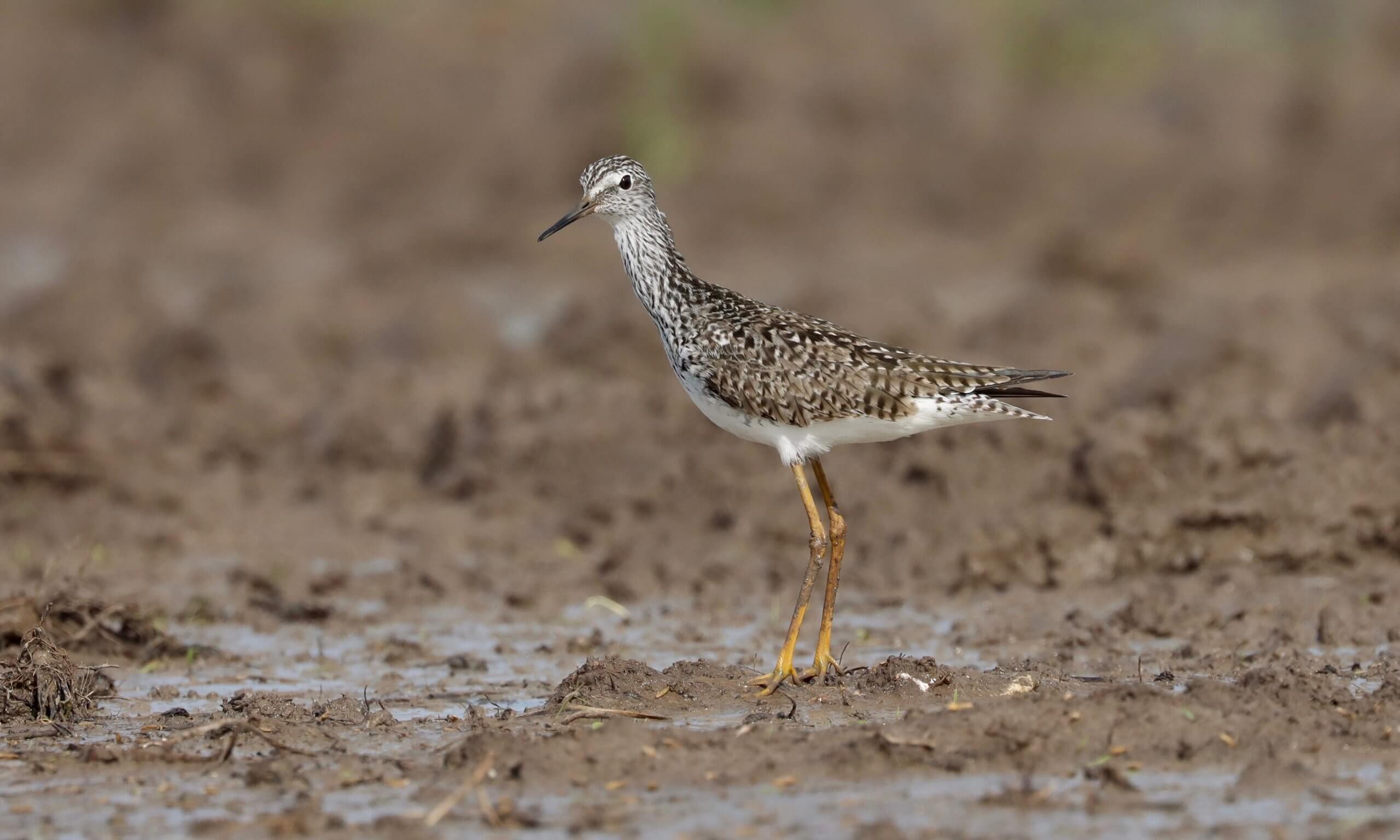
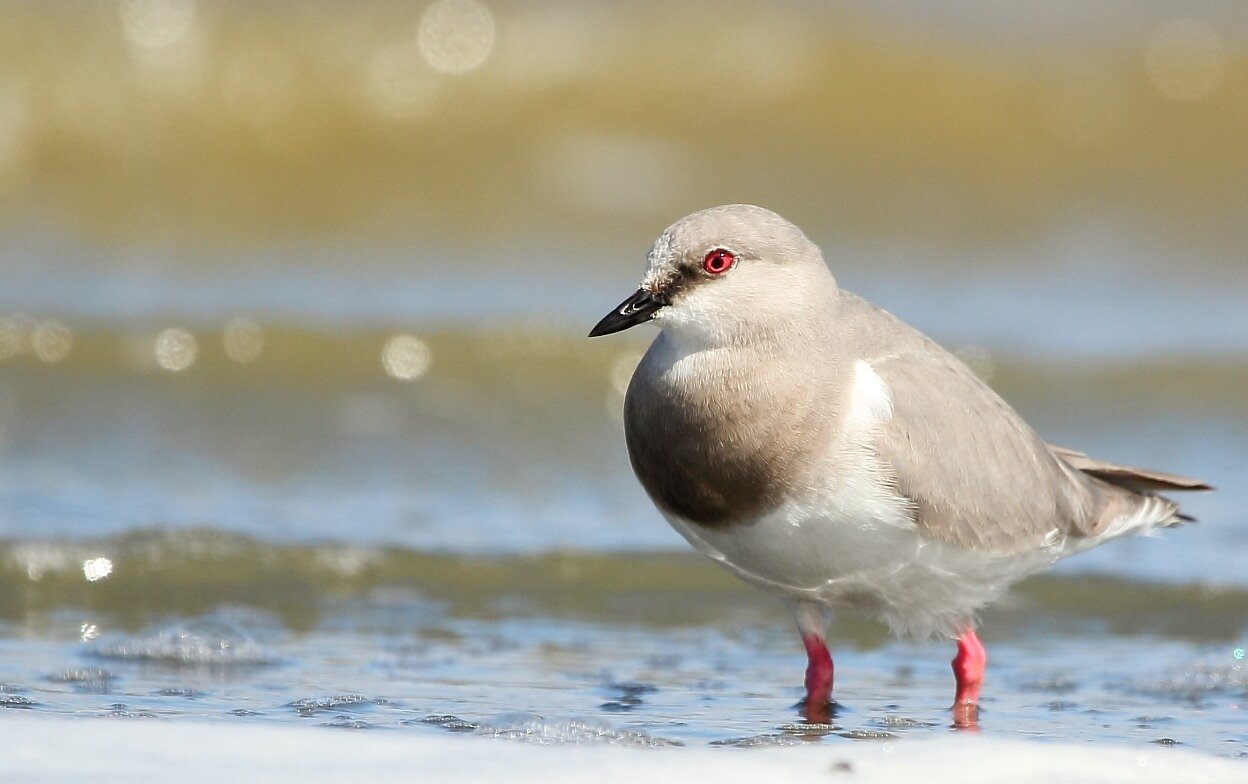
This articulation represents a significant effort, as it requires advancing toward more integrated, horizontal, and collaborative governance, where global commitments are implemented at the scale of critical sites.
Photos: Georgia Marsh (Numenius hudsonicus), Alan Kneidel (Tringa flavipes), Pablo Cáceres (Pluvianellus socialis).
Within the CMS framework and considering concerning population trends, WHSRN/ RHRAP sites take on renewed significance. Over the past 40 years, due to their biological importance for shorebirds, these sites have been recognized as priority areas and are now being redefined as true local conservation platforms for implementing global commitments. The conservation of migratory species, inherently dependent on a network of interconnected habitats, compels us to act across the full annual cycle, and it is precisely here where WHSRN/ RHRAP gains renewed relevance.
At the same time, the prioritization of endangered migratory species (Appendix I) introduces a new territorial hierarchy. WHSRN/ RHRAP sites that support significant populations of these species become priority areas on the international agenda. This brings increased visibility, but also an urgent need to strengthen conservation conditions, from enhancing management plans to demonstrating and reporting concrete, measurable outcomes. In other words, the expected standard of performance is raised.
This increase in ambition places national and local partners at the forefront: governments, ministries, NGOs, universities, communities, and the private sector are the actors who ultimately enable and sustain conservation on the ground. They monitor populations, manage threats, build coalitions, and ensure continuity beyond political cycles. Without their active and strengthened engagement, any international framework risks remaining on paper. Building local capacity, ensuring direct participation in decision-making, and providing adequate management tools are enabling conditions.
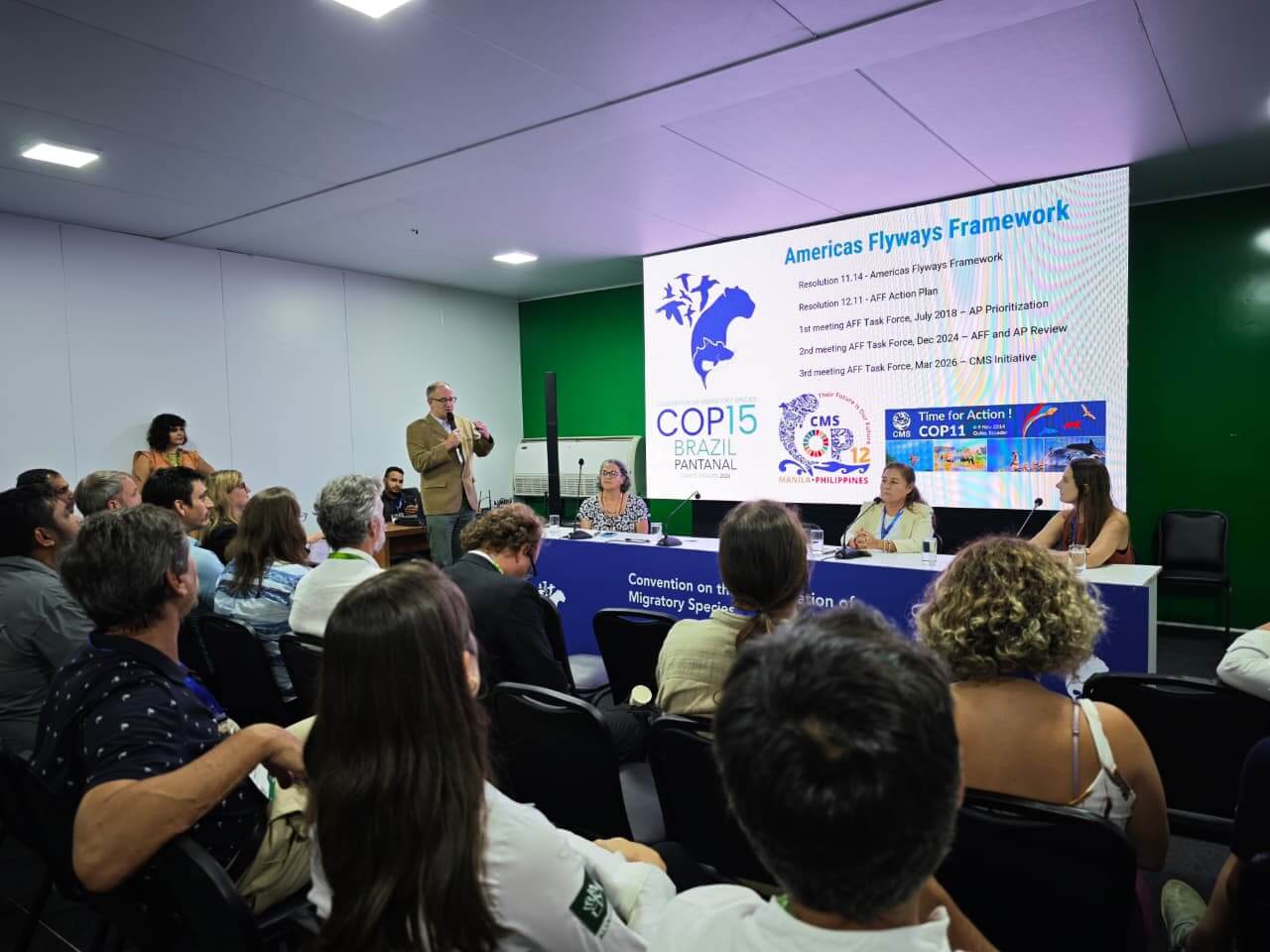
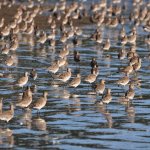
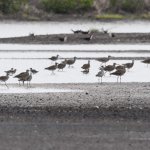
The conservation of migratory species inherently depends on an interconnected network of habitats.
Photo: Cindy Galeano.
The Concerted Action between Chile and Argentina to conserve and recover the Magellanic Plover, adopted by CMS, also introduces a key dimension: transboundary cooperation. In regions such as Patagonia and its vast steppe, where ecological dynamics transcend political borders, WHSRN/ RHRAP sites can become functional units for binational management. This implies advancing toward joint planning schemes, coordinated monitoring, and more robust multilevel governance mechanisms.
WHSRN/ RHRAP Partners are called to evolve from a network of sites of biological importance into a true hemispheric platform for implementing international agreements. However, this shift requires strengthening institutional coordination, investing significantly more in local actors, and closing the funding gap that currently limits the Network’s full potential.
While the challenge is significant, the good news is that we are not starting from scratch. We must scale up the effective implementation of actions across our Network’s sites to ensure the long-term viability of shorebird populations. The decisions of CMS COP15 not only raise ambition: they also redefine the ground where that ambition must be realized. And on that ground, WHSRN/ RHRAP, through its local partners, is called to play a leading and crucial role.
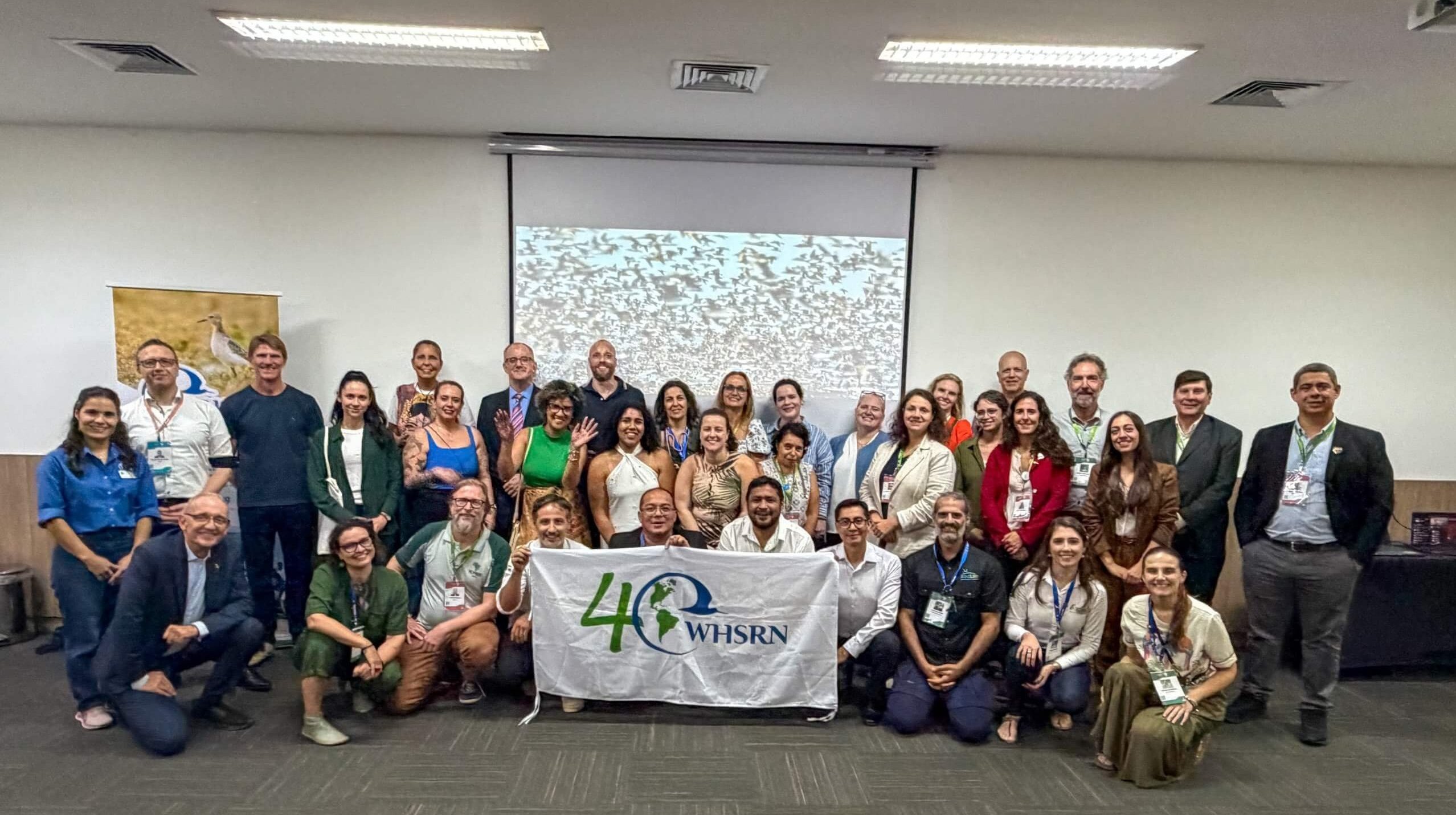
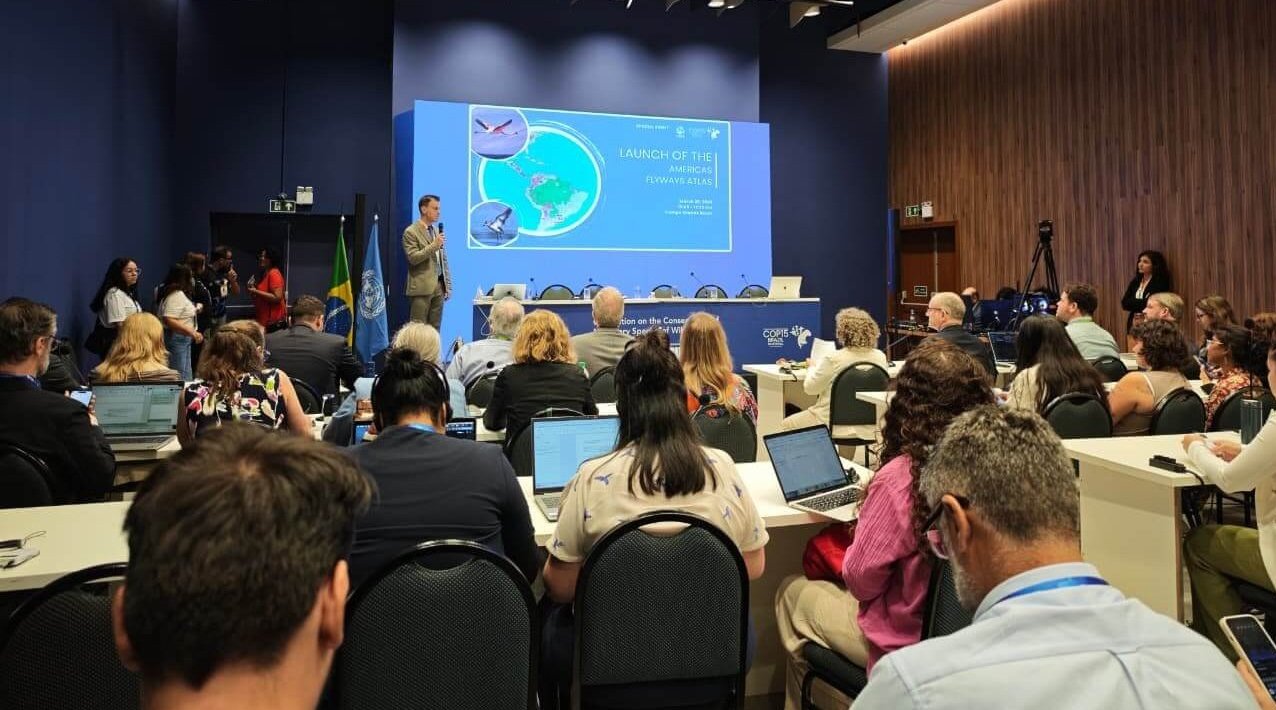
WHSRN/ RHRAP Partners are facing a strategic opportunity despite a challenging context.
Photos: Andrea Ferreira, Cindy Galeano.