
Laguna Llancanelo
Location
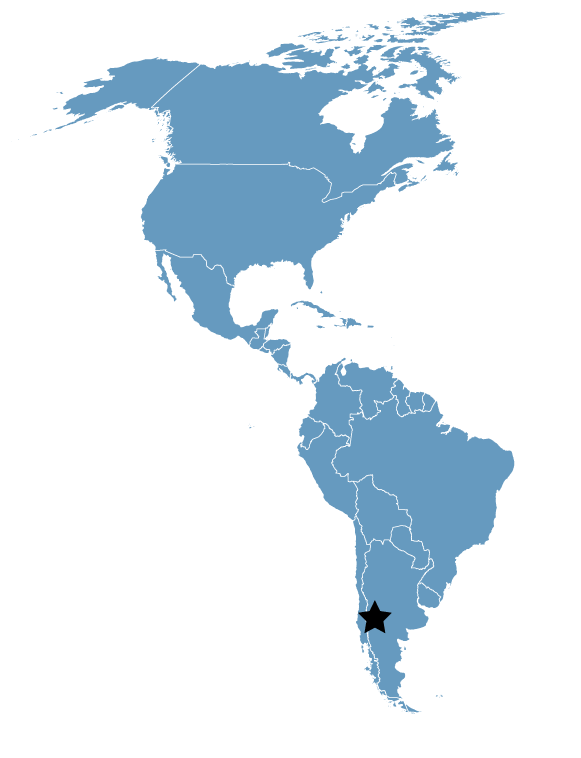
Argentina, Mendoza province
Category
Regional
Basis for Designation
More than 1% of the biogeographic population for Baird’s Sandpiper (Calidris bairdii)
Significant Species
Baird’s Sandpiper (Calidris bairdii)
White-rumped Sandpiper (C. fuscicollis)
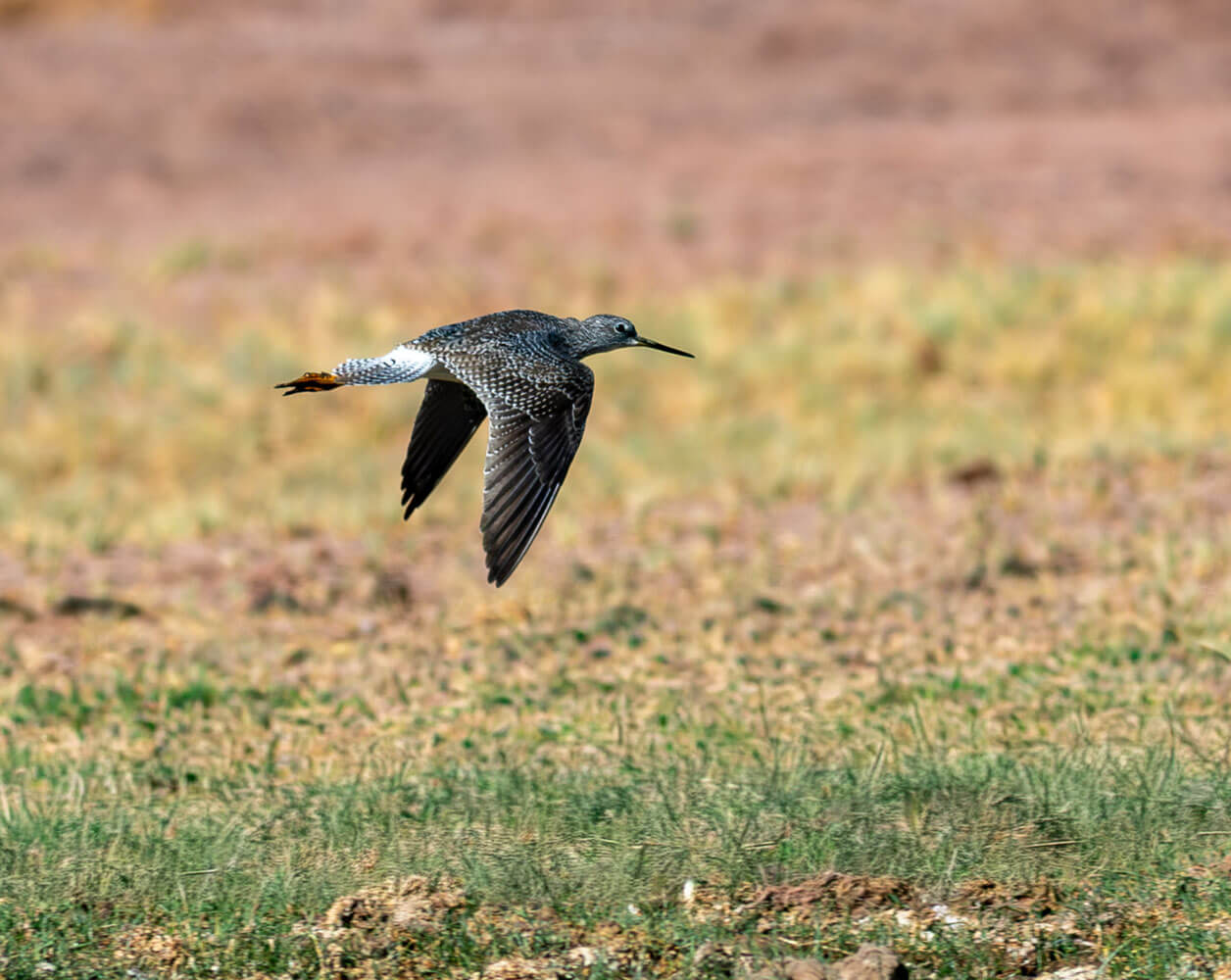
Greater Yellowlegs (Tringa melanoleuca)
Size
88,000 ha (217,452 acres)
Date Designated
January 2026
Responsible Entity
Directorate of Protected Areas.
Subsecretariat of the Environment.
Ministry of the Environment and Energy.
Government of Mendoza.
Context Map
Overview
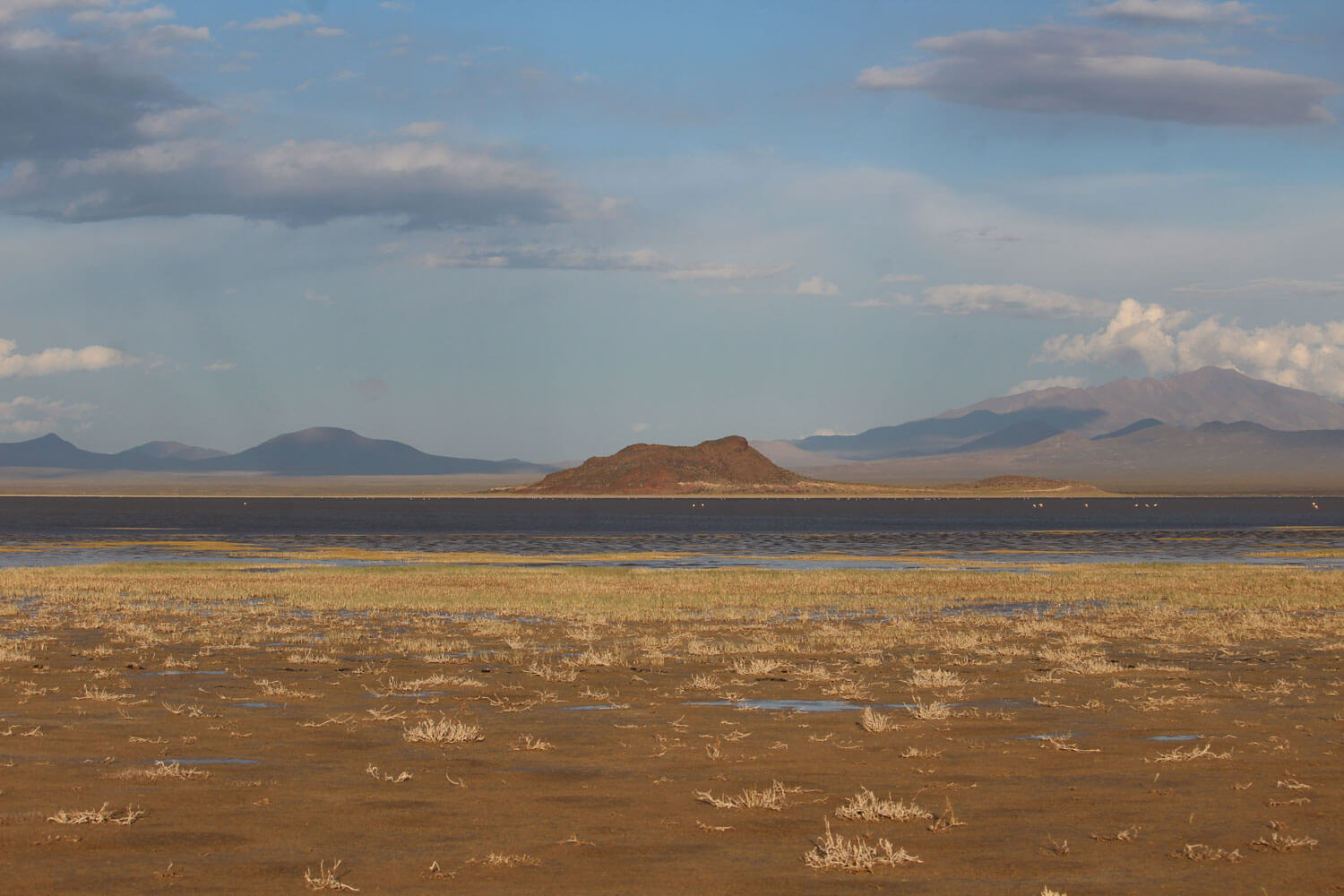
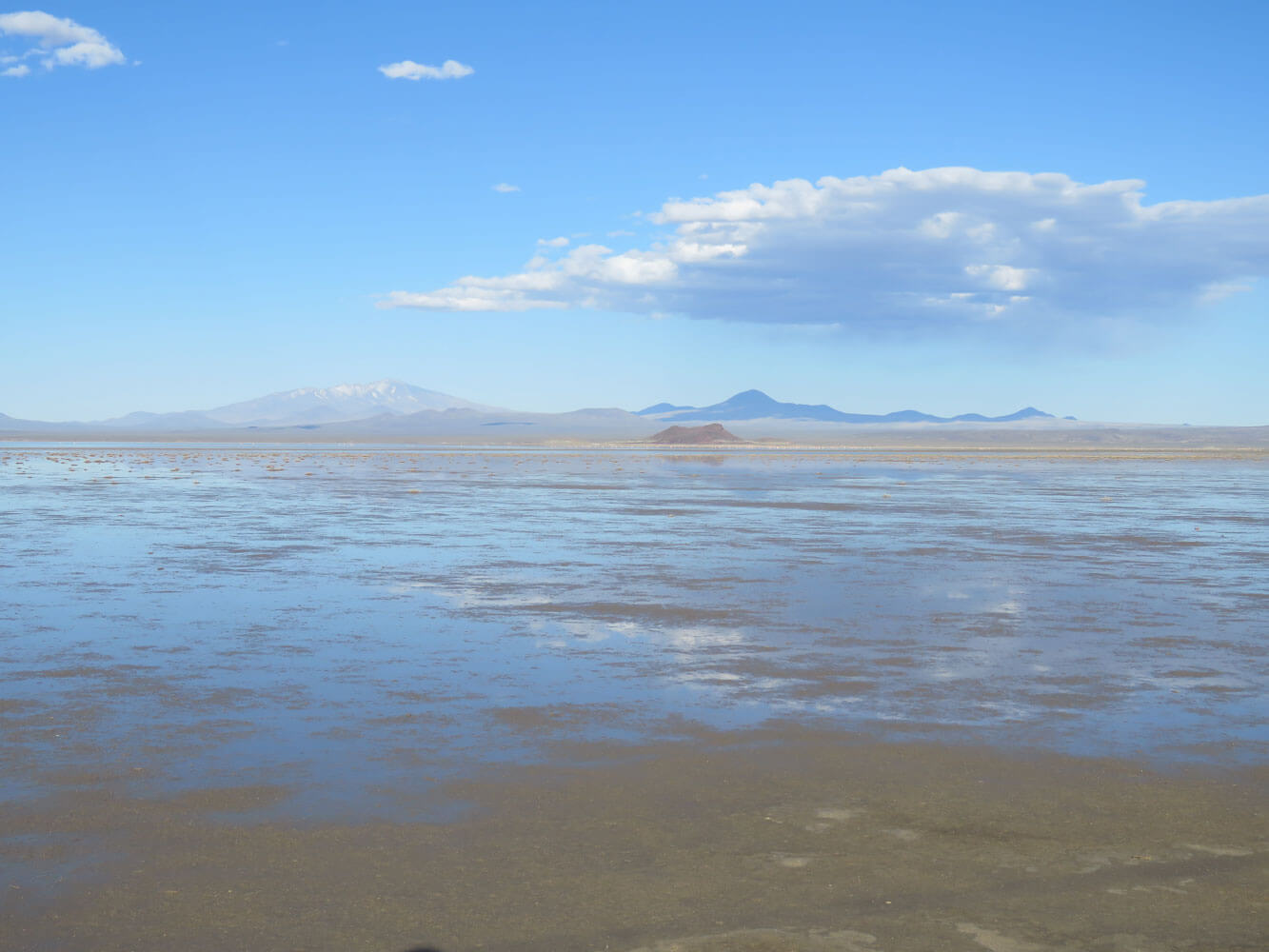
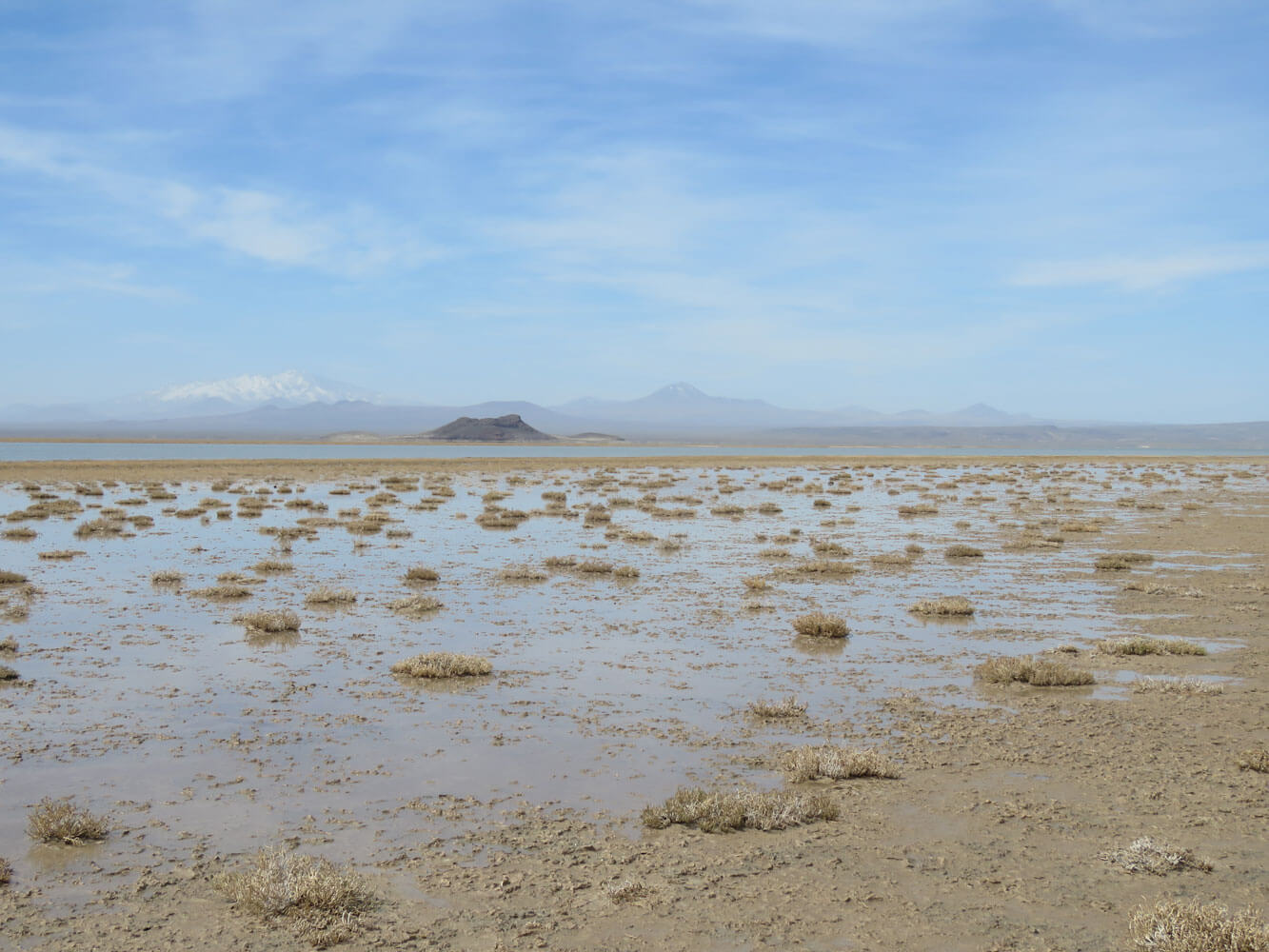
Laguna Llancanelo is located in the southern part of Mendoza Province, Argentina, and comprises an extensive wetland system covering approximately 88,000 hectares. The site includes marshes, springs, rivers, streams, salt flats, and a shallow endorheic lagoon with saline-to-hypersaline waters, whose surface area fluctuates seasonally with water inputs. The water body can reach approximately 17,160 hectares, with average depths close to 30 cm.
Llancanelo has a high level of legal recognition and conservation status. It is a Provincial Reserve, was designated as a Ramsar Site in 1995, and is protected under multiple provincial management categories, including Managed Natural Reserve, Protected Landscape Reserve, and Cultural Natural Reserve. It has also been identified as an Important Bird Area (IBA) and a Key Biodiversity Area (KBA). The management authority is the Directorate of Protected Areas of the Ministry of Energy and Environment of the Government of Mendoza.
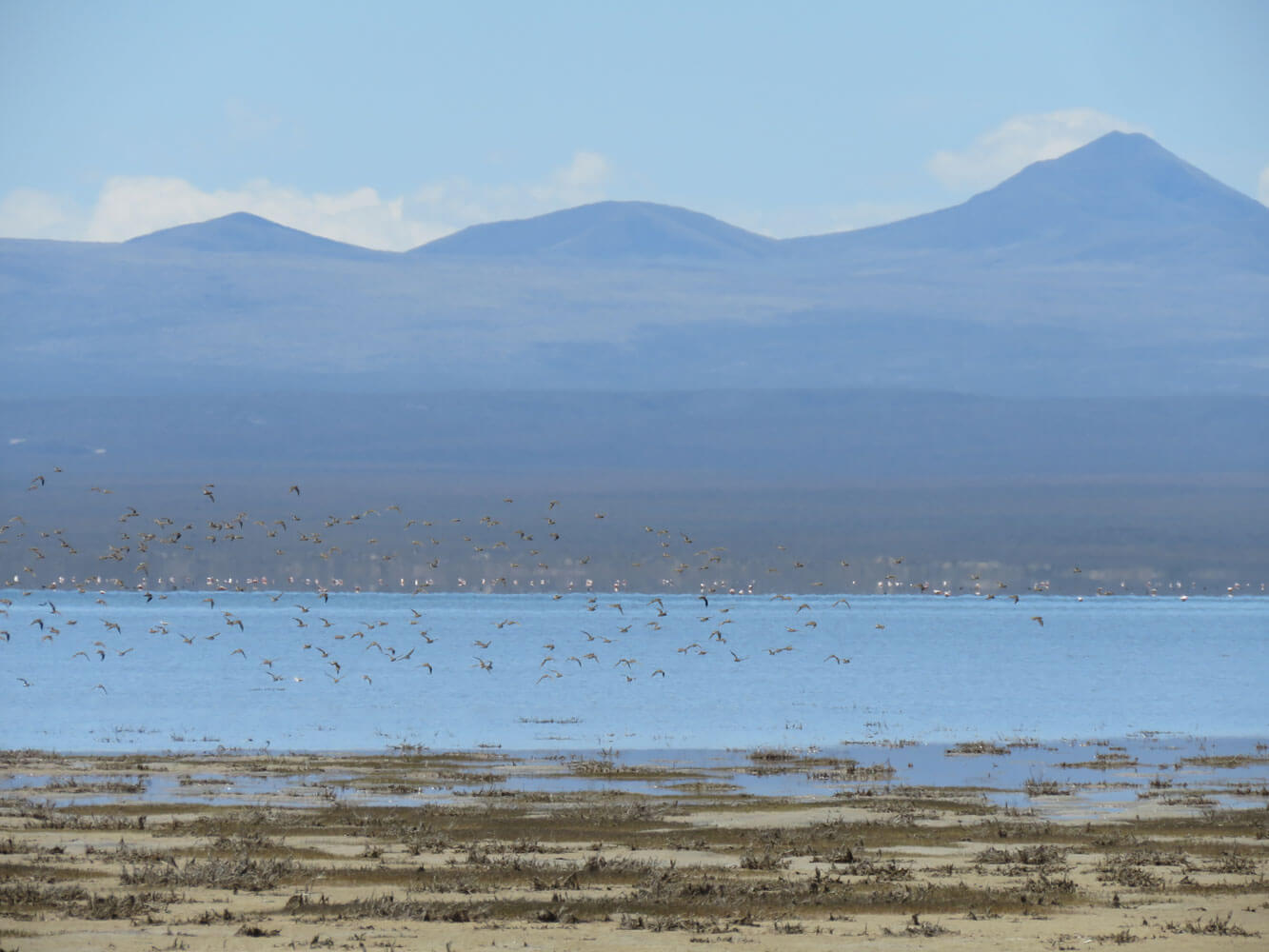
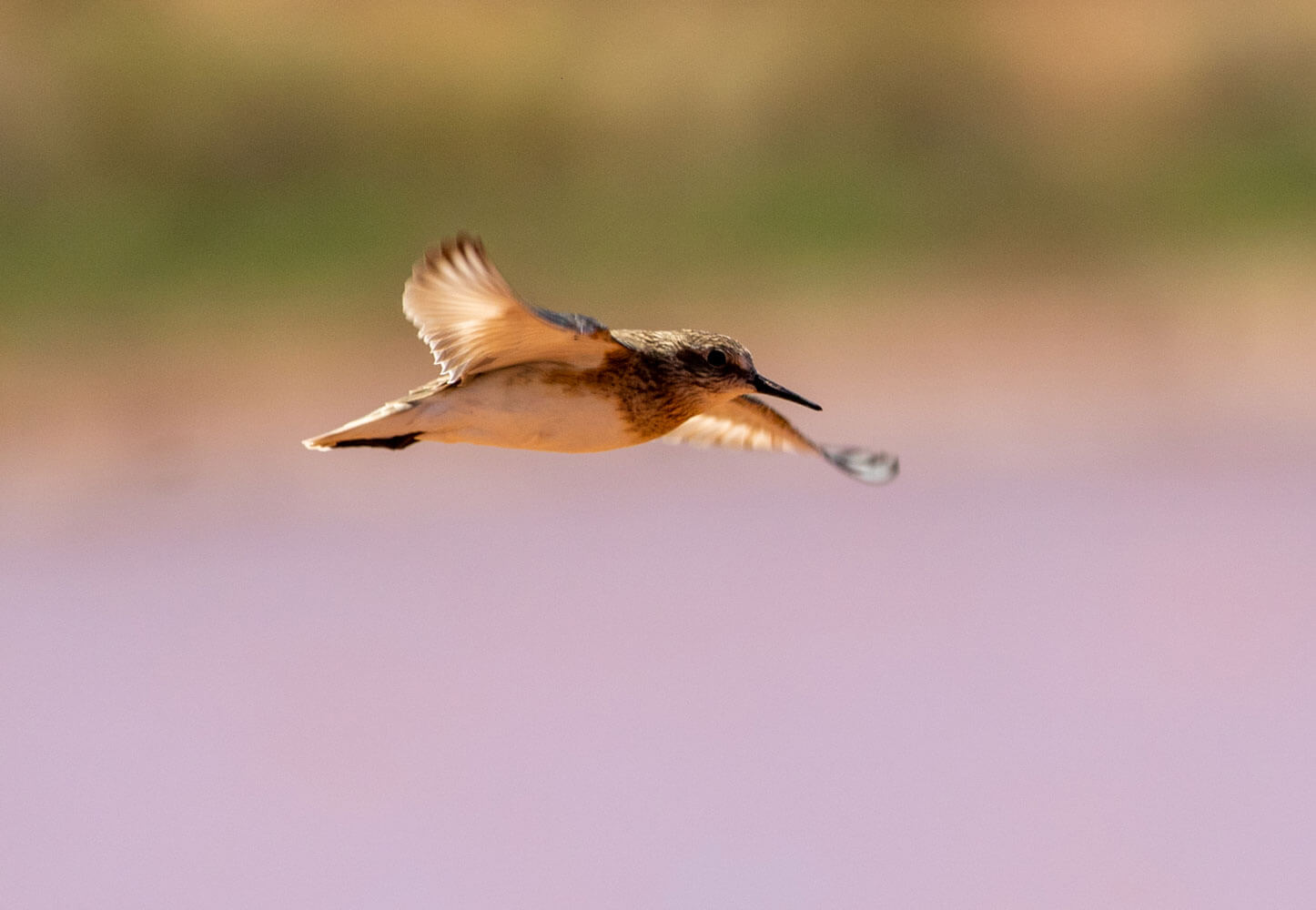
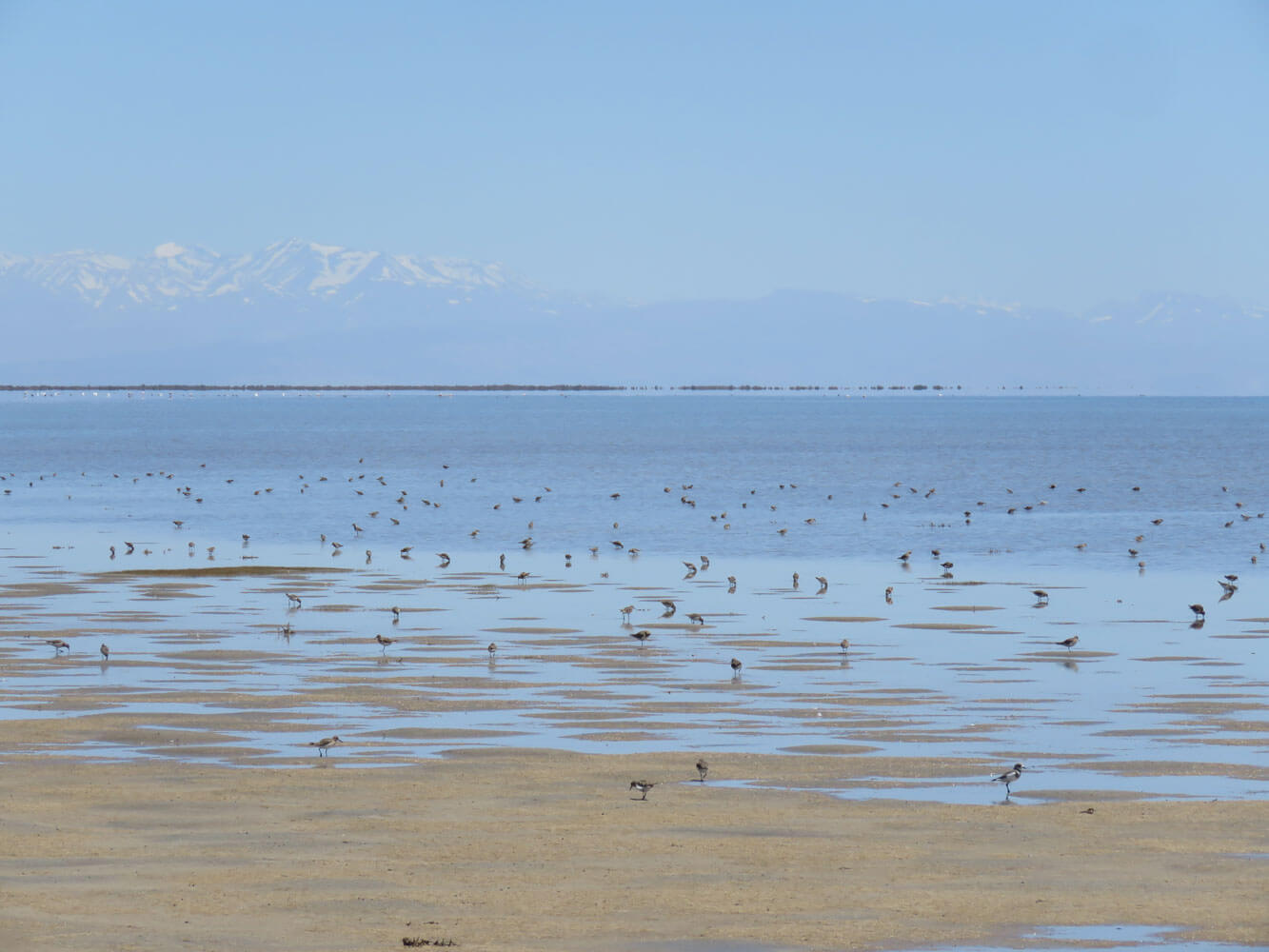
Flock of Baird’s sandpipers (Calidris bairdii) feeding at the WHSRN site Laguna Llancanelo, with the El Nevado volcanic system in the background. Photo: Heber Sosa
Importance for Shorebirds
Laguna Llancanelo is a key site for migratory and resident shorebirds during the non-breeding period. The first systematic surveys were conducted between 1989 and 1990, and since then, the site has maintained a long history of monitoring of waterbirds and shorebirds. These studies have documented high species richness and significant abundances, particularly during the austral spring and summer months.
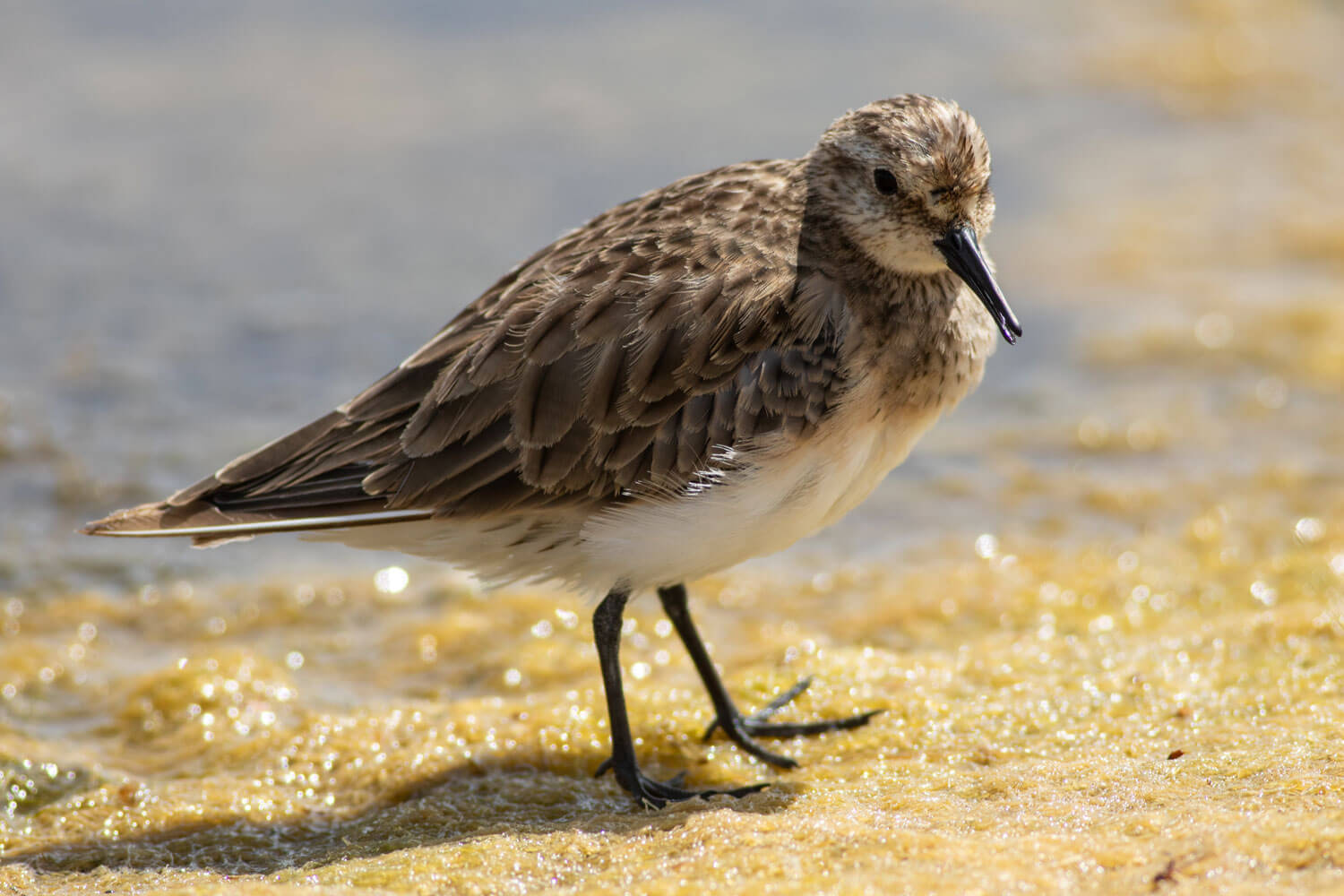
Recent records obtained between 2023 and 2024 expanded the site’s shorebird list to 23 species, approximately 54% of which are Nearctic migrants. Among the most relevant species is Baird’s Sandpiper (Calidris bairdii), which reaches concentrations of hemispheric importance. In January 2024, 4,299 individuals were recorded, exceeding 1% of the species’ estimated global population, thus meeting the criteria for designation as a WHSRN Site of Regional Importance. Historical data also document similar or higher abundances, confirming the site’s sustained importance for this species.

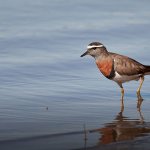
Other shorebirds regularly observed include White-rumped Sandpiper (Calidris fuscicollis), Greater Yellowlegs (Tringa melanoleuca), and Wilson’s Phalarope (Phalaropus tricolor). Resident species include Black-necked Stilt (Himantopus melanurus), Southern Lapwing (Vanellus chilensis), Double-banded Plover (Anarhynchus falklandicus), and Least Seedsnipe (Thinocorus rumicivorus).
Over 4,000 Baird’s Sandpipers were recorded in 2024, surpassing 1% of the global population and confirming the site’s importance.
Importance for Other Wildlife
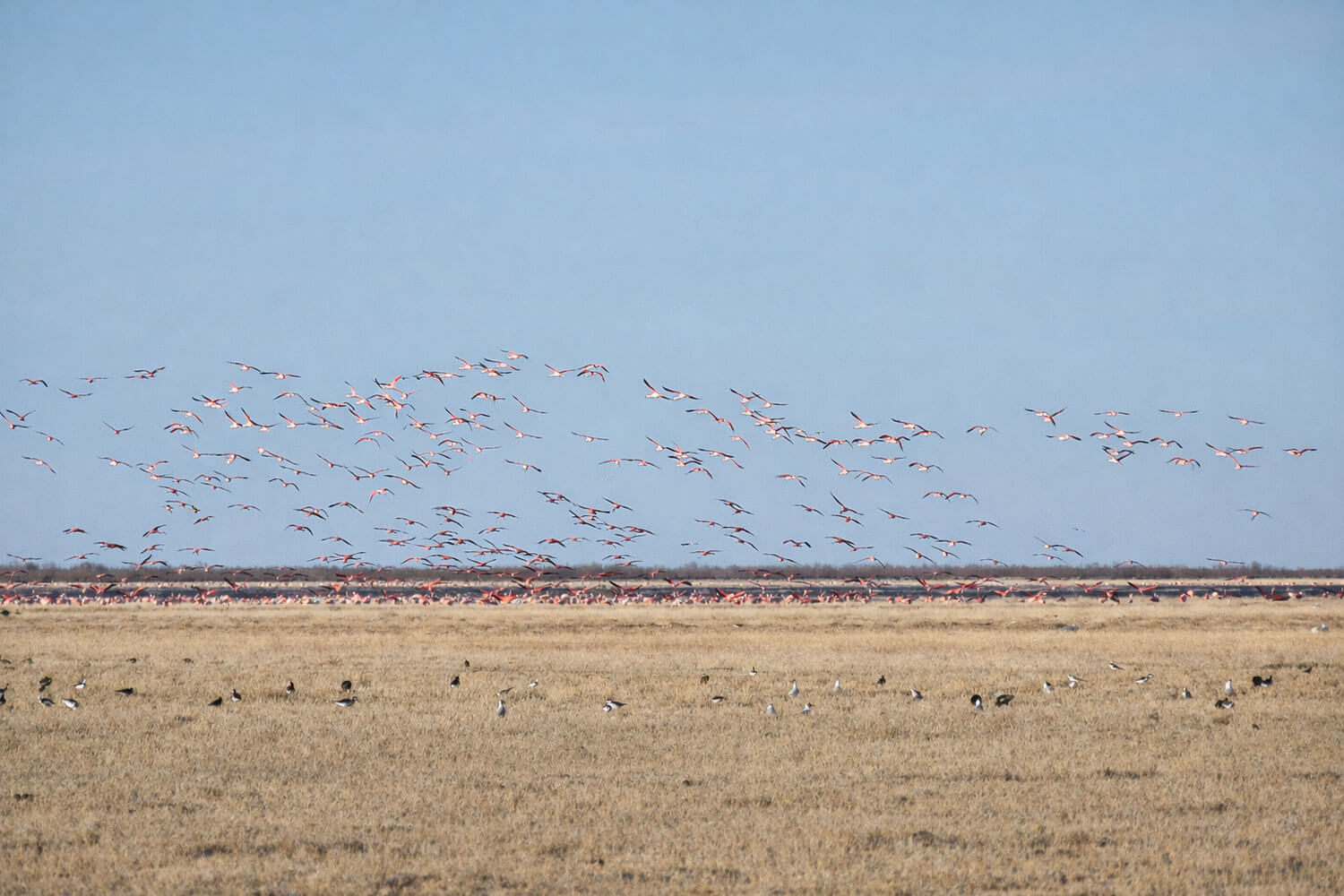
The site supports remarkable biological diversity, with 186 bird species recorded and total abundances exceeding 100,000 individuals. Llancanelo is particularly important for the Chilean Flamingo (Phoenicopterus chilensis), supporting an average of 32,000 individuals, which represents more than 11% of the species’ total population. In addition, the wetland sustains breeding colonies of up to 14,000 pairs, placing Llancanelo among the most important breeding sites for the species in Argentina.
The area is also a habitat for several mammal species, including the Patagonian mara, plains vizcacha, coypu, and lesser grison, as well as species of conservation concern such as the pampas pichiciego and the mountain vizcacha.
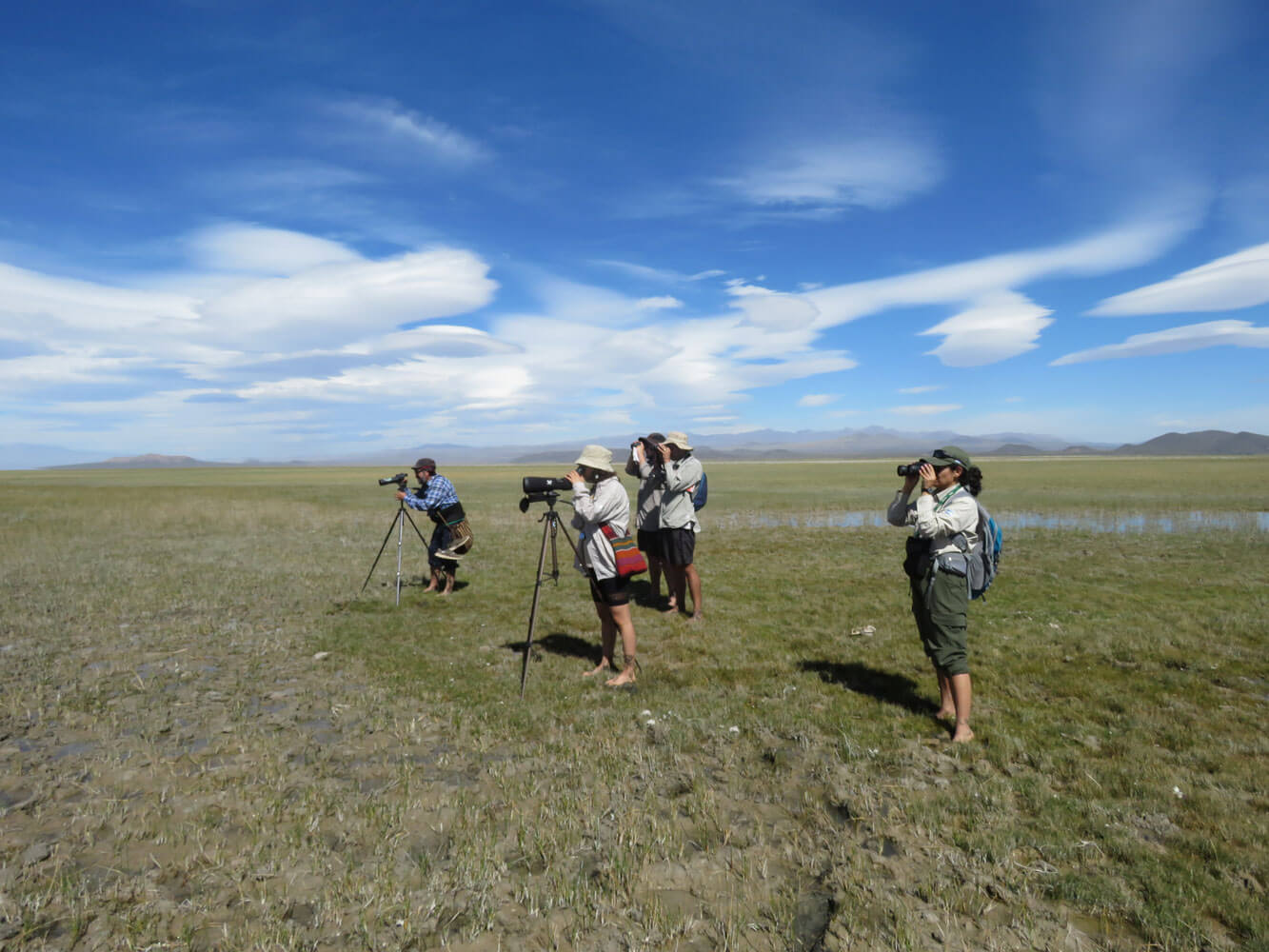
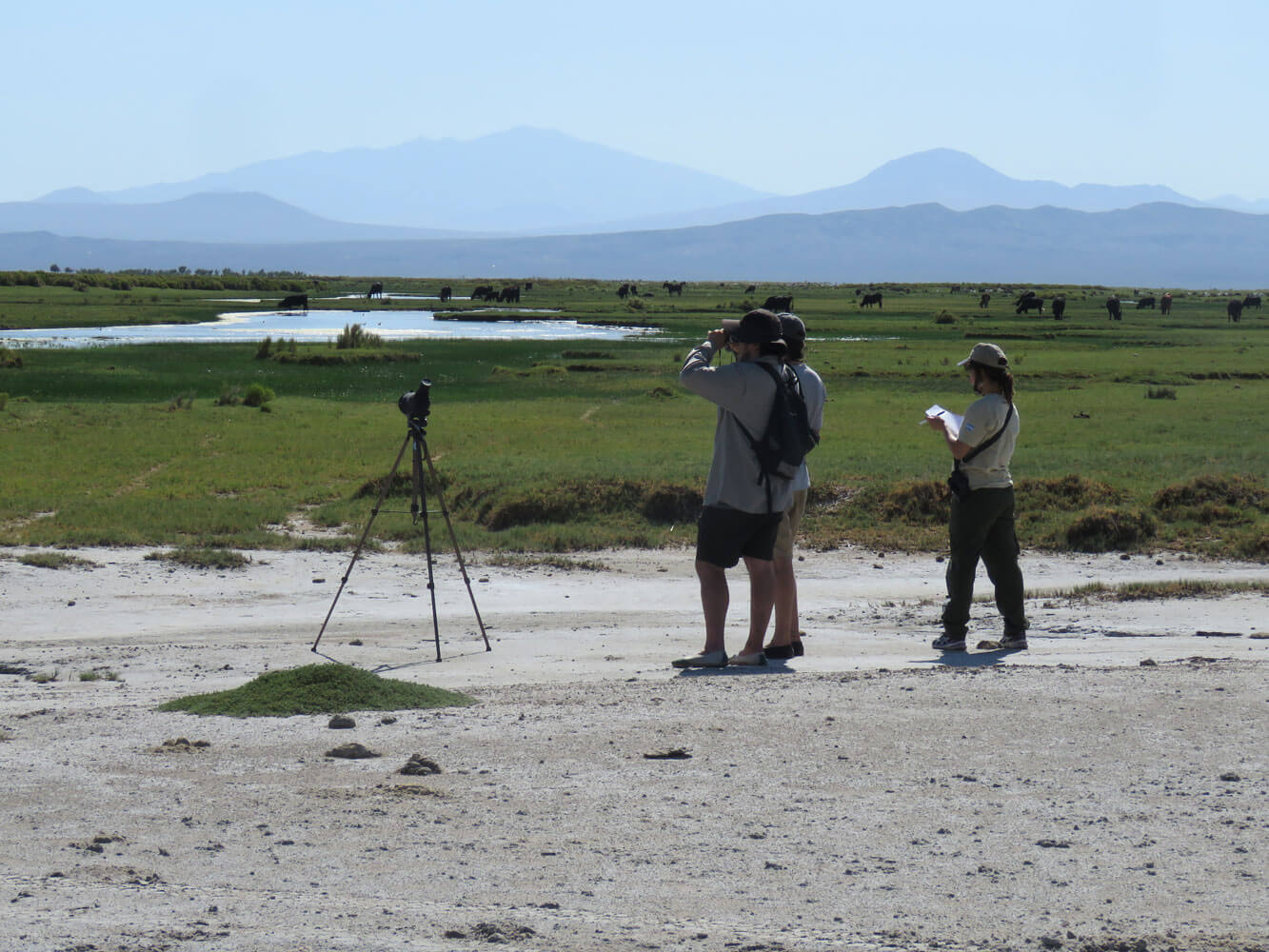
Survey team along the margins of the Carapacho wetlands, characterized by hydrophilic grassland vegetation (mallinal). Photo: Heber Sosa
Local Community
Within the protected area live criollo pastoralist communities primarily engaged in extensive goat and sheep ranching. These communities maintain an active relationship with the site through provincial park rangers and participate in conservation initiatives, wetland restoration, and grazing management. In recent years, educational workshops and community activities aimed at strengthening knowledge and conservation of shorebirds have been implemented, with positive engagement from the local population.
Threats and Site Management
The main threats include surface water extraction, which reduces the extent of open water and shoreline habitats, as well as the presence of invasive exotic species, particularly saltcedar (Tamarix gallica) and wild boar (Sus scrofa), which alter the structure and functioning of the wetland. Other potential threats include water use associated with mining activities in the upper basin, pollution derived from nearby oil extraction activities, extensive overgrazing, and the effects of climate change.
While the site has a permanent presence of park rangers and ongoing monitoring actions, the management plan is currently under revision. The designation of Laguna Llancanelo as a WHSRN site represents a strategic opportunity to strengthen conservation actions, site management, and regional cooperation for the benefit of shorebirds and the wetland’s biodiversity.