

The celebration of the 40th anniversary of the Western Hemisphere Shorebird Reserve Network (WHSRN/RHRAP) began in a place as symbolic as it is impressive: Paracas National Reserve in Peru, where the ocean and the desert meet in a unique landscape that is vital to the continent’s biodiversity.
The Reserve was the country’s first protected coastal marine area, created in 1975, and has been part of the Network since 1991. Today, with its 335,000 hectares, this site celebrates 35 years as a WHSRN site, reaffirming its strategic value for the conservation of shorebirds on a hemispheric scale. Sandy beaches, rocky intertidal zones, and coastal cliffs form a mosaic of habitats that support extraordinary wildlife.
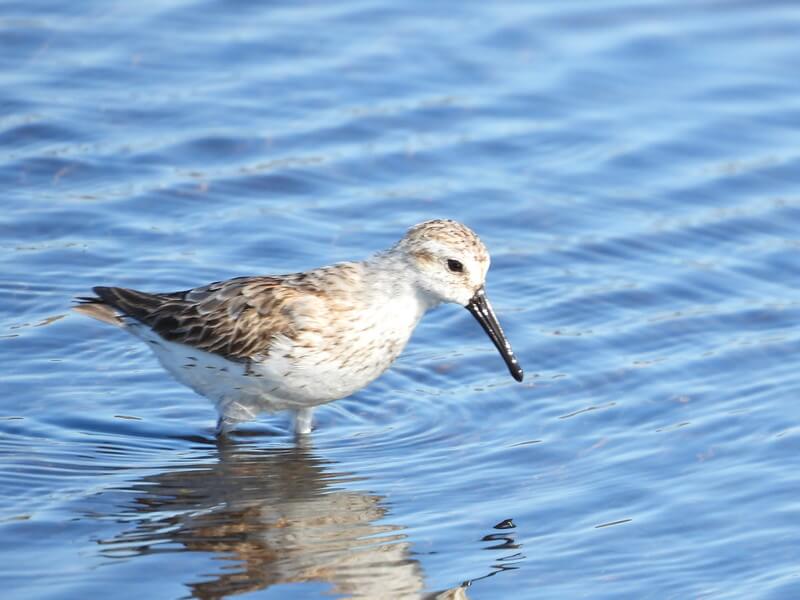
This reserve marks the southernmost part of the Western Sandpiper (Calidris mauri)’s Pacific distribution range.
Photo: Salvadora Morales.
Just as Paracas attracts visitors each summer from different regions to enjoy its coastal scenery, it is also a key destination for thousands of migratory shorebirds arriving from the Northern Hemisphere. Among the most frequently recorded species are the Sanderling (Calidris alba), Western Sandpiper (C. mauri), Semipalmated Sandpiper (C. pusilla), and Black-bellied Plover (Pluvialis squatarola). The Reserve can host around 100,000 individuals, consolidating its role as a critical stopover site during migration. Census data show that tens of thousands of birds feed north of the mouth of the Pisco River and, at nightfall, return to roost within the Reserve’s boundaries.
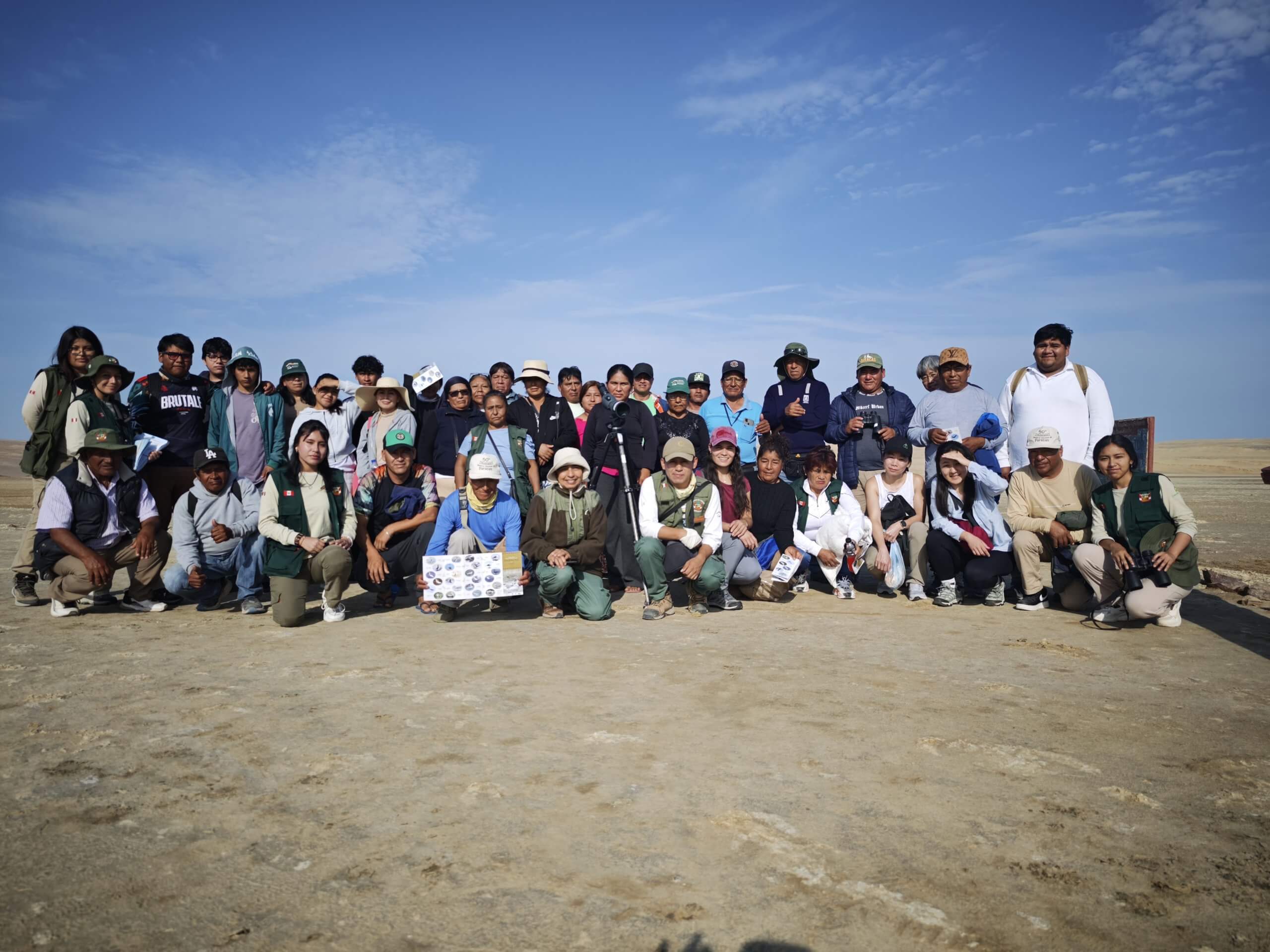
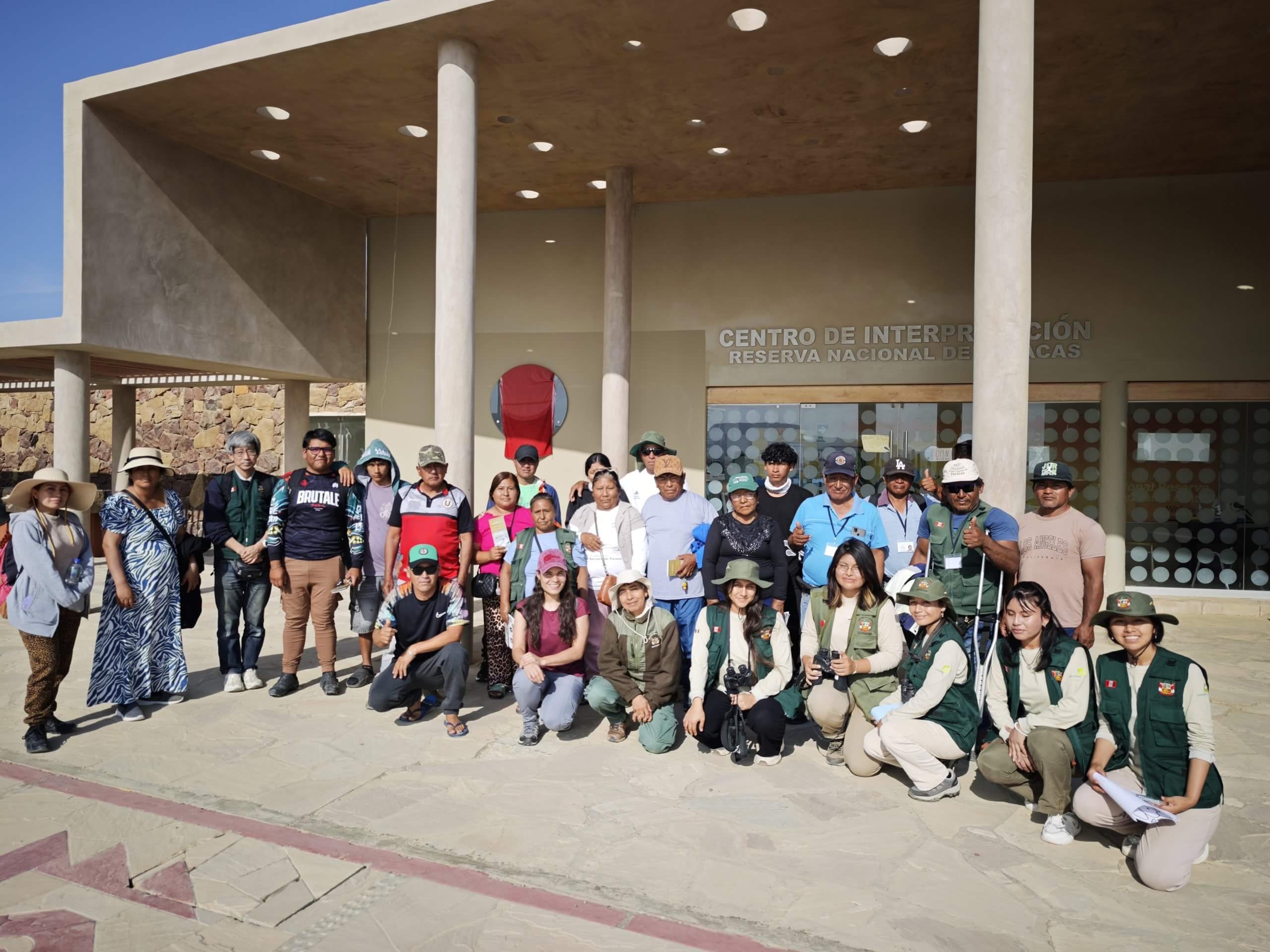
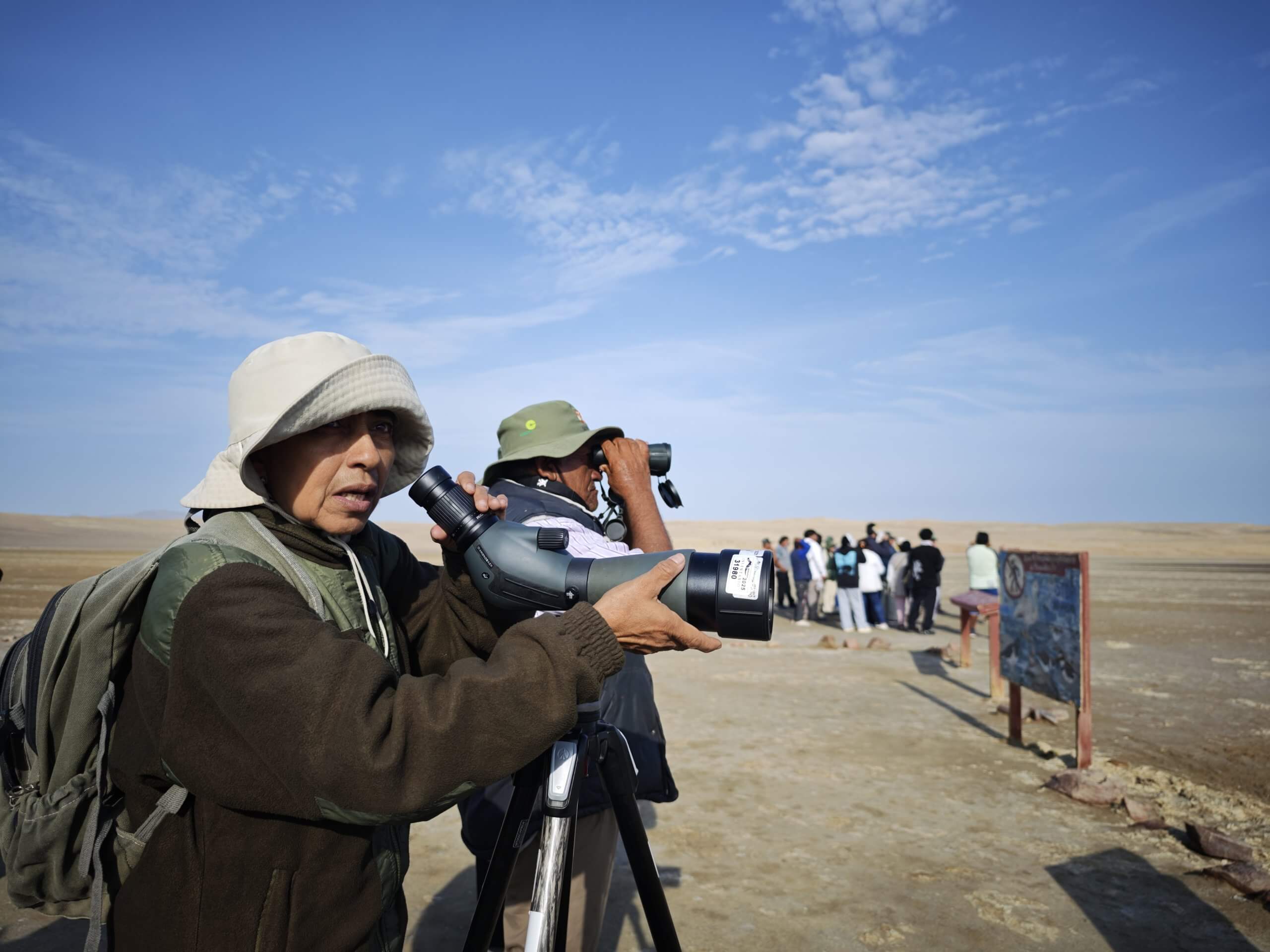
In this privileged setting, and as part of the 40th anniversary of WHSRN, a birdwatching day and a series of talks were held on January 2, bringing together more than 60 local tourism stakeholders. The activities were guided by rangers from the Paracas National Reserve, who, equipped with binoculars, spotting scopes, and a deep commitment to conservation, created a space for learning, exchange, and connection with nature.
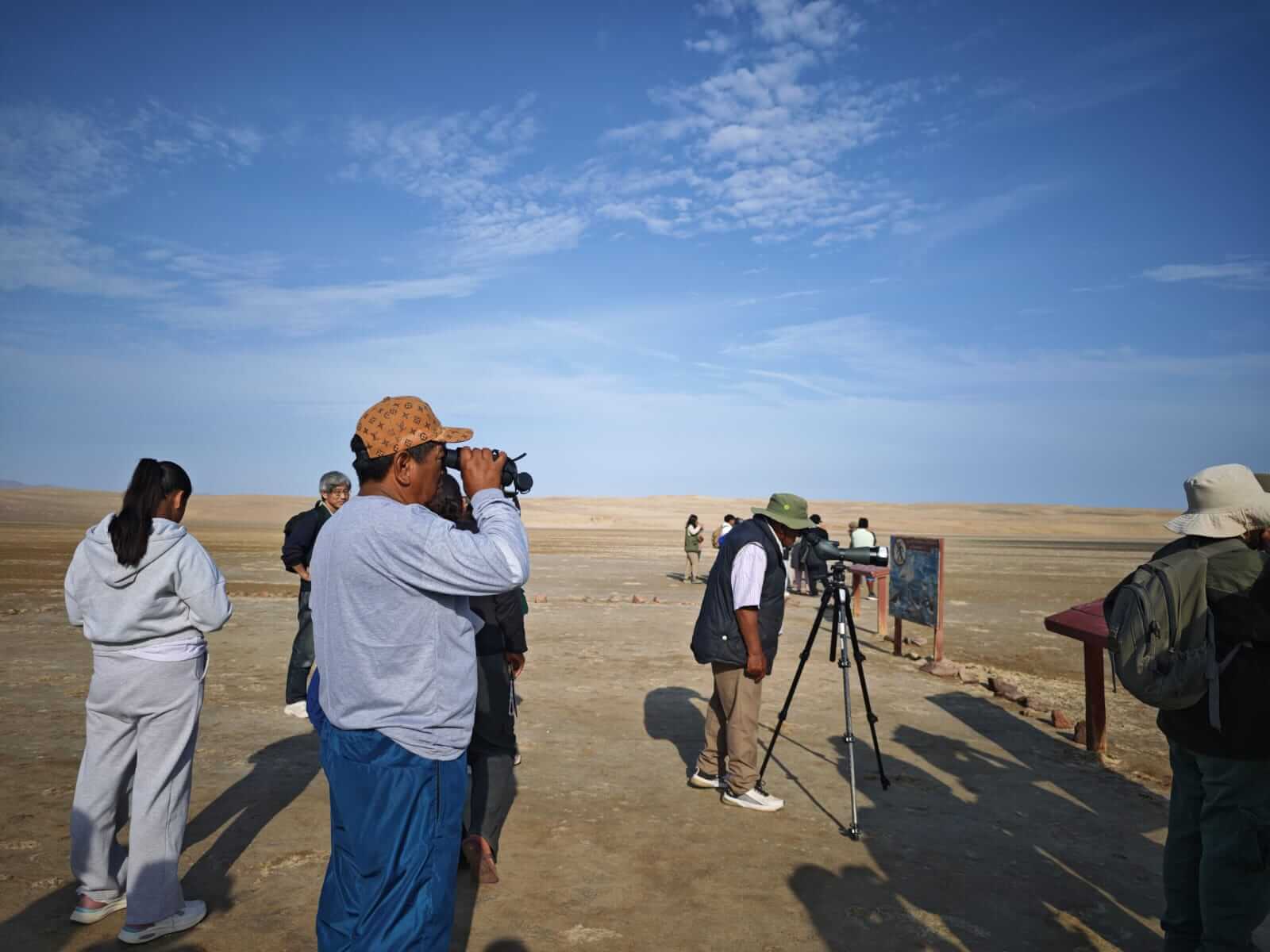
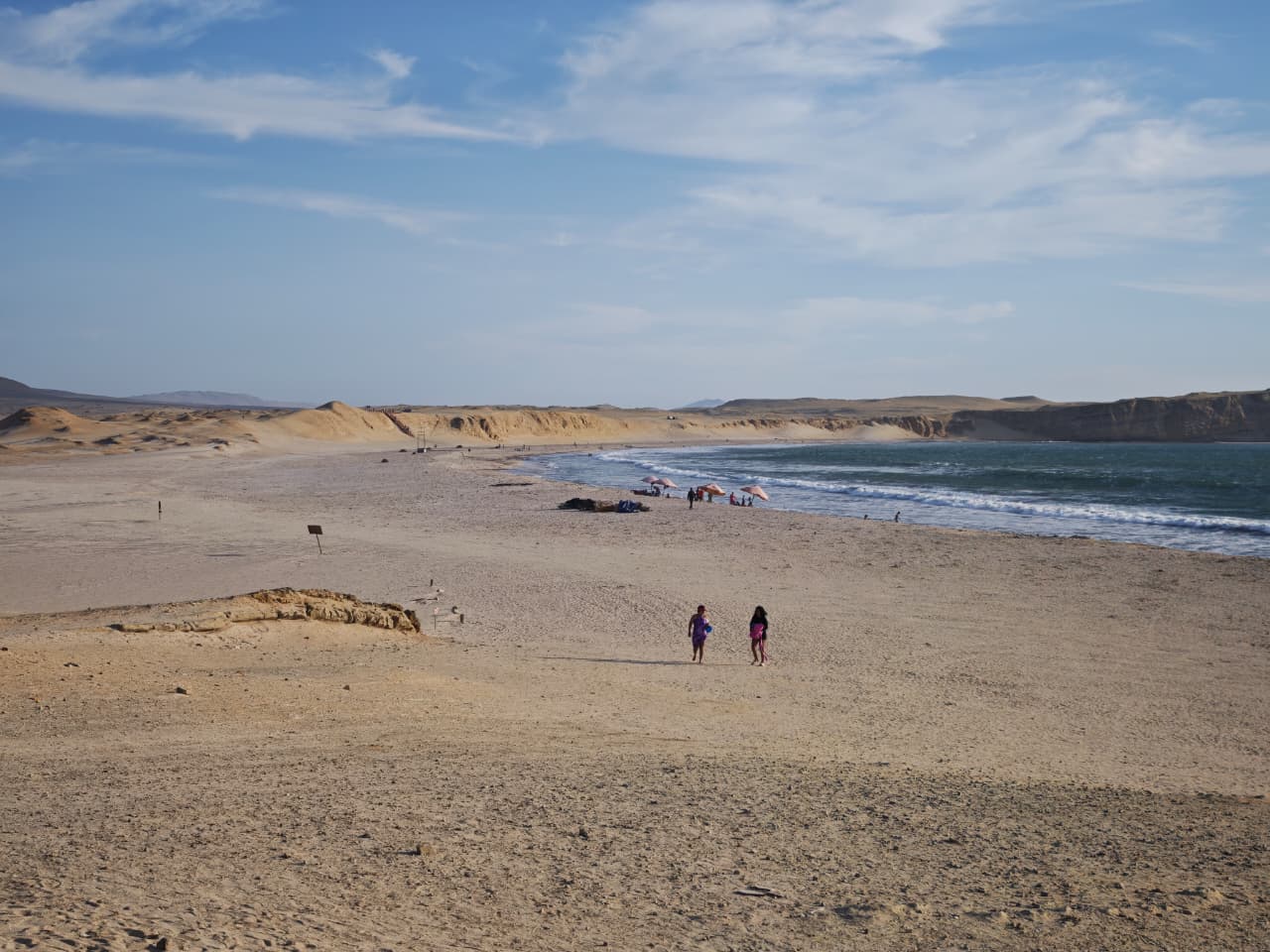
The Paracas National Reserve is considered one of the most important in Peru, by Peruvian authorities and non-governmental organizations.
Photo: Cindy Galeano
Far from being unfamiliar with the topic, participants demonstrated a genuine bond with birds and their environment. Some have already integrated birdwatching into their livelihoods as guides, while others find inspiration in birds to engage their families in artistic expressions that celebrate local biodiversity. This is the case of María Martínez, an artisan and local resident who, after more than a decade volunteering at the Reserve, let her creativity take flight. Through art, María has passed on her love for wildlife to new generations.
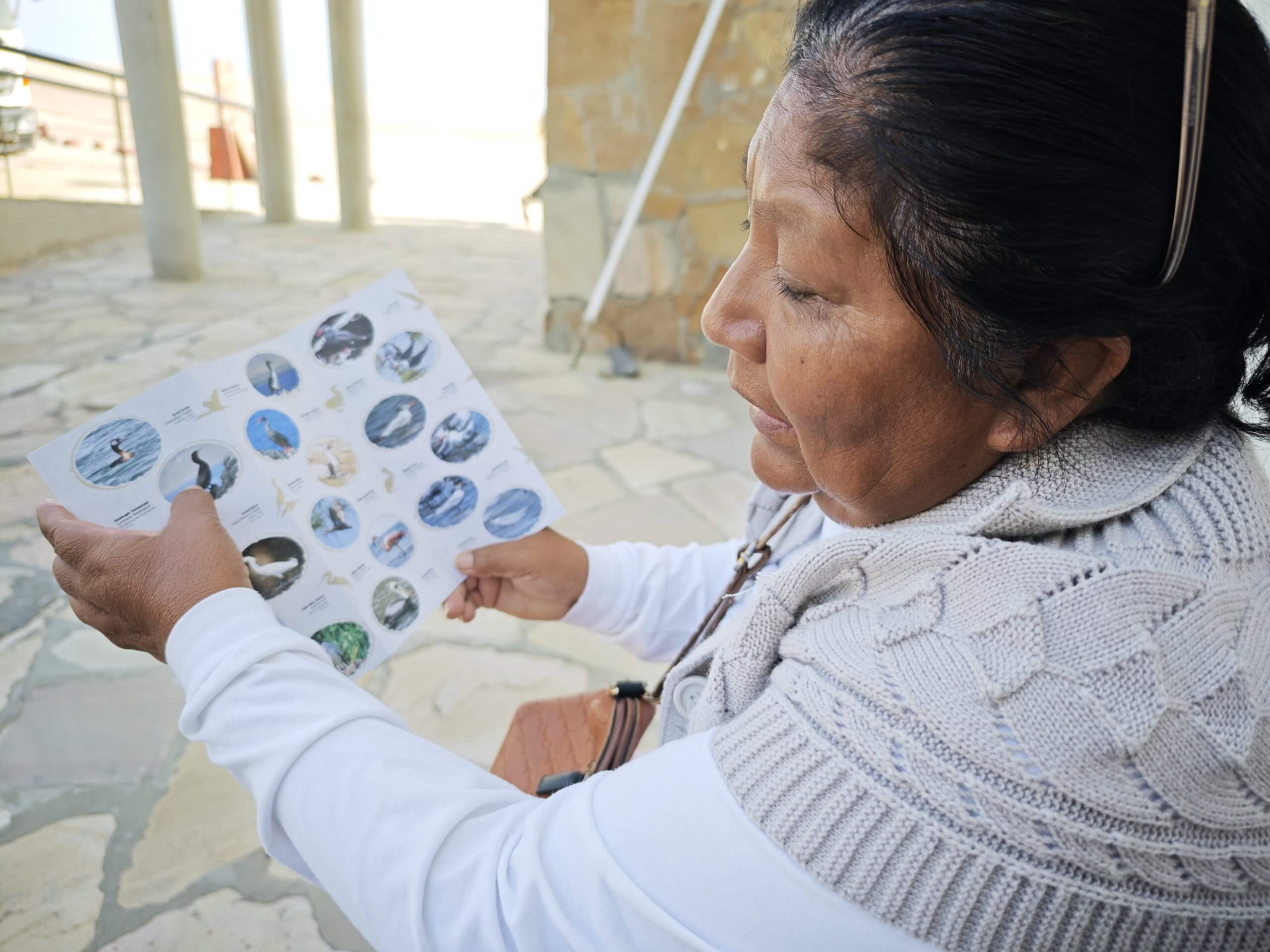
“I took it upon myself to make flamingos and all kinds of birds using cold
porcelain, although today it is my children who continue this craft”.
María Martínez
Artisan and local resident
Patricia Saravia, a specialist, environmental leader, and technical staff member at the Reserve, explains that Paracas has faced significant challenges over time, particularly related to mass tourism in sensitive areas and waste management. Nevertheless, she highlights the progress achieved through sustained work with local communities and the designation as a Regional Importance Site within the RHRAP/WHSRN, which helps drive positive changes in management while also positioning the site internationally for its importance to shorebirds.
“Designations like this position Paracas as a reference for shorebird conservation in Peru.”
Patricia Saravia
Environmental specialist
Over the years, the Paracas National Reserve has adapted and grown stronger. New regulations, increased community oversight, and rising awareness have enabled the recovery of valuable spaces for wildlife, reaffirming that conservation is a shared journey.
About ten years ago, work with volunteers began, gradually evolving into more concrete conservation agreements supported by ongoing training. Today, residents involved in these initiatives, together with young volunteers, play a key role in caring for the protected area. “They are like our eyes and ears in other parts of the Reserve; through them we take care of these spaces,” Patricia affirms.
Celebrating 40 years of WHSRN in Paracas was much more than observing birds: it was about learning stories, lessons, and partnerships that, like migrations, transcend borders and remind us that protecting these sites is a collective responsibility.