
When Shiloh Schulte stepped into a room—or a remote field camp—he didn’t need to announce himself. Without seeking the spotlight, his presence was unmistakable. You could often find him on the edge of something wild. He belonged to the landscapes he worked in. Shiloh made you feel like a partner in something that mattered. He reminded those around him that conservation is about people just as much as birds.
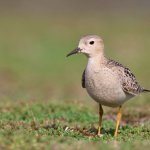
On June 4, 2025, we lost Shiloh in a helicopter crash during fieldwork in Alaska. He was 46. The news echoed across the Americas through communities, coastlines, and conservation circles where Shiloh had left a profound mark. Measuring the impact of a life like Shiloh’s is difficult in ordinary terms. The birds themselves tell part of the story. The American Oystercatchers that now thrive again on Atlantic beaches are a living metric of his leadership and inspiration. So are the Whimbrels, whose migrations we now understand a little better, and the Buff-breasted Sandpipers and plovers that benefited from the attention he brought to their habitats.
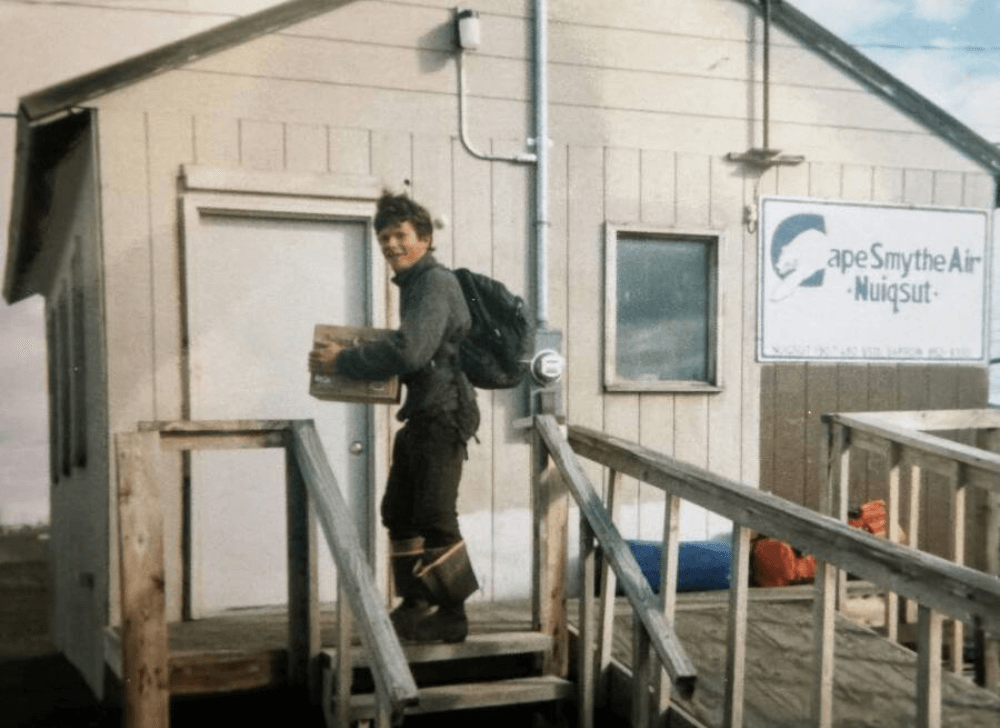
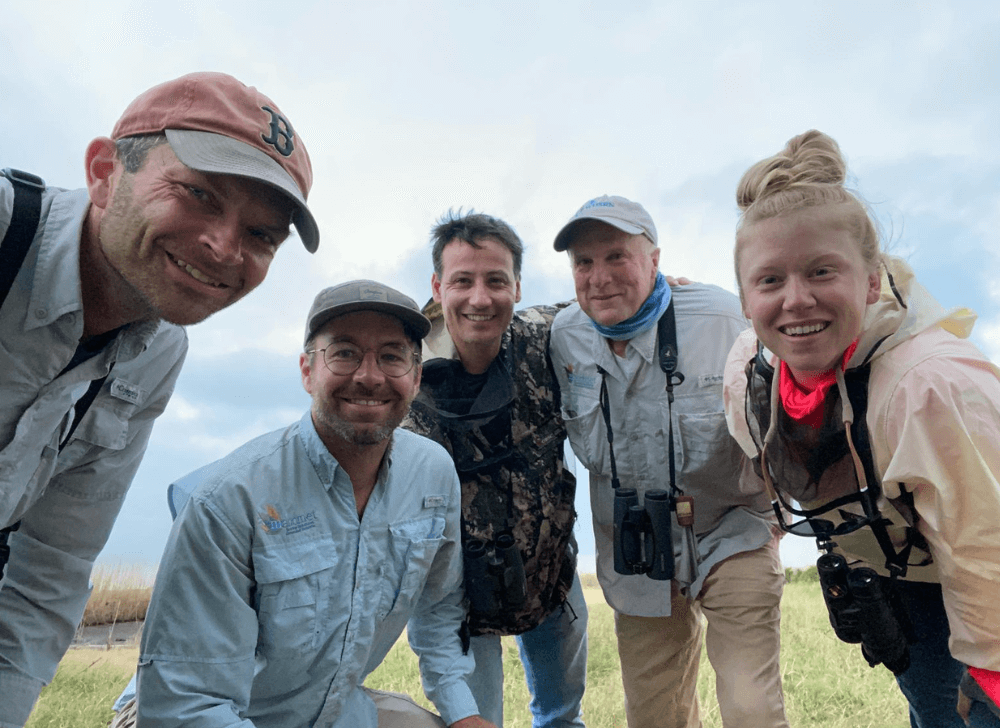
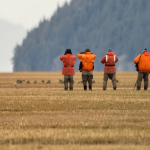
Left: Summer on the Colville River Delta in 1997. Photo: Angela Schmidt. Right: Shiloh Schulte, Alan Kneidel, Joaquin Aldabe, Brad Winn, and Sam Wolfe in Texas.
At the age of 18, Shiloh got his start in Alaska’s wild Colville River delta. That experience shaped him for life. A mix of courage and curiosity drove him to some of the most remote corners of the hemisphere—always ready to learn, to listen, and to support others doing the work. Before becoming a leader in conservation working groups, Shiloh built a foundation rooted in science. He earned his B.S. in Wildlife Biology from the University of Vermont, where he spent summers gaining hands-on experience in avian research and led weekend hikes with the Outing Club. He was also a club officer and active competitor in the university’s Taekwondo team—a discipline he carried with him throughout life, eventually earning a second-degree black belt. Shiloh went on to complete his doctorate at North Carolina State University, where he studied the ecology and population biology of American Oystercatchers along North Carolina’s Outer Banks. During that time, he helped coordinate a coast-wide banding and resighting program in collaboration with researchers and partners across the region. A skilled scientist, an avid birder, and a committed teammate, Shiloh brought the same energy, sense of humor, and discipline to every field site, data log, and long-distance run.
Shiloh sharing his enthusiasm and knowledge about shorebirds
Shiloh’s banding legacy alone tells a story of unwavering dedication and connection. Over his career, he banded 338 American Oystercatchers across seven states—work that often took him by kayak to remote islands or deep into challenging terrain. The American Oystercatcher Working Group Steering Committee – some of Shiloh’s dear colleagues – assembled some data about the breadth of his work. From Boston to Florida’s balmy Gulf Coast, and from the rugged Isle of Shoals in New Hampshire to the southernmost tip of South America (and every coastline in between), many of “Shiloh’s birds” continue to be spotted by community scientists and new generations of researchers.
In Alaska and Cape Cod, he fitted Whimbrels with satellite transmitters and followed their transoceanic journeys, uncovering vital insights into their migratory flyways. Across the WHSRN network, partners have shared powerful memories of the footprints Shiloh left behind. In April 2025, he traced the Whimbrels’ path once more—this time to the northern coast of Brazil.
He joined partners in the highlands of Antofagasta and Santiago, Chile, to search for the elusive Diademed Sandpiper-Plover. Under his guidance, the Binational Pluvianellus Project achieved a major milestone: the first satellite tagging of a Magellanic Plover (Pluvianellus socialis), one of the rarest shorebirds in the world. In tribute, Asociación Ambiente Sur renamed the individual bird (once known only as 205) “Shiloh.” On his visit to Chile’s Maipo River, a WHSRN Site of Regional Importance, he exchanged knowledge with local partners and shared insights from the Oystercatcher recovery in North America. “When Shiloh came to our community, he didn’t act like an outsider studying something from a distance,” wrote one partner. “He sat with us. He listened. And he made sure our voices shaped the science.”
That collaborative spirit strengthened the WHSRN Network itself. Through Shiloh’s work, widespread WHSRN sites became not just dots on a map but connected havens—linked by a shared mission to ensure that our hands give their wings a safe place to land. The results of his scientific work have supported the nomination of new WHSRN sites and will continue to guide conservation decisions well into the future.
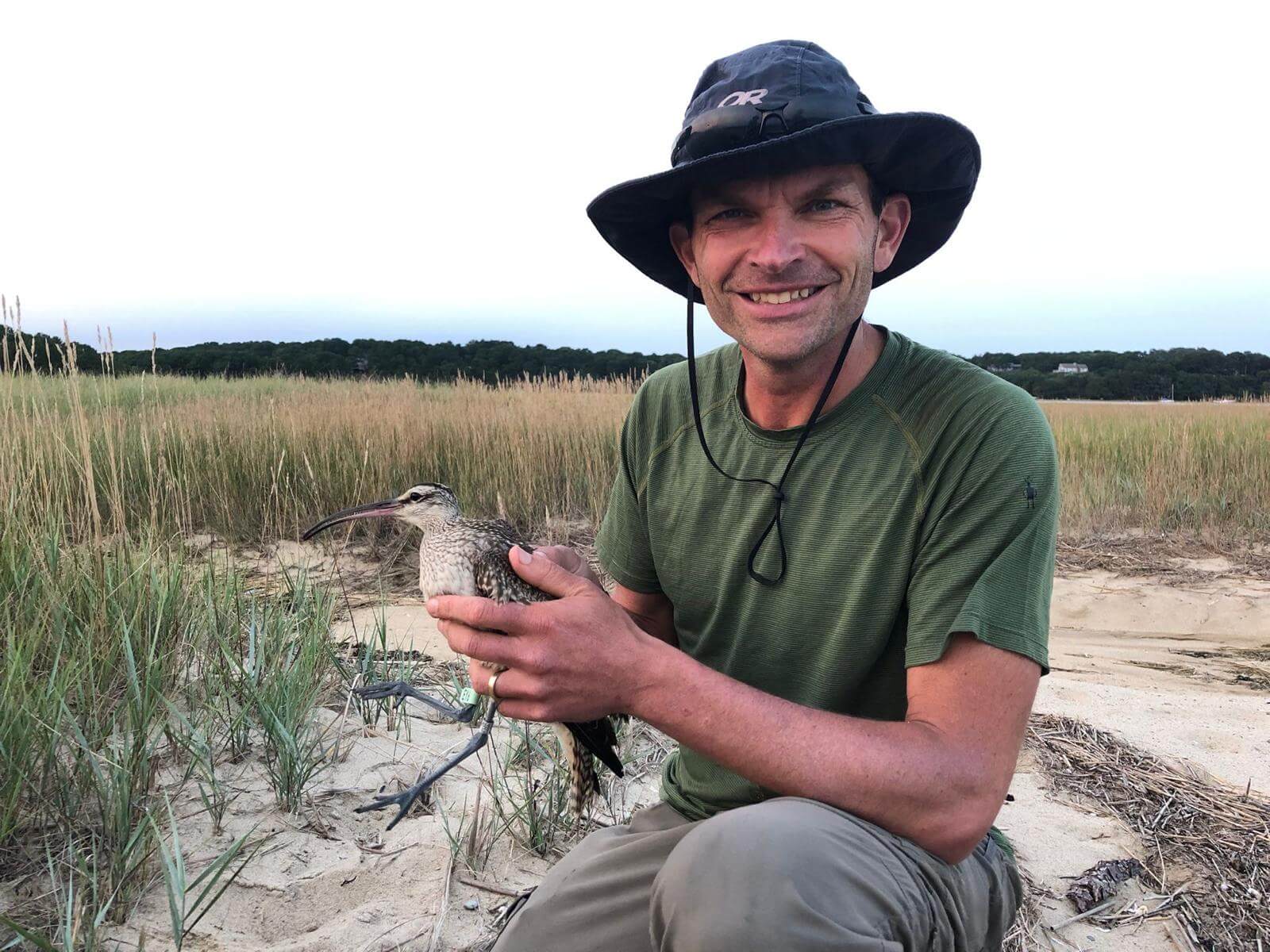
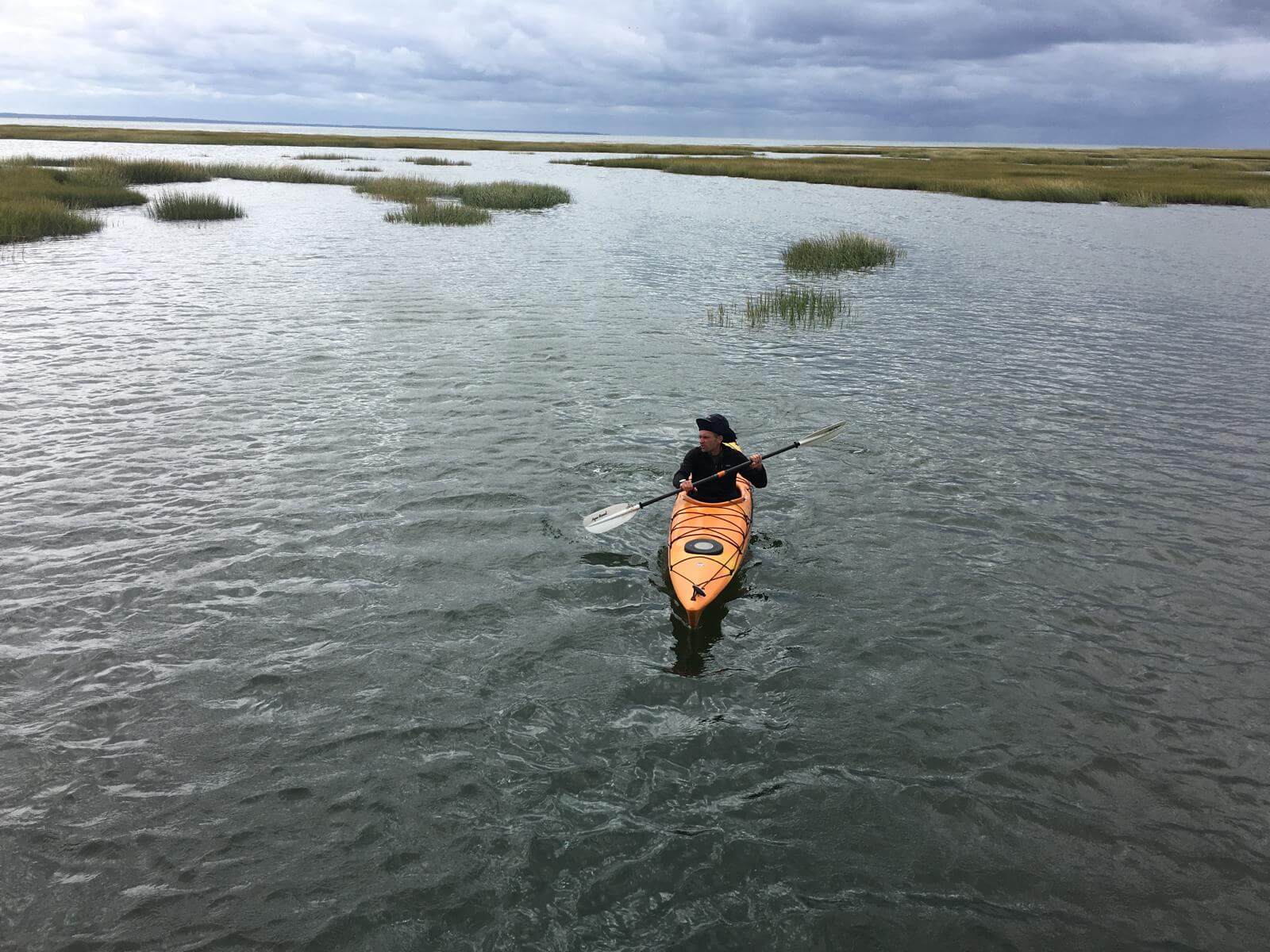
Working with Whimbrels in Cape Cod. Photos: Brad Winn
Even outside of conservation, he gave generously. Shiloh served on the Select Board in his hometown of Northwood, New Hampshire, where he approached community service with the same humility, care, and commitment that shaped his fieldwork.
Within the WHSRN family, Shiloh’s loss is deeply felt—but his spirit endures in the network he helped strengthen. We remember his wide smile as he held a newly banded bird, his patience in hearing a local fisher’s concern, and his unyielding optimism that a small group of committed people can make a difference. Shiloh leaves behind a community connected from Alaska to Tierra del Fuego that is wiser, more compassionate, and more resolute because of his influence.
As we honor his memory, we also commit to continuing the critical conservation work he championed with such integrity and courage.
Farewell and thank you, Shiloh.
Your inspiration lives across the hemisphere.
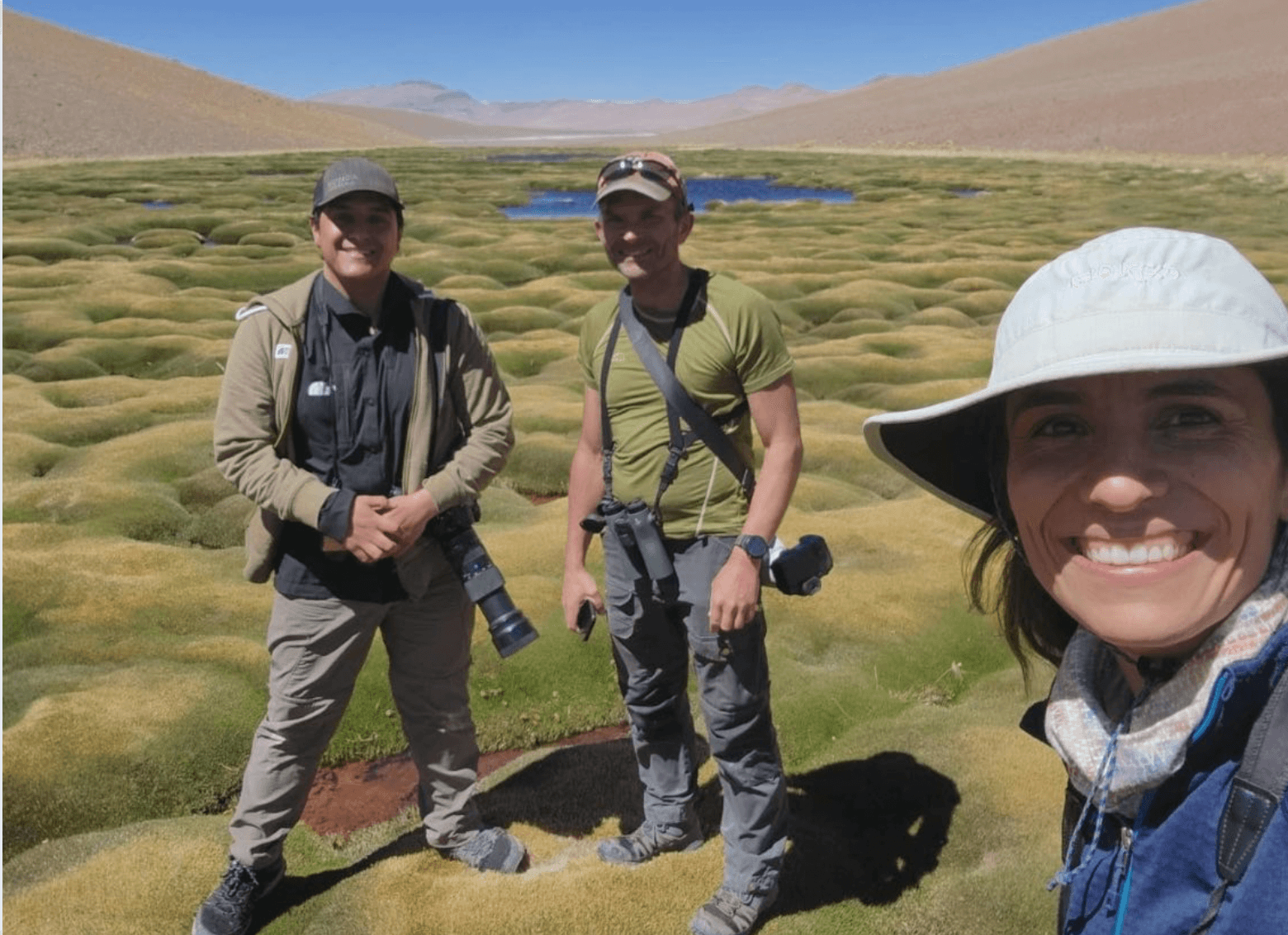
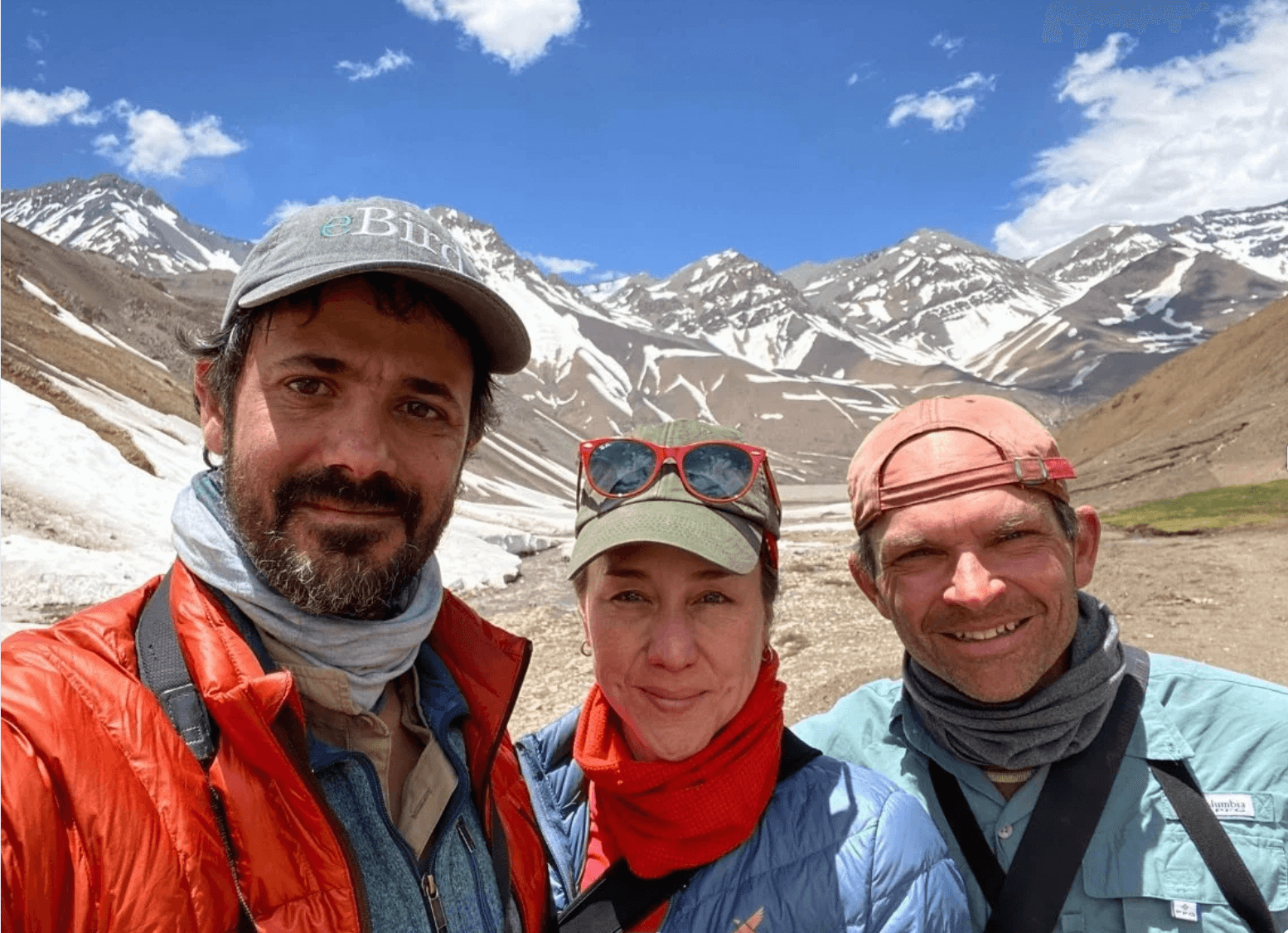
Visiting Chile and looking for elusive shorebirds. Photos: Red de Observadores de Aves y Vida Silvestre de Chile