

Colombia, located at the northern tip of South America, serves as a gateway for millions of birds migrating each year from North America to the tropics and the southern regions of the continent. During their journey, these birds seek suitable conditions such as resting sites, access to food, and environments with low predator presence and minimal threats. Migratory shorebirds are particularly demanding in this regard, as they rely on key stopover sites where they gather in large numbers—sites that are essential for their survival and life cycles.
Recognizing this dynamic, Manomet Conservation Sciences, the Executive Office of the Western Hemisphere Shorebird Reserve Network (WHSRN), together with Colombia’s Ministry of Environment and Sustainable Development (MADS), WWF Colombia, and the Asociación Calidris, held the webinar “Conservation of Migratory Species: Frameworks, Tools, and Case Studies in Shorebirds.”
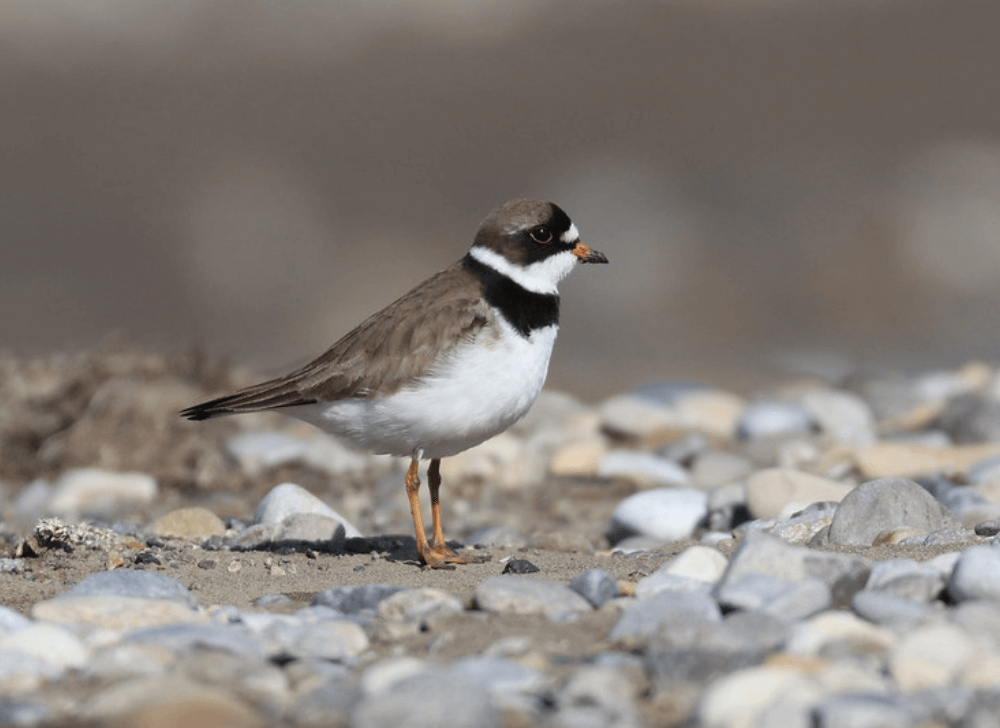
Semipalmated Plover. Photo: Shiloh Schulte
Throughout the session, key topics related to the conservation of migratory birds in Colombia were addressed. Gina Carolina Avella of MADS presented the National Plan for Migratory Species, highlighting its focus on shorebirds. Following this presentation, Saulo Usma of WWF Colombia discussed the List of Migratory Shorebirds that underpins the plan.
In the segment focused specifically on shorebirds, several technical and strategically valuable presentations were shared. Carlos Ruiz of the Asociación Calidris presented “Shorebirds in Colombia”; Jeisson Zamudio of Manomet/WHSRN presented “The Importance of Colombia for Migratory Shorebirds”; and Diana Eusse of Calidris/Point Blue introduced the “Toolbox for Managing Human Disturbance to Shorebirds in Latin America”, developed within the framework of the Migratory Shorebird Project.
The block of presentations concluded with a talk by Diego Luna Quevedo, Policy and Governance Specialist at Manomet/WHSRN, who addressed the topic of “Good Governance for the Conservation and Management of Sites of Importance for Biodiversity.”
Following the presentations, an open discussion was held with participants to identify opportunities (projects, initiatives, management and/or funding) to support shorebird conservation and their habitats in different territories, as well as the necessary partnerships and alliances.
Gina Carolina Avella, Senior Specialist with the Directorate of Forests, Biodiversity and Ecosystem Services at MADS, noted: “This first meeting helped facilitate access to information and exchange among environmental authorities, and allowed us to explore opportunities for implementing conservation actions in the territories.”
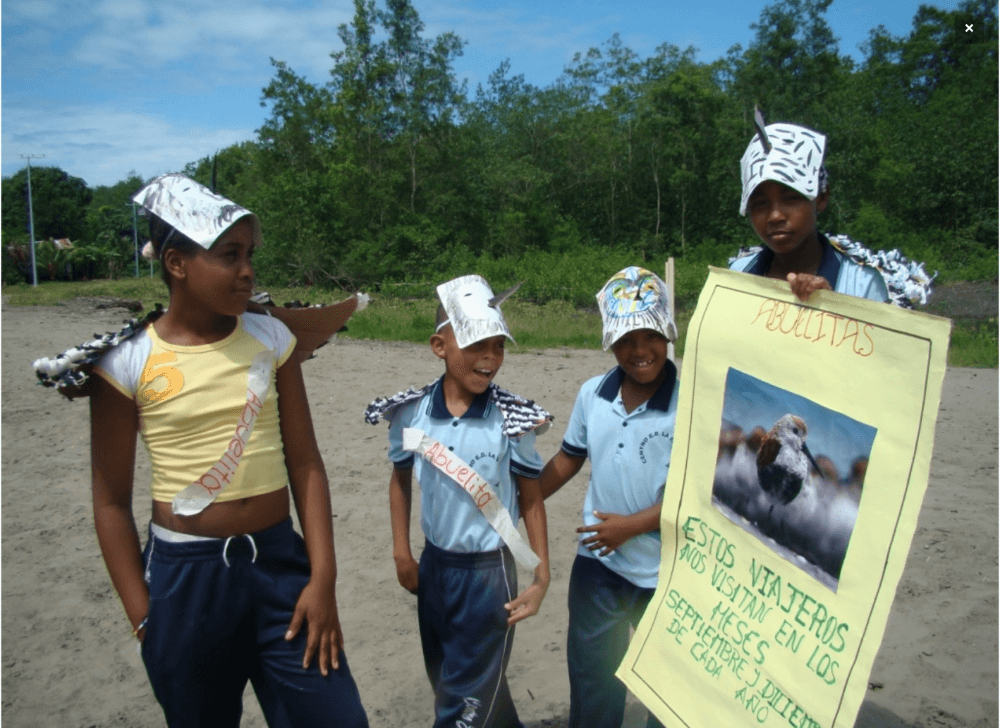
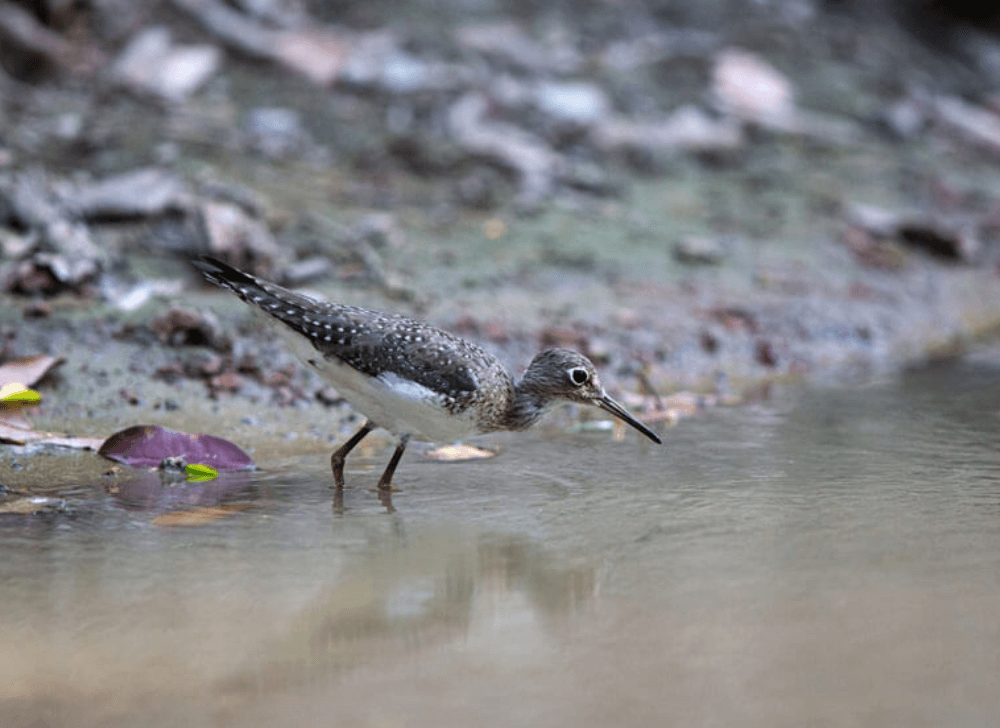
Left: Children from the local school during a Migratory Species Festival activity. Photo: Asociación Calidris. Right: Solitary Sandpiper. Photo: Living Wild in South America.
More than 70 participants attended the webinar from a range of government entities, including the regional environmental authorities (Regional Autonomous Corporations), NGOs, research institutes, and universities. Participants concluded the session with questions for the panelists and shared opportunities and the need to expand knowledge and advance shorebird conservation in Colombia.
This space also highlighted the strong interest of key stakeholders in Colombia and the many opportunities for joint work between Manomet and the Executive Office of WHSRN, in collaboration with government agencies, NGOs, and civil society.
The WHSRN Executive Office will continue to build collaborative spaces with MADS Colombia and to open new channels of engagement with other local authorities and civil society organizations to further support participatory actions for shorebird conservation in Colombia and across the Americas.
For more information about the webinar or National Shorebird Conservation Plans, contact Diego Luna Quevedo