
Salineras
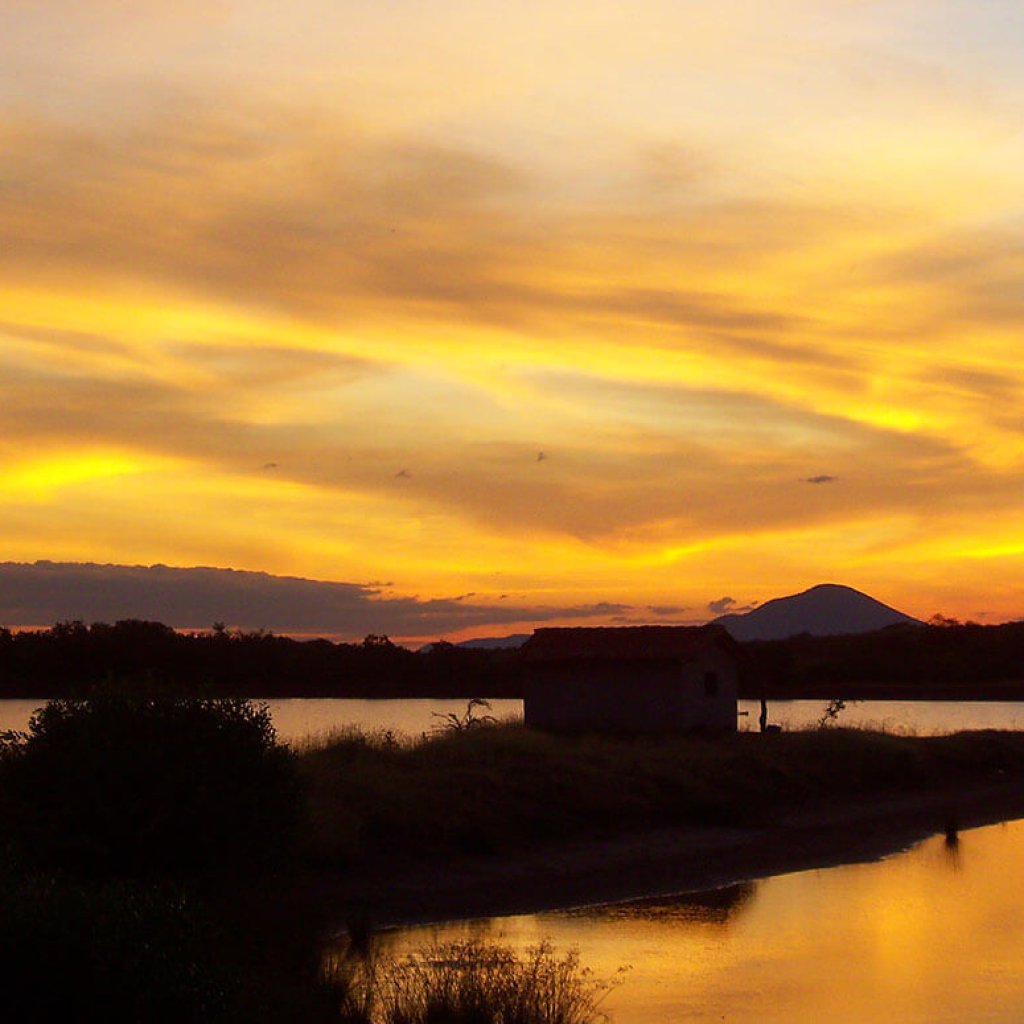
Salt pans (also known as salinas) are sites dedicated to the production of salt through the evaporation of water, primarily seawater. This artisanal or industrial process is used to obtain sodium chloride—commonly known as salt—which has more than 14,000 applications across industries worldwide.
Depending on its origin and extraction process, salt can be classified into three main types: sea salt, rock salt (mined salt), and salt extracted from natural salt flats or saline lakes.
Salt pans can be divided into two broad categories based on their location:
- Coastal salt pans: Located along the seashore or in areas where seawater enters through estuaries or natural channels.
- Inland salt pans: Located further inland, using saline water from underground springs, rivers, lakes, or saline lagoons.
Why Are Salt Pans Important for Shorebirds?
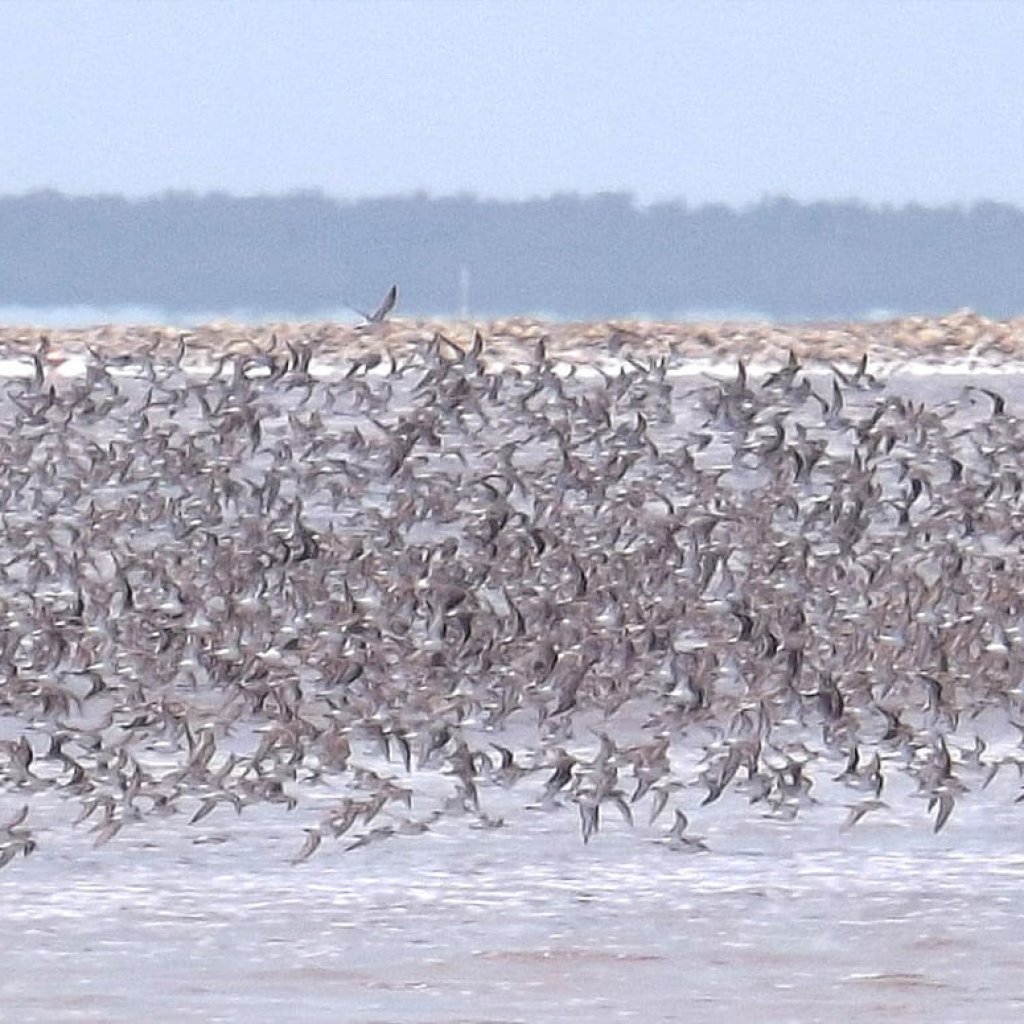
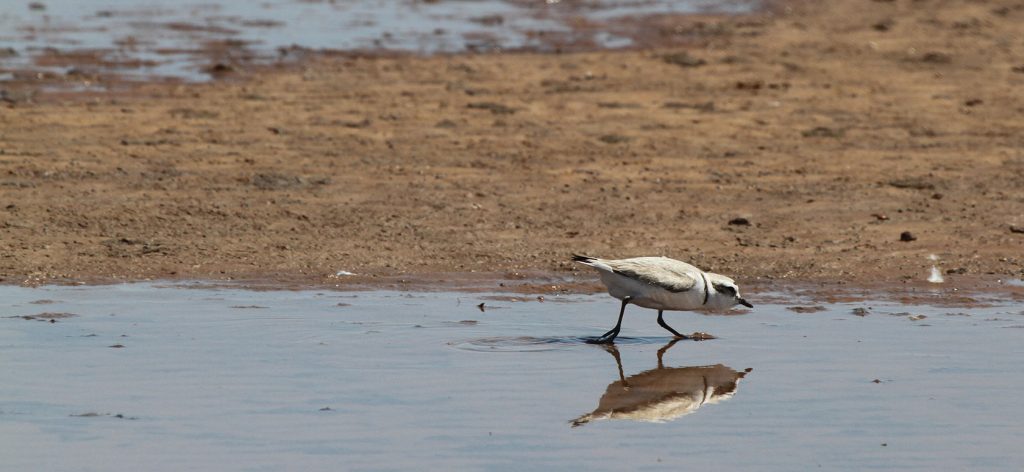
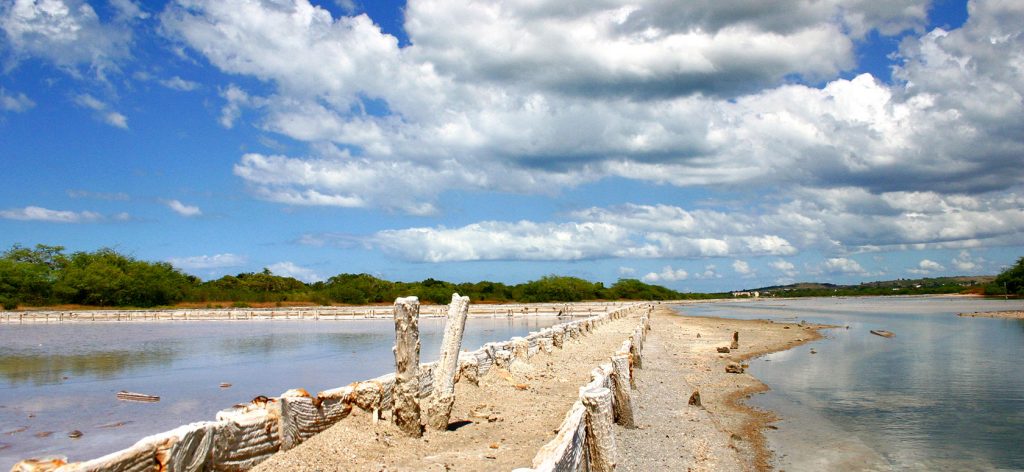
Although salt pans are artificial environments, they have become essential habitats for shorebirds. The ponds or lagoons used during the evaporation process—often referred to as “heating” or concentration ponds—increase in salinity and temperature as the process advances. These conditions promote the proliferation of food resources such as small crustaceans, insects, and other microorganisms that are key components of shorebird diets.
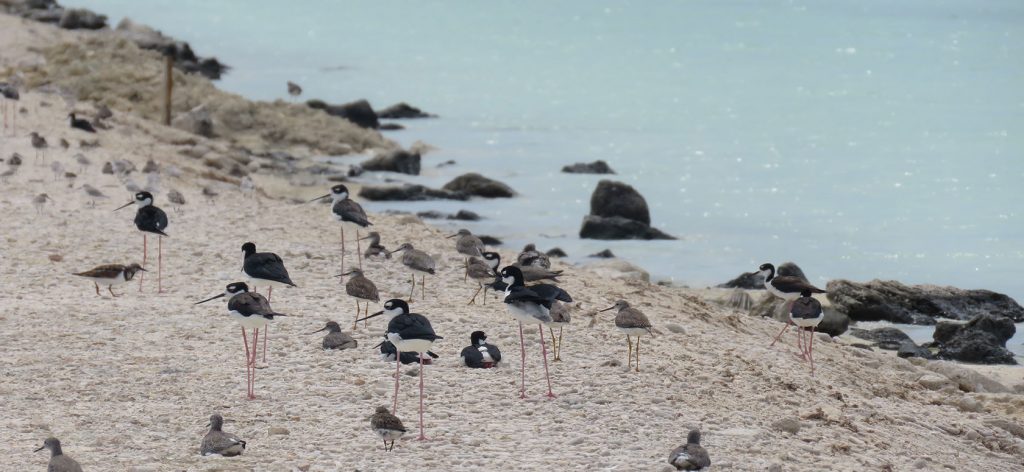
In addition, the berms or levees surrounding these ponds provide safe areas where many species can rest and, in some cases, nest. In this way, salt pans not only contribute to salt production but also play a crucial role in biodiversity conservation by providing refuge and food for migratory and resident birds that depend on these environments. Because salt pans are productive systems that depend directly on natural processes, they are a clear example of how production landscapes can also contribute to conservation.
Best Practices
For salt pans to effectively contribute to shorebird conservation, they must be managed using compatible practices that consider the needs of shorebirds. Proper management can improve habitat availability and quality for these species. Some identified best practices include:
-
Water Management: Due to the salt production process, the continuous movement and intake of seawater help ensure a consistent food supply for shorebirds. During the rainy season, however, some salt pans experience flooding, which can reduce or eliminate areas used by birds for resting. Water management should aim to maintain water depths similar to productive seasons and, during periods of lower productivity, prevent ponds from completely drying out.
-
Identification and Monitoring of Key Bird Areas: By identifying areas most frequently used by birds and monitoring their habits, managers can limit access by people and vehicles in those zones without affecting salt production. Monitoring also helps track which species use the salt pans throughout the year.
-
Signage for Bird Use Areas: Clearly marking nesting, feeding, and resting areas helps protect nests and minimize disturbance, especially for chicks.
-
Environmental Education: Engaging local communities through educational visits to salt pans helps raise awareness about salt production and its importance for the conservation of marine-coastal ecosystems and the species that depend on them.
WHSRN / RHRAP Sites with This Ecosystem
Focal Species
-
Black-necked Stilt (Himantopus mexicanus)
-
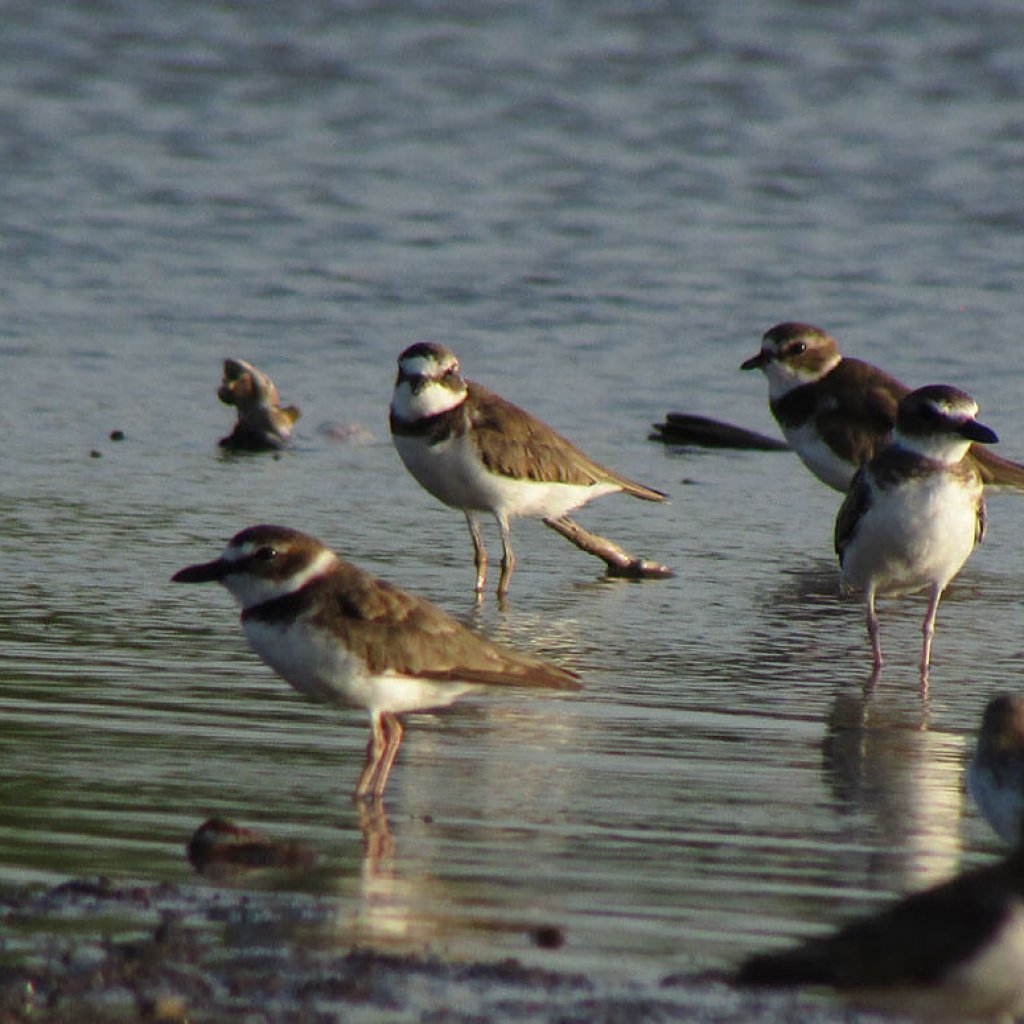
Wilson’s Plover (Charadrius wilsonia)
-
Whimbrel (Numenius phaeopus)
-
Wilson’s Phalarope (Phalaropus tricolor)
-
Buff-breasted Sandpiper (Calidris subruficollis)
-
Least Sandpiper (Calidris minutilla)
-
Snowy Plover (Charadrius nivosus)
-
Greater Yellowlegs (Tringa melanoleuca)
-
Lesser Yellowlegs (Tringa flavipes)
-
Willet (Tringa semipalmata)
-
Semipalmated Sandpiper (Calidris pusilla)
For more information and support regarding salt pans and shorebird conservation, please contact Julia Salazar.
Latest news about Salt Pans in the Network:
Page photos: Julia María Salazar.