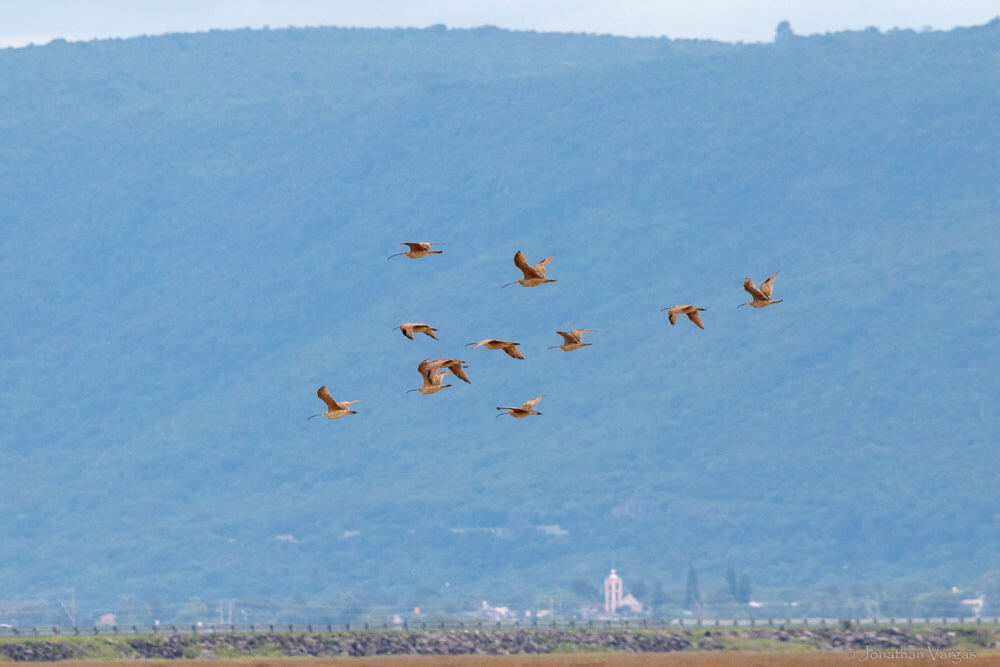

Lago de Cuitzeo
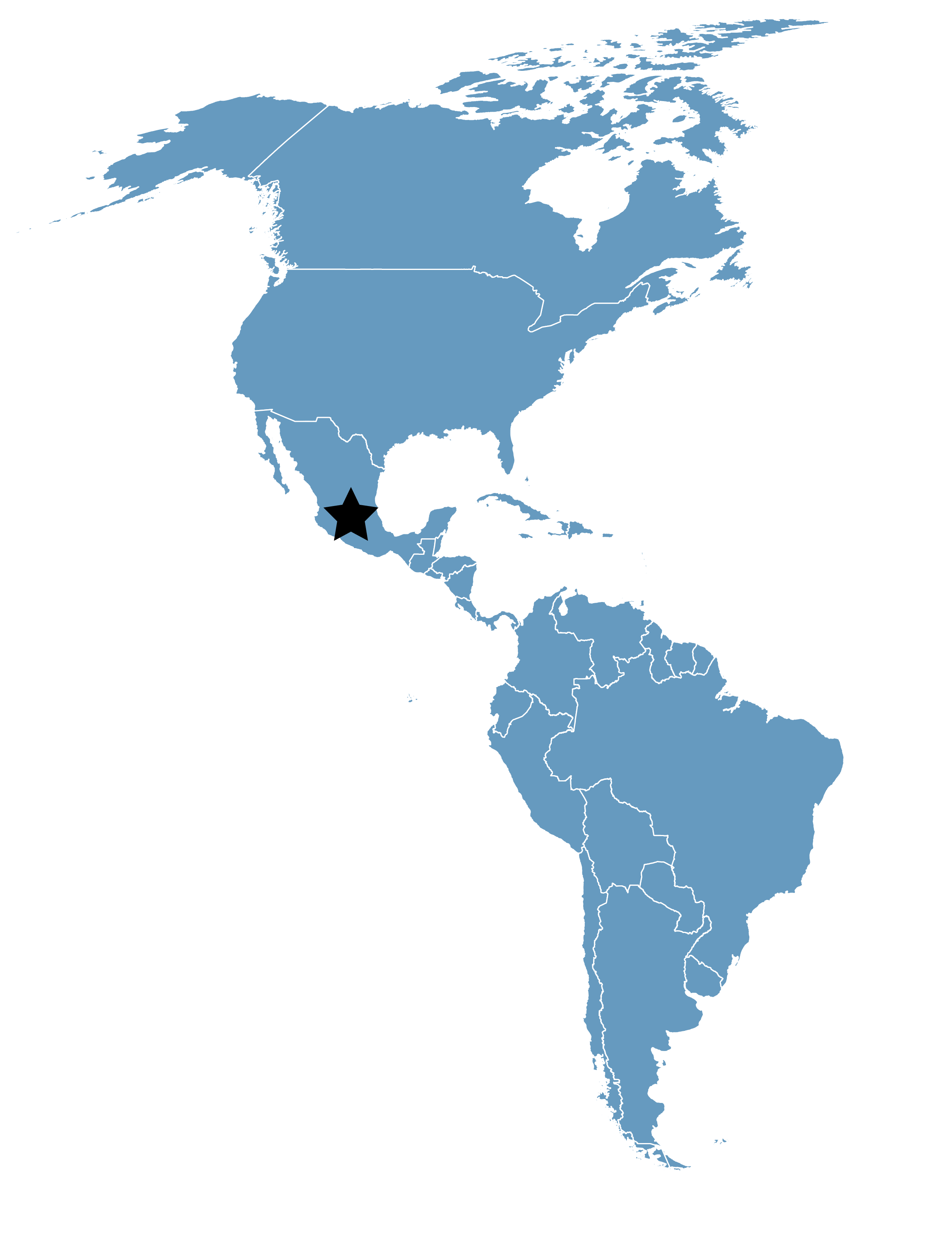
Location
Michoacán, Mexico
Category
Regional
Basis for Designation
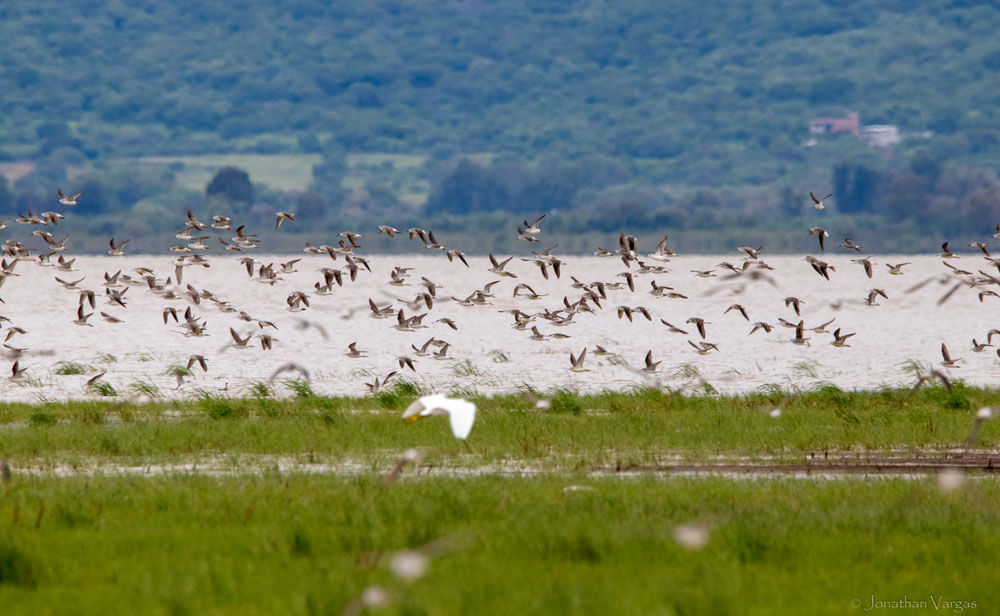
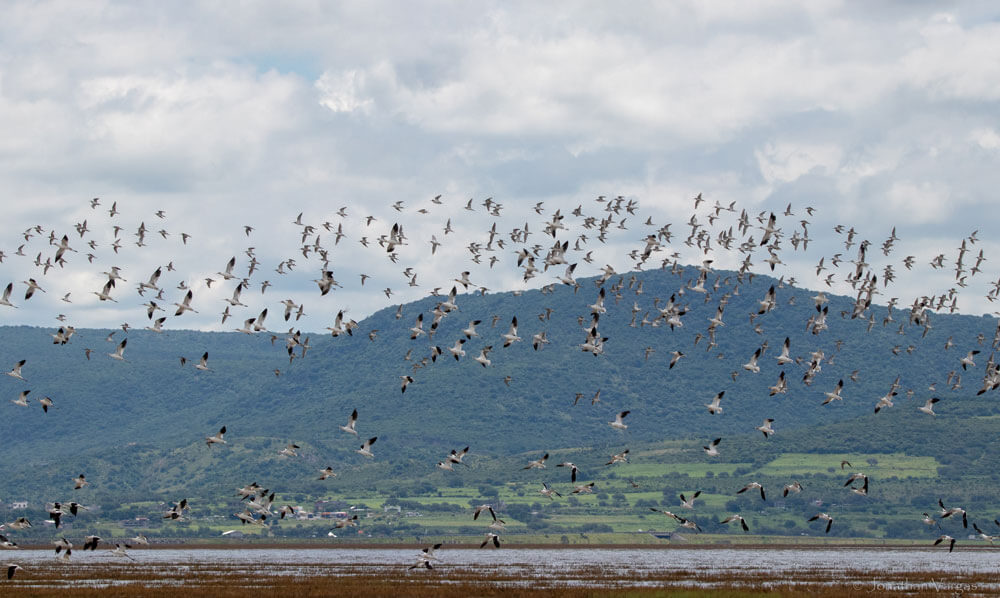
More than 20,000 shorebirds annually and 1.5% of the total population of Black-necked Stilt (Himantopus mexicanus).
Size
44,000 hectares (108,726 acres)
Date Designated
February 2010
Site Owner
Ejidos Epifanio C. Pérez of Cuitzeo and Las Trojes del Municipio of Álvaro Obregón, both in the state of Michoacán
Overview
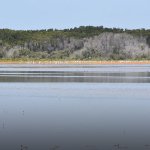
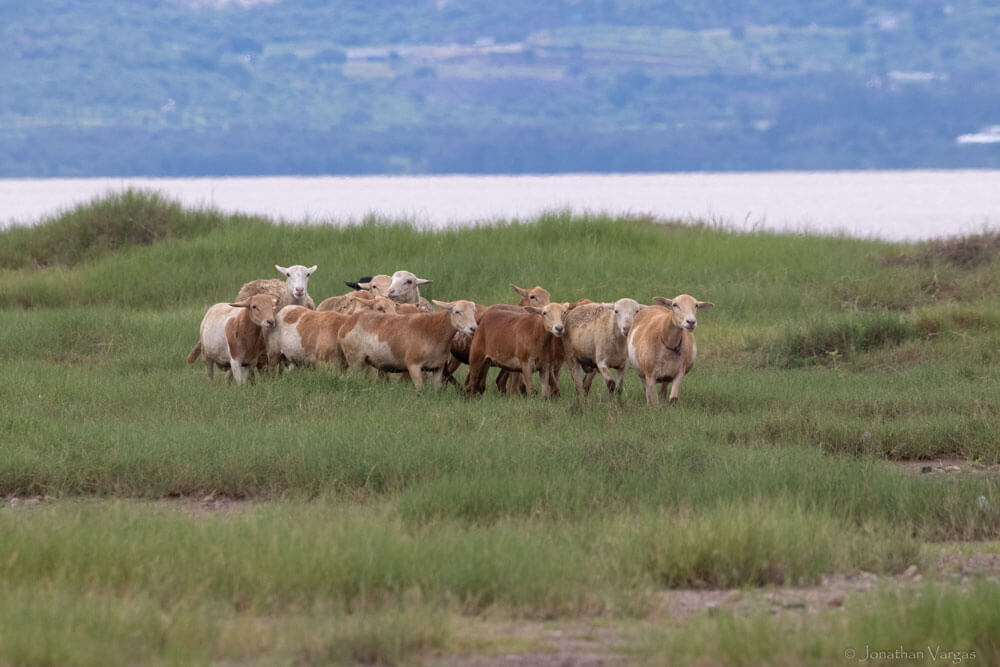
The 44,000-hectare (109,000-acre) Lago de Cuitzeo is located in central Mexico, mostly in the State of Michoacán but also in the adjacent State of Guanajuato. The Lake Cuitzeo is one of the most important inland wetlands in Mexico and a key site for shorebird conservation in the country. This ecosystem supports a wide diversity of habitats —saltgrass meadows, tropical dry forest, agroecosystems, and aquatic and subaquatic vegetation— and harbors endemic and threatened species of flora and fauna. Beyond its ecological value, the lake benefits more than one million people in 26 municipalities, where cultural and ecotourism initiatives generate local income through gastronomy, handicrafts, and services.
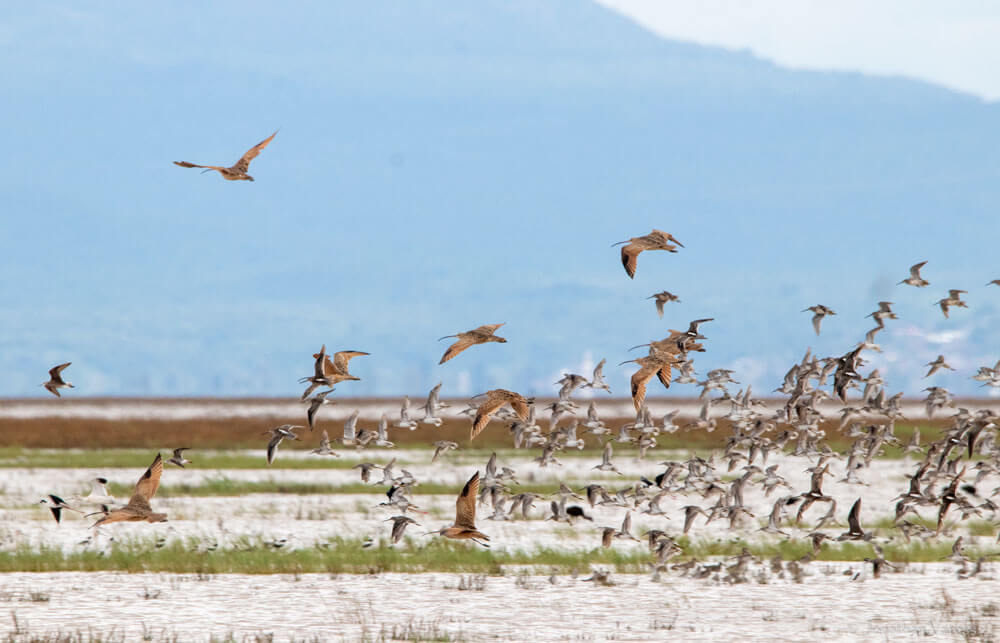
Photo: Jonathan Vargas
Birds and Other Wildlife
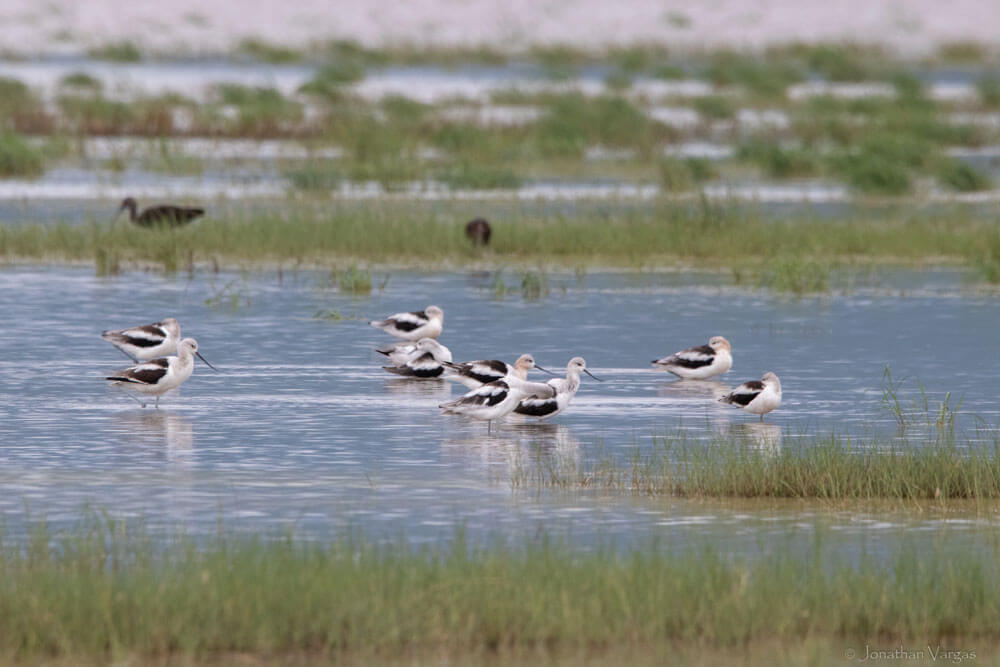
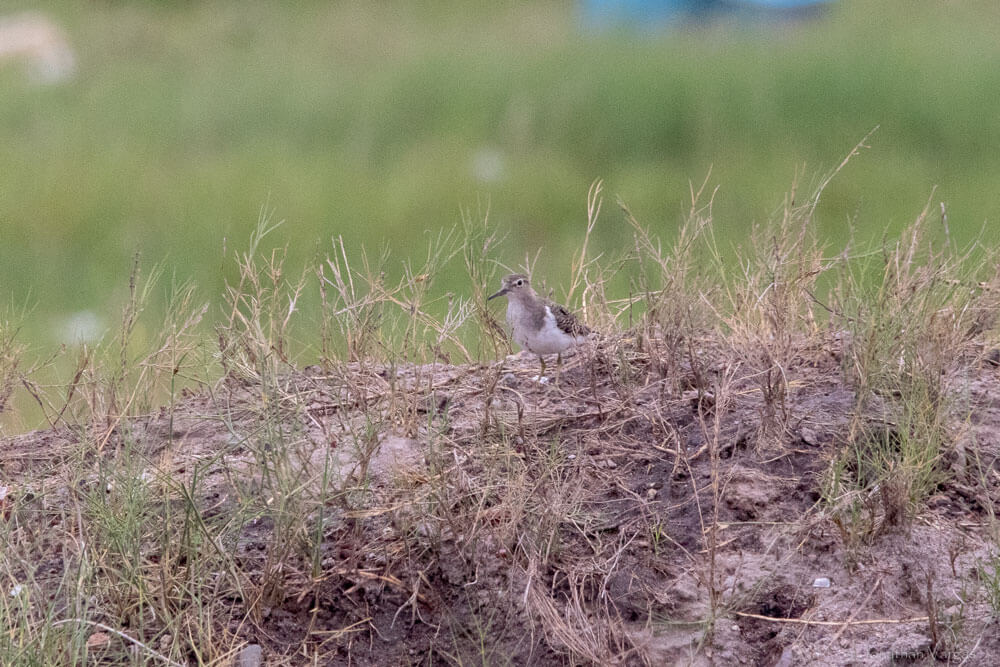
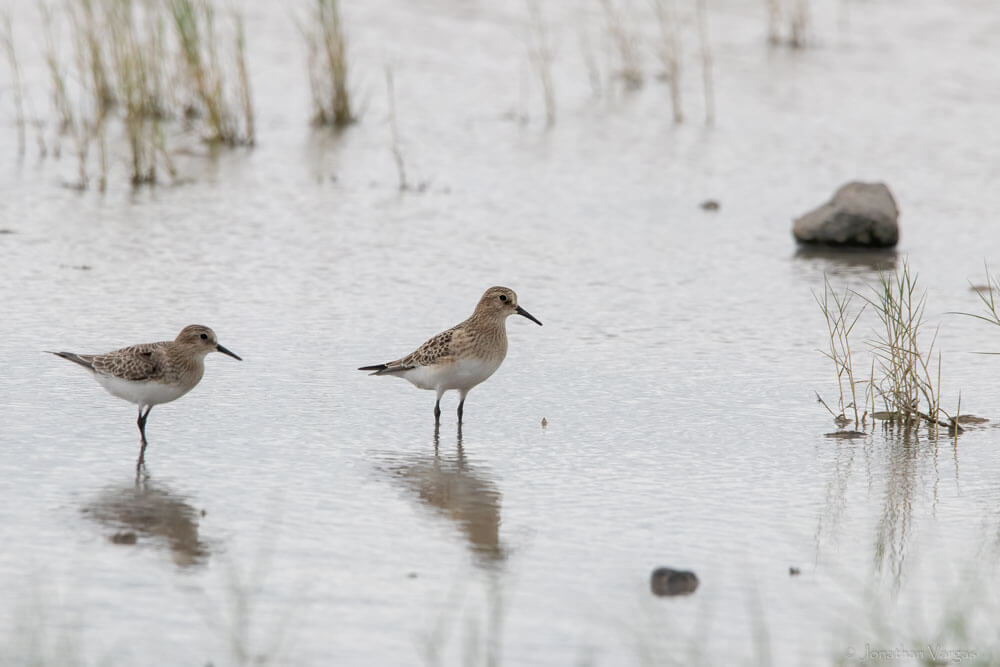
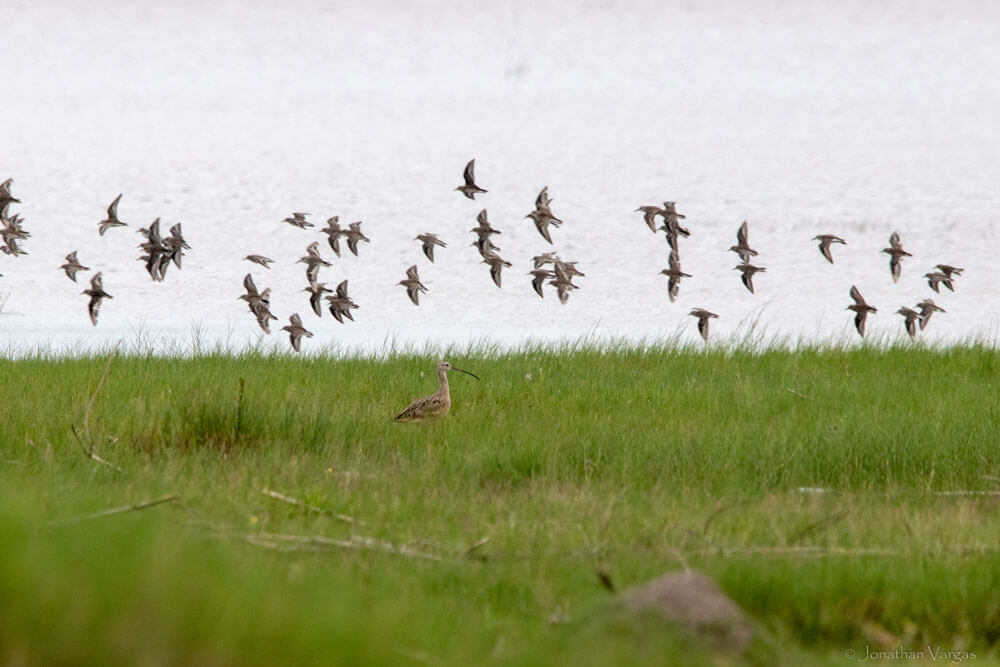
Lake Cuitzeo hosts significant populations of migratory shorebirds such as Baird’s Sandpiper (Calidris bairdii), Stilt Sandpiper (Calidris himantopus), and Wilson’s Phalarope (Phalaropus tricolor), as well as breeding species like the American Avocet (Recurvirostra americana), Black-necked Stilt (Himantopus mexicanus), Killdeer (Charadrius vociferus), and Snowy Plover (Anarhynchus nivosus). During peak seasons, the lake supports up to 135,000 waterbirds, including 20 species listed under Mexico’s NOM-059-2010 risk categories, among them the Black-capped Vireo (Vireo atricapilla) and the Lerma Rail (Rallus tenuirostris).
The site is also home to emblematic species such as the Lake Cuitzeo Salamander (Ambystoma amblycephalum), the Michoacán Axolotl (Ambystoma ordinarium), and the endemic Zapote Prieto tree (Diospyros xolocotzii), in addition to 67 mammal species recorded in the watershed.
Conservation and Threats
In recent years, conservation actions have included the rehabilitation of wastewater treatment plants, installation of biodigesters, and environmental education programs, framed within a Comprehensive Management Plan led by DUMAC and local partners. However, the site faces serious threats such as land-use change for agriculture, livestock, and urbanization; water pollution from sewage, pesticides, and fertilizers; overexploitation and desiccation of the lake; invasive species; and habitat fragmentation caused by road infrastructure.
To address these challenges, partners are working toward establishing a systematic shorebird monitoring program and building alliances to secure the long-term protection of this strategic wetland.

Local Community and Education
Conservation of Lake Cuitzeo is closely tied to the well-being of local communities. Thirteen municipalities in the watershed actively participate in management and sustainable use programs, while community-based initiatives have strengthened environmental awareness, such as the Urban Birds Program of Lake Cuitzeo, migratory bird counts, and the first Christmas Bird Count in 2025.
The joint efforts of DUMAC, University of Guadalajara, Michoacán State University (UMSNH), CONANP, CONABIO, PAU Cuitzeo, Pajareando y Conservando, the Coastal Solutions Program, and local authorities are laying the foundation for an integrated and participatory management of the lake.